


By Mehmet Enes Beşer
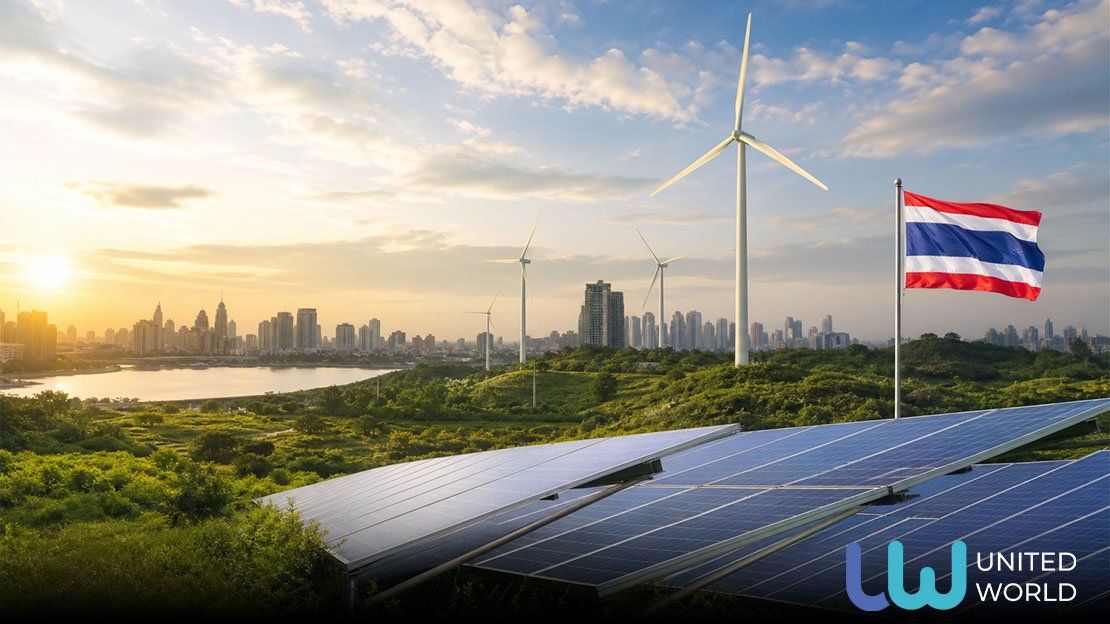
Thailand is at a point where its energy sector faces numerous challenges and opportunities in terms of energy development. Being Southeast Asia’s most industrialized nation and one of its energy-intensive economies, it is now facing the necessity to overhaul its energy sector into something sustainable and efficient. Indeed, during the last couple of decades, Thailand became known for its strong commitment towards renewable energy development. Its current policies are evidence of that. At the same time, there are still many difficulties related to the transition of potential capabilities into actual use, especially when it comes to conversion and utilization.
The roots of the renewable energy policy of Thailand lie in the recognition of the problem with its dependence on external energy supplies. As a nation having few natural energy deposits, Thailand imports over 60 percent of its energy needs. Therefore, the energy sector faces numerous issues linked to market conditions. Thus, to increase independence and sustainability of the country’s energy sector, the policy was implemented. The Alternative Energy Development Plan (AEDP) is considered to be the basis of the renewable energy policy in Thailand. It aims to provide a share of renewables as big as 30 percent of the total energy demand of the nation in 2037. However, in order to do that, in addition to increased capacity, Thailand should pay attention to improvements in energy conversion and utilization.
In this case, solar energy is the main component of Thailand’s renewable energy. Due to a high level of solar radiation throughout the year, Thailand can be viewed as having huge technical potential in this regard. Moreover, several policies were aimed specifically at increasing solar PV energy conversion and utilization. Initially, the shift towards feed-in tariffs and introduction of adder programs were used to stimulate the growth of the solar sector. More recently, however, there is an evident trend towards competitive tendering for utility-scale solar power plants. As a result, the amount of solar PV installed has reached over 3 GW in just a few years. However, its full utilization is not fully achieved due to several problems. First, there are lots of residential and commercial buildings that are either offline or have not been connected to the energy network due to various bureaucratic reasons. Second, time-related mismatch and limited storage capabilities hinder solar energy conversion and utilization.
As far as wind development in Thailand is concerned, it has faced certain limitations related to the geographical peculiarities of the country. However, there are regions in the northeast and southern coast, like Chaiyaphum, Nakhon Ratchasima, and Songkhla that have high enough wind speeds for building wind farms. Furthermore, due to technological progress and decrease in costs, the cost-effectiveness of wind conversion technologies has increased significantly. Thus, more than 1.5 GW have been installed so far. Diurnal and seasonal changes in wind generation in some regions match energy consumption patterns better than the patterns typical for solar generation, which could lead to higher efficiency if properly handled. However, there are also certain problems related to clustering and inadequate transmission capacity.
Biomass and biogas energy conversion is an integral part of Thailand’s policy regarding renewable energy. As a rural nation whose economy includes large amounts of rice, sugarcane, cassava, and palm oil production, Thailand has a high potential in agricultural residue utilization. Currently, it uses these residues as a fuel source to provide electricity to industry facilities and grid facilities. Other types of waste such as livestock dung, wastewater from food processing, and biogas have been utilized lately. Besides, the bio-circular-green economy concept has stimulated investments into biomass power plants. However, there are certain issues, namely the lack of fuel sources, difficulties with grid integration, and emissions control systems, that affect the viability of small-scale energy conversion plants.
There have been no newly constructed hydropower plants in Thailand in the recent period, because most of its economically viable large-scale facilities have already been built. Environmental and social issues, including the problems associated with displacement and habitat destruction, have also affected the hydropower sector development. Meanwhile, mini-hydro facilities have emerged and continue to emerge as parts of decentralized energy plans, particularly in northern rural regions.
Geothermal energy has not been widely developed so far due to the scarcity of hot water resources. Low-enthalpy geothermal research, including its use for district heating purposes and agricultural product processing, is starting to emerge.
As far as applications of renewable energy other than generating electricity are concerned, Thailand has advanced in using renewable energy for transportation and heating. Specifically, biofuel ethanol and biodiesel have been widely produced and consumed in Thailand. These are mixed with regular fuels according to mandatory quotas. Such a policy helps diversify rural income and energy sources. However, it is also associated with land use changes and land use competition. Recent policy proposals focus on development of EV charging infrastructure and second-generation biofuels. The target here is to provide 30 percent of vehicles with electricity in 2030. This change, in turn, will create additional burdens on the energy sector and its capacity.
Energy storage, digitalization of the energy sector, and its flexibility are important to ensure efficient utilization of renewable energy sources. So far, Thailand has started to introduce energy storage systems but not at a wide scale. Smart meters and real-time energy management systems, as well as demand response programs, are slowly being implemented, too. In addition, EGAT recognizes the need for grid modernization to ensure the effective utilization of renewables and has launched pilots to introduce AI-driven load forecast and microgrids.
Thus, the development of renewable energy in Thailand depends on many interconnected elements, including market, policy, and technologies. While some steps have already been taken, Thailand faces the problem of moving from small-scale incremental development to maximization of energy conversion and utilization.