


By Mohammad Reza Moradi, General Director of Mehr News Agency’s Foreign Languages and International News Department, from Tehran / Iran The war involving Iran has entered a sensitive phase as its military developments coincide with two important electoral calendars in Israel and the United States. From this perspective, the war is no longer merely a military confrontation or a foreign ...

Israel bombed the Abu al-Duhur airbase in the Idlib countryside of northwestern Syria on August 18, just 70 kilometers from Türkiye, citing the presence of Turkish troops as justification. On August 19, telling an army radio podcast, Netanyahu said that Israel had initially sent a message “in general terms” against a Turkish military presence at an airfield near Aleppo. “Apparently ...
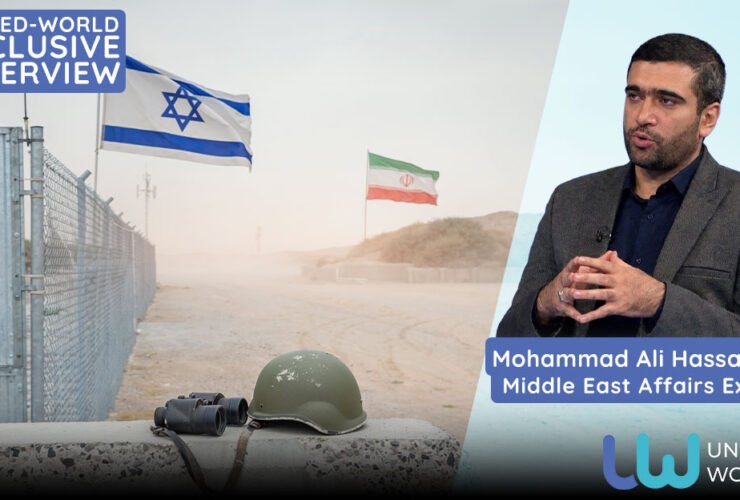
By Azar Mahdavan, from Tehran, Iran Following the full-scale confrontation between Iran and Israel, the relative silence from Tel Aviv toward Tehran has become one of the most significant ambiguities in regional equations. Even during the military clashes between Iran and the United States in July—which occurred in the wake of the “Forty-Day War”—the Israeli government chose not to directly ...

The forty-day war that the United States launched against Iran on February 28, regardless of whether it reignites in the near future, has ushered in a new era in the regional security architecture of West Asia. The principal facts demonstrated by the recent war were, first, that Iran is not a country that can easily be eliminated or absorbed. Over ...
By Adem Kılıç, Political Scientist It is now impossible to define the current state of the U.S.-Iran conflict as, in the classical sense, “a war between Iran and the U.S.” The geography of the war has expanded from the Strait of Hormuz to Bab el-Mandeb, from the Red Sea to the Eastern Mediterranean following the attacks in Egypt, and finally ...
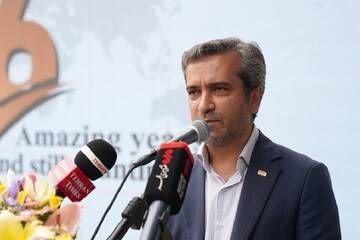
By Azar Mahdavan, from Tehran / Iran Following the two recent wars imposed on Iran and Washington’s latest breach of commitment by withdrawing from the “Islamabad Understanding,” Iranian public opinion on negotiations has become more closely tied than ever to questions of trust, security and national interests. In an interview with Mohammad Sarfi, editor-in-chief of the Tehran Times, we examined ...
No permanent agreement can be reached between West and East… War continues in Eurasia. The conflict between Russia and the West in Ukraine is intensifying. The purported understanding reached between Trump and Putin at their August 2025 meeting in Alaska turned out to be nothing but a scrap of paper. There is talk of the possibility of Russia’s military operation ...
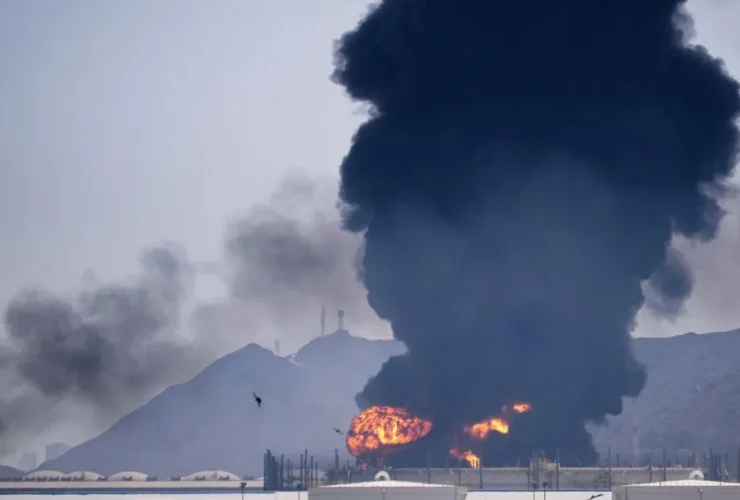
By Adem Kılıç, Political Scientist The initial justification for the war launched by Israel and the U.S. against Iran was Iran’s nuclear program, its uranium enrichment capacity, and the goal of limiting Iran’s strategic deterrence. However, at this stage, the issues determining the war’s fate are no longer these; the focus has shifted to who will establish hegemony over the ...
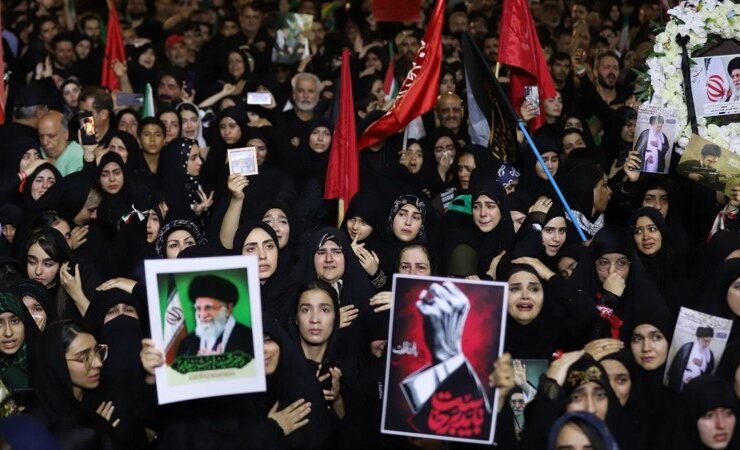
By Mustafa Ilker Yücel, from Tehran / Iran For Iran’s martyred leader Ali Khamenei and members of his family, who lost their lives in the US and Israeli attacks, the funeral prayer was held on July 5 at the Imam Khomeini Mosalla Mosque in Tehran. After the religious ceremony at the Imam Khomeini Mosalla Mosque was completed, another official farewell ...
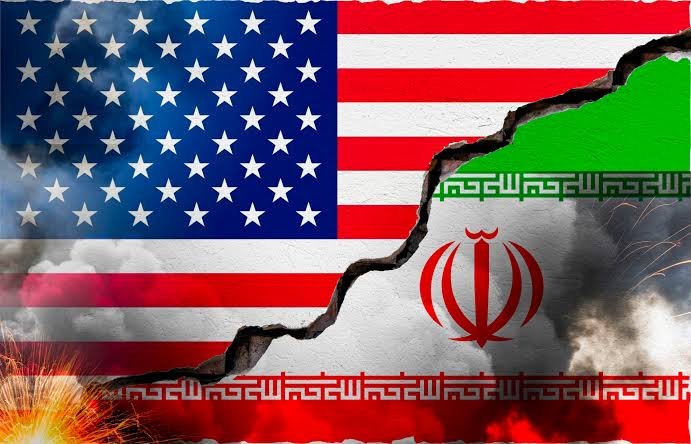
By Mohammad Reza Moradi, General Director of Mehr News Agency’s Foreign Languages and International News Department, from Tehran / Iran Following the end of the forty-day war between Iran, the United States, and Israel, many believed that the region was entering a new phase in which diplomacy would replace military confrontation. Several months after the ceasefire took effect, Tehran and ...