


On the two countries’ very differing approaches. By Islam Farag, Cairo / Egypt Last week, the 16th BRICS Summit was held in Kazan, Russia, with the participation of five new members: Saudi Arabia, the UAE, Egypt, Iran, and Ethiopia. Among the five new members, there are two Gulf states, but their approaches to the organization are different. The leaders of ...
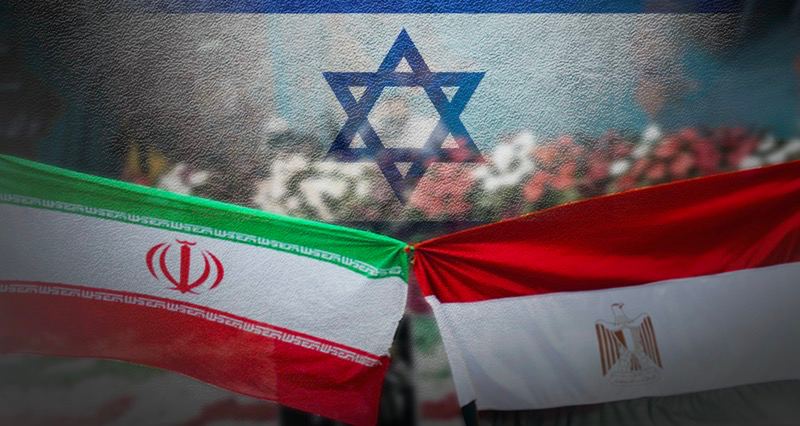
Reporting from Cairo, Egypt Ending the Israeli war on the Gaza Strip, which has been going on for months, is no longer a bilateral issue that can be ended by settling the concerns of both parties, each vis-à-vis the other. The war has turned into a complex and intertwined issue, with international and regional parties seeking to seize more gains ...
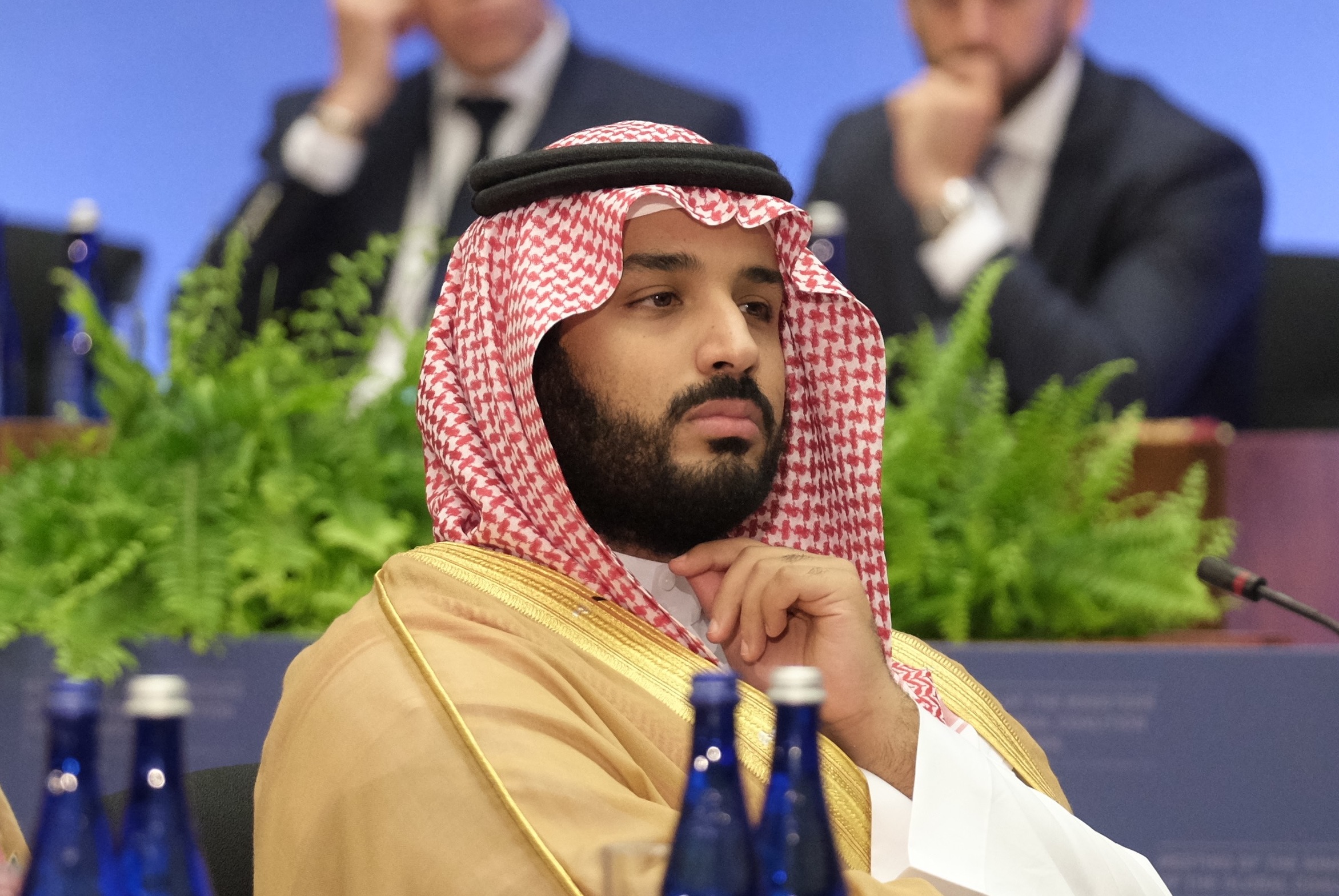
News circulating on social media says that an assassination attempt targeted Saudi Crown Prince Mohammed bin Salman. As proof, media presents a video of burning cars on the streets of Riyadh. Others investigated that these images are footage of a car accident from 16 March this year. “The US really wants bin Salman gone” United World International asked Abbas Djuma, ...

Hamas has accepted a ceasefire deal proposed by Egypt and Qatar. But Israel says, it will continue to operate in Gaza despite Hamas’ response to the deal. So, the drama will go on for some times. It is a very sad saga, because an official familiar with Israeli thinking says Israeli officials are examining the cease-fire proposal approved by Hamas. ...

By Dr. Yang Chen * From December 7 to 10, 2022, Chinese President Xi Jinping attended the first China-Arab States Summit, the first China-GCC Summit, and also paid a state visit to Saudi Arabia. This is the first trip of Chinese heads of state to the Middle East after the 20th National Congress of the Communist Party of China. President ...

Over the past few weeks, the Arabian Gulf has been at the center of global attention with more than one event and more than one issue. Regardless of the nature of the event or the issue that brought it under the spotlight, this intense media interest in it only says that the Gulf countries have become an important cog in ...
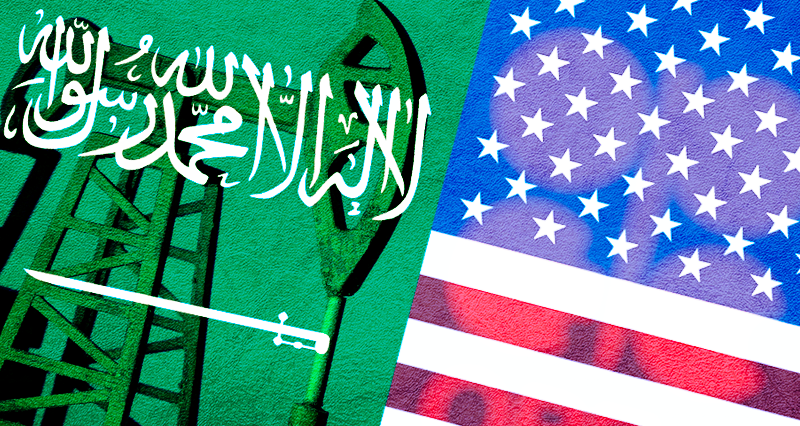
Apparently, Arab Gulf states have come to the conclusion that their main alliance with the United States no longer serves their economic and security interests. The Arab stance in general, and the Gulf in particular, regarding the condemnation of the Russian war on Ukraine was indecisive. It did not appear in statements issued by the Gulf capitals only, but was ...
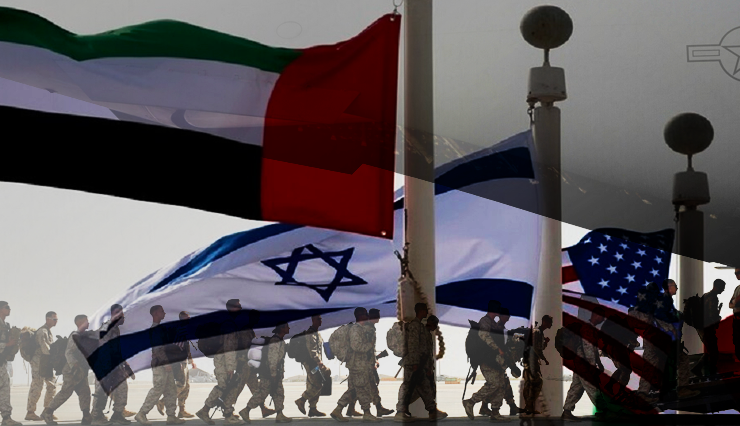
The Middle East is undergoing a new experience of regional diplomatic dynamism. Various meetings have taken place between the Arabic countries with Iran and Turkey. There have been significant negotiations between Iraqi and Syrian officials and other countries. All these regional movements seem to promise the beginning of a new chapter in Middle East regional relations which can lead to ...

United World International expert Fabrizio Verde has given an interview to the Iranian newspaper Tehran Times, discussing regional issues and the position of imperialism. The original interview can be read here. UWI documents below the interview as published by Tehran Times. The director of the online newspaper l’AntiDiplomatico says that regional models of dialogue are more effective. “I say that ...
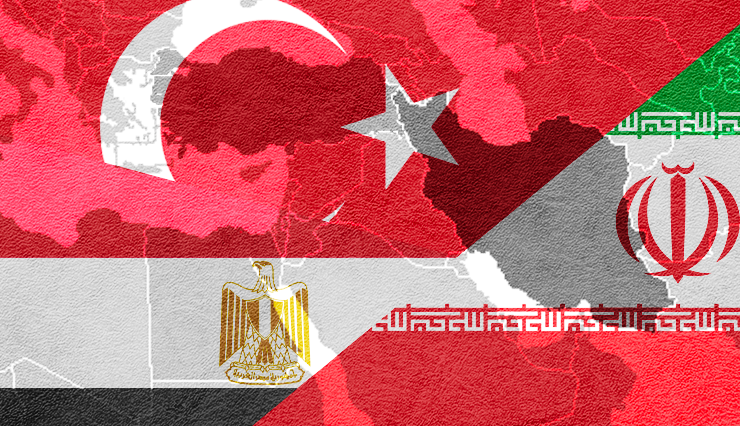
United World Internation expert Onur Sinan Güzaltan searched the answer of the question above in an article he has written for the Iranian Council for Defending the Truth. Below we document Güzaltan’s article as published. As new alliances are being born all over the world as a result of the already-existing decline of the United States, the centuries-old disputes between ...