


By Adem Kılıç, Political Scientist
Türkiye has risen to become one of the most influential actors in the globally reshaping geopolitical order, particularly in recent times—both through its success in its strategy to eradicate the scourge of terrorism, which the West has inflicted upon it for half a century, and through its role in the evolving global geopolitical landscape.
As the Ukraine-Russia war enters its fifth year, Türkiye—with its effective and neutral foreign policy—has emerged as a country that, despite being expected to be one of the nations most severely affected by the conflict, has emerged as a country that has turned the crisis into an opportunity. Despite the deepening of security crises centered on Iran, Türkiye has successfully maintained its balancing policy and stands out as one of the few countries that has taken a firm stance on the humanitarian crisis in Gaza on the global stage, including at the UN and the ICC.
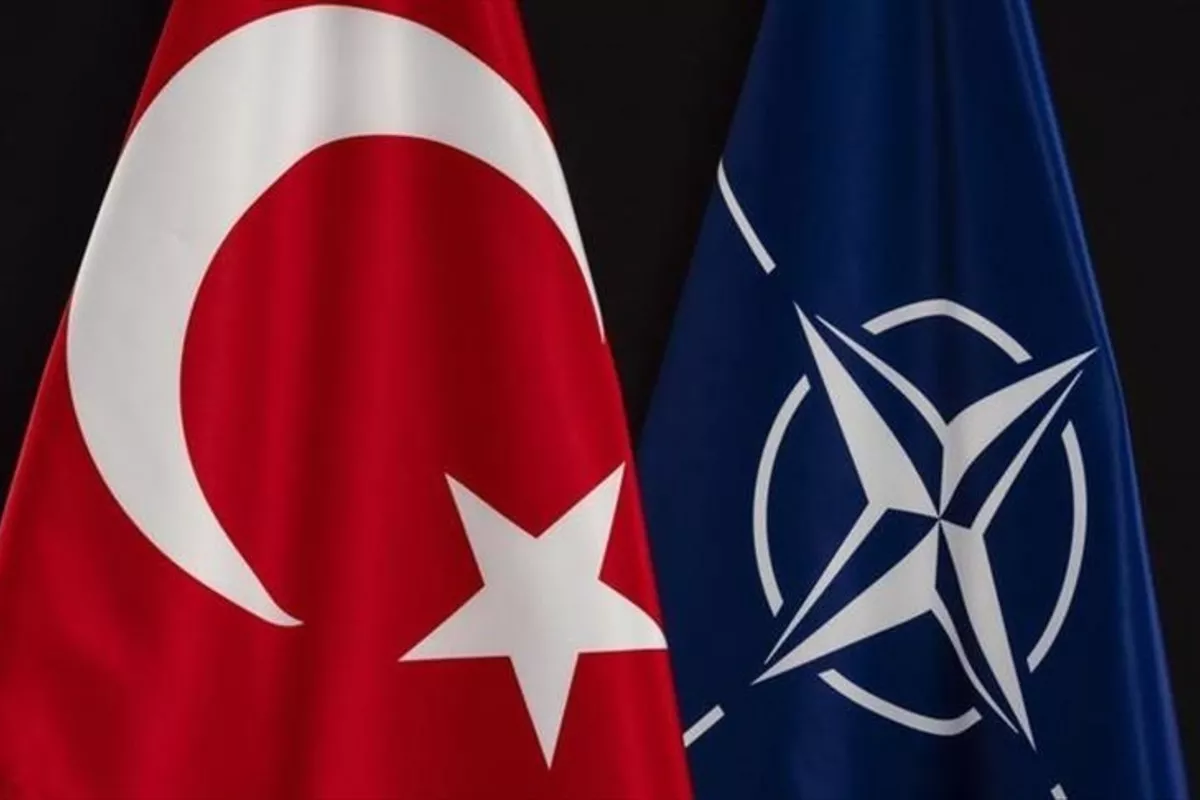
Now, the NATO Summit to be held in Türkiye in July stands as an opportunity to further solidify Türkiye’s weight within the international system.
Türkiye in the New World Order
Türkiye is no longer merely a regional power affected by crises; it is now viewed as an actor that plays a role in managing crises, serves as a reliable mediator between parties, and contributes to shaping the security architecture.
As the war in Ukraine drags on and communication channels between the West and Russia continue to narrow, Türkiye stands out as one of the few countries capable of engaging with both sides.
Indeed, Ankara continues to pursue a balanced policy that serves as a model for countries that, while supporting Ukraine’s territorial integrity, choose not to completely sever diplomatic and economic ties with Russia.
This balanced policy positions Türkiye as an indispensable mediator in potential negotiation phases of the war, and today neither Kyiv, nor Moscow, nor Western capitals can envision a diplomatic resolution process that does not include Türkiye.
On the other hand, tensions centered on Iran—which could normally drag Türkiye into a crisis—are actually enhancing Türkiye’s strategic importance through its current strategy.
Energy, Logistics, and Diplomatic Realities
Amid rising tension hotspots in the Northern Corridor and the Middle East—a reality where energy security and the protection of trade routes have returned to the top of the global agenda—Türkiye has demonstrated its position as the central hub for energy corridors linking Europe and the Gulf, while also establishing itself as the country with the strongest military capacity within a NATO equation that excludes the United States.
All these realities have elevated Ankara beyond the role of a mere regional actor, positioning it as the most critical country for European security and confirming its evolution from a regional power into a global one.
Türkiye’s ability to keep diplomatic channels open during periods when direct communication between Russia and Iran on one side and the West on the other has diminished is another factor that underscores Ankara’s importance.
On the other hand, the Gaza crisis has emerged as an area highlighting Türkiye’s soft power and diplomatic influence.
Ankara has drawn attention as one of the most active countries striving to keep the Palestinian issue on the international agenda and has emerged as a champion of justice on the global stage.
Europe’s defense vulnerabilities and Türkiye’s growing defense industry strength
One of the most significant drivers behind Türkiye’s rising influence has been its burgeoning defense industry.
The technological capabilities and export successes achieved in recent years have proven that Türkiye has evolved from a mere consumer of security to a producer of security.
Domestically developed systems spanning a wide range—from unmanned aerial vehicles to air defense systems, and from naval platforms to munitions technology—have enhanced Türkiye’s visibility in international markets. As Europe enters a period of rearmament, the effective solutions offered by the Turkish defense industry have reached a point where they cannot be ignored.
Conclusion
The culmination of all these developments and their formal recognition for Türkiye will be the NATO Summit to be held in Ankara in July.
The summit will serve not only as a meeting where decisions regarding the alliance’s future are made but also as a platform showcasing Türkiye’s new position within the international system.
On the other hand, the summit will serve as a platform for agreements exceeding expectations regarding Türkiye’s growing defense industry.
Furthermore, on all issues—including Black Sea security, the war in Ukraine, crises in the Middle East, defense spending, and new security threats—Türkiye will establish a new reality as a country with a direct say in these matters.
In conclusion, Türkiye will now assert its position as a central country in the new global order not merely due to its geographical location, but through its diplomatic outreach capabilities, military strength, defense industry infrastructure, and effectiveness in crisis management.
This development will undoubtedly be regarded as one of the most concrete indicators that Türkiye is moving away from its status as a regional power and toward that of a global power in the coming period.