


By Mehmet Enes Beşer
A small, tropical, island nation lying at the convergence of the Indian Ocean in the Maldivian chain of white beaches and turquoise water is far from the idyllic destination that tourists imagine. Instead, it represents a country that has emerged as a power player in the Indo-Pacific political landscape, with foreign policies that play an increasingly critical role in a geopolitical setting dominated by environmental challenges and great powers competition.
The increasing international focus has made the Maldives navigate a fundamental conflict between internal political necessities and growing international responsibilities. Maintaining this precarious balance would require more than diplomatic skills; it will demand a coherent and forward-thinking foreign policy based on national interests, regional responsibility, and sustainability.
From 2008 till now, democracy in the nation has demonstrated cycles of nationalist populism, liberalism, and weakness. Those cycles had real repercussions on the foreign policy of the country, especially when considering the way strategic relations were developed by different governments.
The government of President Mohamed Muizzu represents a stronger and more sovereign approach, in particular, when it comes to approaching India. “India Out” sentiment, which is an outcome of nationalism, sovereignty, and opposition politics, may appear as a sign of the country’s increased sovereignty and independence. However, it is also a risky move that could jeopardize relations with a neighbor that has helped the country during previous hardships, providing medical and disaster response.
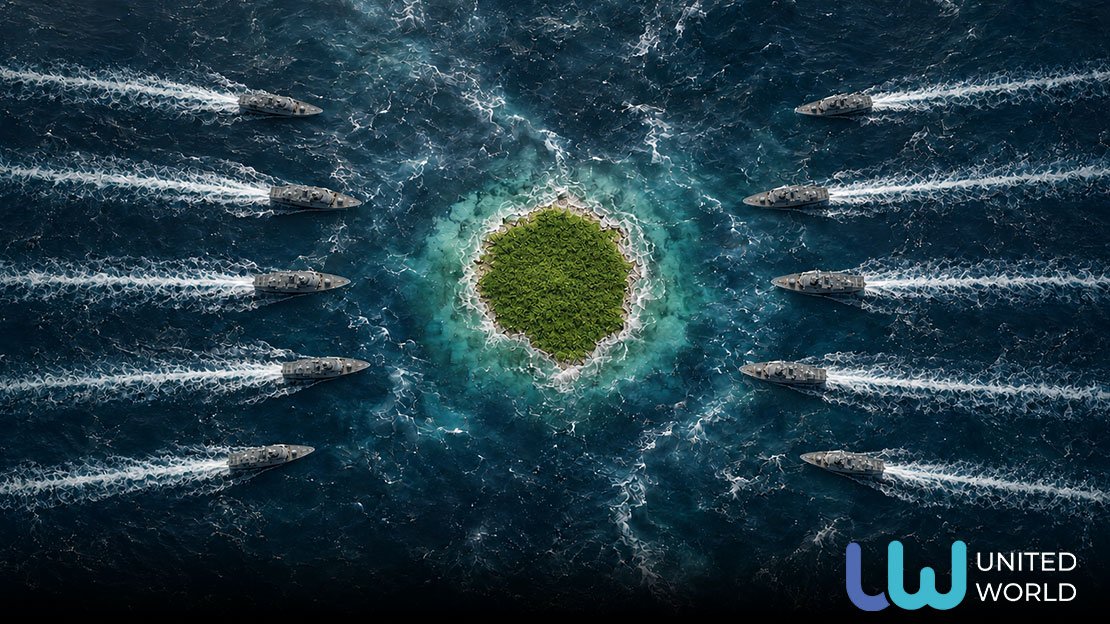
The change in relations with India has to be understood in the context of the regional rivalry between two major nations. China’s expanding role in the Indian Ocean, promoted by the Belt and Road initiative, brings both investments and infrastructure. Such initiatives as Sinamale Bridge and Chinese-backed housing programs offer tangible benefits, though there are also risks associated with debt and strategic vulnerability.
As an economically unstable, vulnerable, and insular nation, a zero-sum game between China and India will bring nothing but problems to the nation. Thus, high-level diplomacy that would allow deriving developmental benefits from all countries involved and maintaining neutrality in great powers rivalries is required.
Internal dynamics also add pressure on policymakers. There is strong pressure from the population for better infrastructure and job opportunities; therefore, the government has no choice but to pursue developmental projects funded by foreign investors. The social contract of the nation is being tested since the lack of transparency regarding foreign policy agreements, mounting debts, and insufficient consultations create doubts about sovereignty. Foreign policymakers have to find a way to avoid undermining the nation’s sovereignty and accountability with foreign assistance.
Lastly, another aspect of the situation is climate change that represents an overriding issue of survival for the Maldives. Climate change makes foreign policy a matter of survival since sea level increase is threatening the coastlines and, by extension, entire communities. In this regard, the nation can take pride in its role in the promotion of global action against climate change. Still, it will be crucial to demonstrate consistency with actions in accordance with international commitments.
Considering all the above factors, one key question becomes even more relevant: what kind of foreign policy should Maldives develop?
To begin with, the foreign policy should be strategic rather than tactical. Foreign policy that is built around domestic politics and popular views cannot guarantee future prosperity of the country. It is important to achieve bipartisan agreement regarding the strategic issues, such as maritime security, climate resilience, and economic sovereignty.
Another point to consider is that neutrality cannot be synonymous with passivity. In this regard, “smart non-alignment” would be a good strategy that implies active engagement with various parties and increased multilateralism, in particular, strengthening cooperation with other small island states and participating in regional organizations, such as IORA.
Moreover, economic diplomacy should focus on resilience, in particular, diversification of the economy, investments, and debt management with increased transparency. Transparent foreign contracts are critical for sovereignty.
Furthermore, the institutional capacity of foreign affairs organizations should be bolstered by increasing their autonomy, professional skills, and expertise in negotiation, enforcement, and monitoring of foreign transactions.
Finally, citizens should remain the core of the nation’s foreign policy. Civic education, public diplomacy, and consultations are necessary since foreign policy directly impacts employment, prices, security, and national identity.
Overall, the current position of the nation at the intersection of international and domestic spheres of politics offers an opportunity that also involves certain risks. Nevertheless, this position grants influence that allows the nation to spread its voice farther out at sea. In order to thrive in the competitive Indo-Pacific area, the nation needs to develop a foreign policy strategy that would maintain the balance between various aspects and not oscillate between them.