


By Memet Enes Beşer
Malaysia’s lush rainforests, previously considered a cradle of biodiversity and a key carbon sink in the fight against climate change, now increasingly face danger—not from the typical logging or infrastructure projects, but from the insidious and legally sanctioned growth of timber plantations. Promised as eco-friendly and profit-making, the plantations are rapidly turning out to be an agent of land grabbing and deforestation, preeminently on Indigenous territories where traditional rights are still threatened with state-led development. In the unfolding crisis, the battle is not only over the forest but over legal and ethical recognition of the people who have co-existed with it for centuries.
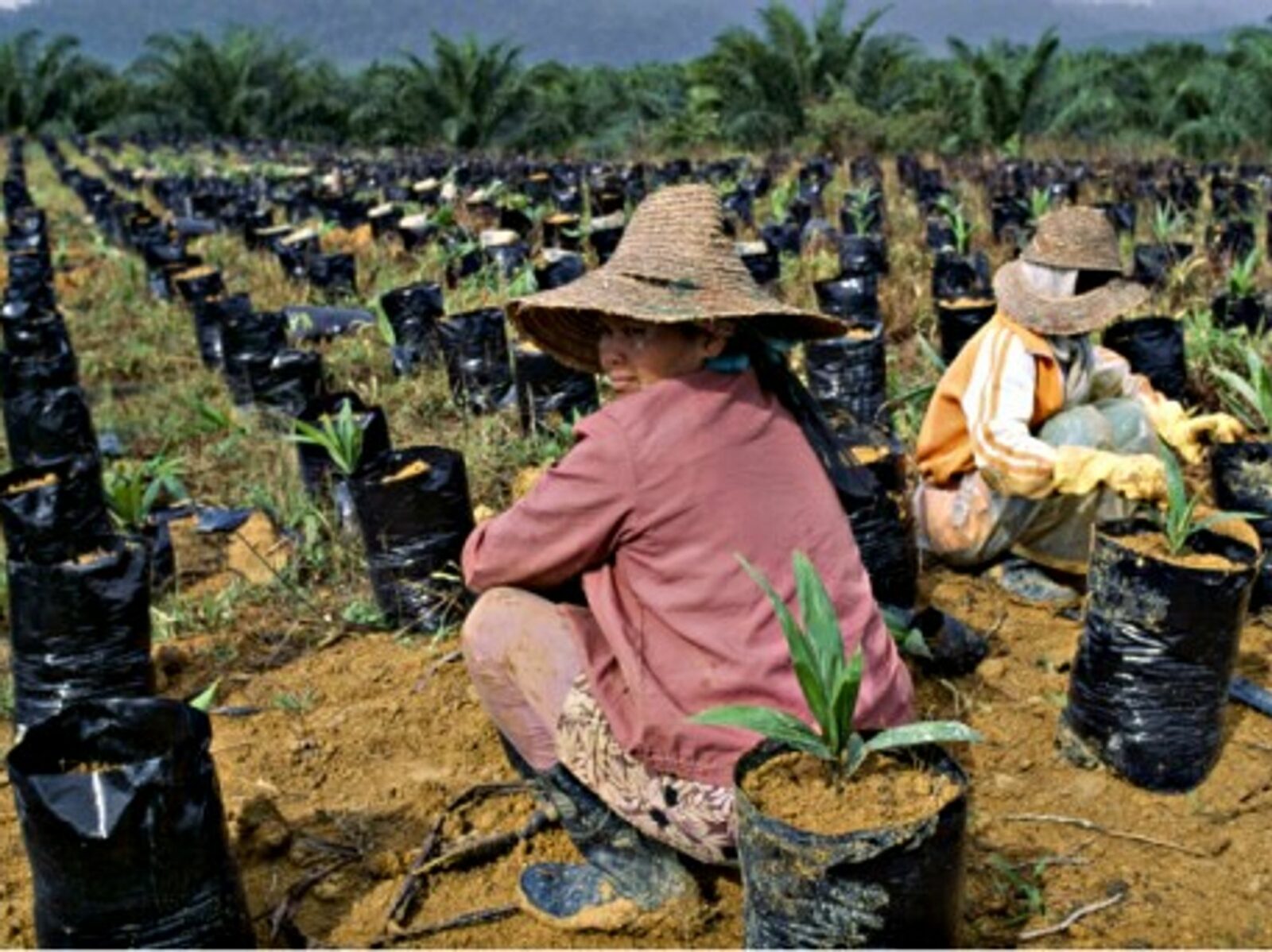
In recent two decades, the Malaysian state government—largely at state level, since land matters are largely devolved—has facilitated timber plantations as an environment-friendly alternative for clear-cutting. This has allowed enormous hectares of forest cover to be turned into single-species plantations in the cover of reforestation, albeit at economic and social expense. Species-rich ecosystems have been cleared to provide land for fast-growing acacia and rubber plantations, converting dynamic forest ecosystems into biologically impoverished green deserts. To local communities, particularly the Orang Asli in Peninsular Malaysia and Indigenous communities in Sabah and Sarawak, these activities have led to dispossession, displacement, and loss of customary livelihoods.
Most insidious about timber plantations is the cloak of legality that envelops them. As opposed to illegal logging, which can be countered by enforcement, plantation concessions are often done with official sanction, by the blessings of local authorities and backing from corporate interests. What results is legally inscribed land grabbing, with minimal consultation provided to Indigenous peoples. Even when non-violent resistance and customary claims based on documented evidence are the reaction, people are exposed to intimidation, criminalization, and long-drawn-out legal battle.
Environmental degradation exacerbates these social injustices. Timber plantations are frequently created with minimal consideration for watershed conservation, soil quality, or biodiversity corridors. Their sameness renders them susceptible to pest and disease, prompting the use of agrochemicals that will pollute water sources. Animals are displaced, habitats are fragmented, and the potential of natural forests for carbon sequestration is greatly reduced. In practice, what is sold as sustainable land use becomes a net source of ecological degradation.
The Malaysian state’s response has been inconsistent. At the paper stage, several policy papers recognize the value of holding Indigenous rights over land and sustaining the environment. Malaysia has not ratified UNDRIP but the state constitutions provide varying amounts of recognition to customary tenure. But in practice, enforcement is weak, bureaucratic process is impenetrable, and business interests continue to prevail over rural land use decisions. In Sarawak—the center of Malaysia’s timber economy—land classification systems allow unrestrained discretion over how forested land is categorized and converted. Native claims, especially when they are not documented or oral, are frequently disregarded in favor of economic needs.
Civil society, both indigenous NGOs and indigenous rights organizations, have sought to break this dynamic through litigation, popular campaigns, and international campaign. Success in the courts—like legendary court decisions winning customary rights over land—is gaining precedent-setting successes. But implementation drags on slowly and piecemeal, often without political backing. At the same time, plantation expansion continues, driven by local timber demand, intra-regional trading patterns, and pressure to deliver corporate sustainability targets using supposedly “planted” wood.
Controlling timber plantations, thus, is not just an issue of environmental policy. It is a challenge to Malaysia’s promise of justice, pluralism, and sustainability over the long term. A proper response should start with a moratorium on new concessions in Indigenous and ecologically vulnerable lands, accompanied by a transparent examination of current permits. Legislative reforms are necessary to reconcile state and federal acknowledgment of land tenure, merge land registration of customary claims, and allow independent review agencies that can adjudicate disputes without politics.
Of equal importance is a shift in mind-set for development—beyond monoculture extractive development to people-centered forest stewardship. Centuries-tested indigenous knowledge systems of indigenous peoples offer scalable models for conservation and sustainable use. By respecting local communities as forest guardians rather than marginalizing them as impediments to development, Malaysia can turn a crisis into an opportunity: to re-envision forestry in harmony with and reverence for both the land and the people.
What’s on the line is more than the future of one industry. Uncontrolled expansion of timber plantations threatens to unravel the social fabric and environmental integrity of one of Southeast Asia’s most biodiverse regions. If Malaysia wants to lead on climate resilience, Indigenous rights, and sustainable development, it must stop conflating tree planting with forest conservation—and listen to those who’ve been protecting them all along.