


By Özgür Altınbaş
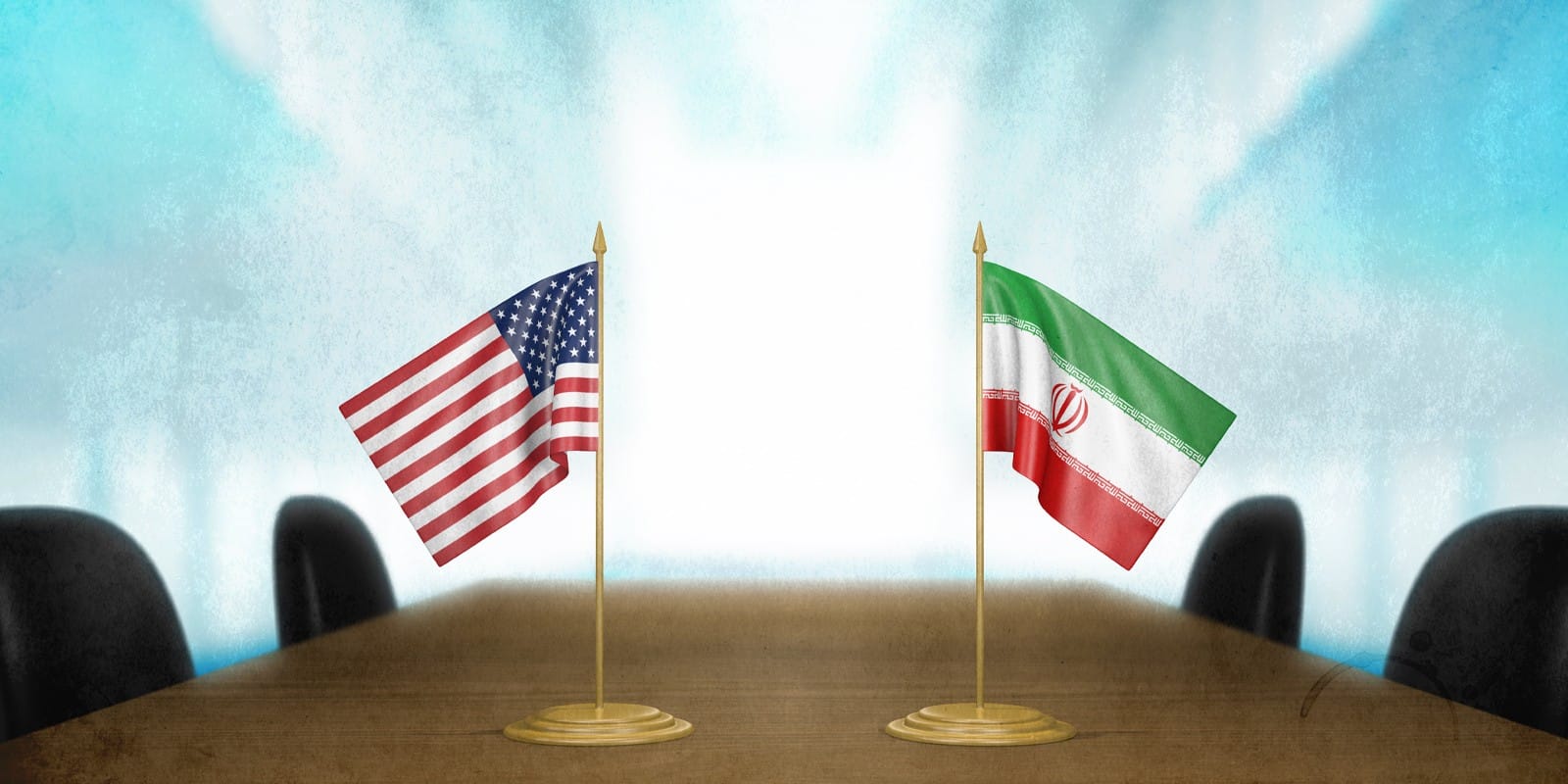
Iranian political analyst Peiman Salehi evaluates Iran-US tensions and negotiations. In a period where regional tensions are rising, and military activity has reached its peak, the question “Is the US buildup a harbinger of war?” occupies the global agenda. Peiman Salehi, an Iranian political analyst and author, stated that despite US pressure, the Iranian public’s confidence in their armed forces remains intact and the atmosphere among the citizenry is calm.
‘Coercive signaling and psychological pressure’
Salehi evaluated the latest US military buildup not as the start of a definitive attack, but rather as “coercive signaling” and psychological pressure within the framework of negotiations. “Washington is attempting to increase the strategic and mental cost for Iran at the negotiating table,” Salehi said. He added: “Over the past decades, the US has frequently used forward deployments as a method to strengthen its bargaining position. However, an expanded military presence does not automatically indicate a decision for war. The visibility and public announcement of these deployments suggest an aim of deterrence and pressure rather than an operational surprise attack. A real attack scenario typically involves more strategic ambiguity and less rhetorical exposure.”
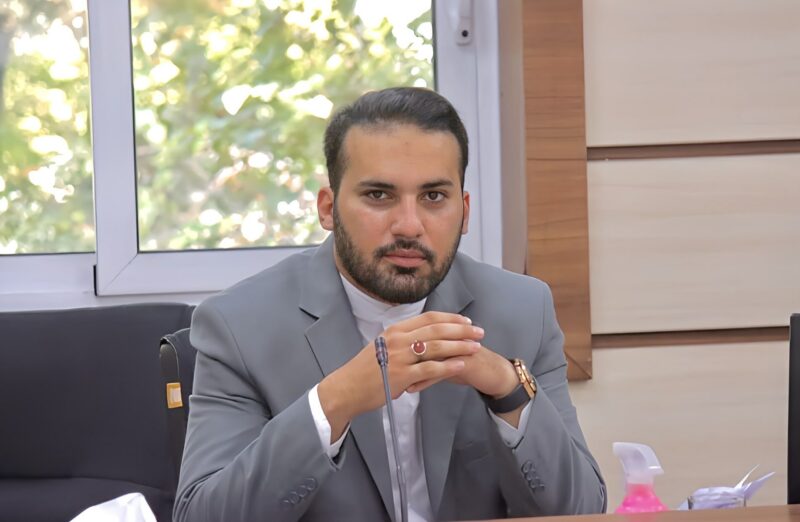
The Iranian expert noted that from Tehran’s perspective, this stance is seen as an effort to negotiate from a perceived position of superiority rather than an immediate war plan. He remarked, “The fundamental question is whether this pressure will produce concessions or reinforce Iran’s resolve.”
Iran’s approach to negotiations
Salehi emphasized that Iran is approaching this round of negotiations with increased strategic caution shaped by experiences. Stating that the unilateral withdrawal of the US from the previous agreement and the re-imposition of sanctions fundamentally changed the perception of threat in Tehran, the expert said: “Today, Iranian policymakers treat negotiations not as a trust-based diplomatic process, but as a managed risk.”
Underlining that it is unlikely for Iran to grant concessions upfront without reciprocal and verifiable steps, Salehi commented: “The emphasis is on incremental commitments and enforceable guarantees. In other words, Iran is not rejecting diplomacy; it is redefining the framework in which diplomacy can function to ensure that what was seen domestically as a ‘strategic imbalance’ in the previous process is not repeated.”
‘Preemptive strike would shatter diplomacy’
Salehi also evaluated the possibilities of a preemptive strike by Iran, as mentioned in Israeli and Western media. The Iranian expert stated that “speculations” regarding Tehran launching a preemptive attack should be approached with caution. “Iran’s military doctrine over the last decades has focused largely on deterrence and retaliation rather than a first-strike strategy. The focus is not on initiating conflict, but on increasing the cost of aggression,” Salehi said.
The expert emphasized that a preemptive strike would fundamentally shatter the diplomatic landscape and expose Iran to broad international pressure at such a sensitive moment. “Such a move would contradict Tehran’s efforts to present itself not as an escalator of tension, but as a negotiating actor under pressure,” Salehi said, adding: “Therefore, despite the hardening rhetoric in the region, the probability of a preemptive strike remains low unless Iran assesses an immediate and inevitable threat to its national security.”
Daily life and public psychology in Iran
We also spoke with Salehi about daily life and the psychology of the people in Iran. Salehi stated that the mood of the Iranian people is much calmer and more dignified than many foreign observers assume. “Despite the hardening situation and regional tensions, daily life continues with relative normalcy,” Salehi said. “Universities, schools, offices, and markets maintain their routine activities. There is no widespread panic buying or systemic disruption in the supply of basic goods, which is typically seen in societies on the brink of conflict.”
The Iranian expert noted that this relative calm reflects two structural factors:
- Many Iranians have lived under sanctions and pressure for decades, which has led the public to become accustomed to a certain level of geopolitical tension.
- There is a significant level of social trust in Iran’s armed forces and their deterrent capabilities. This trust does not always translate into a desire for war; rather, it reflects a belief that Iran can defend itself if necessary.
‘Social media magnifies extreme narratives’
Salehi points out that although voices supporting foreign intervention—often linked to monarchist or diaspora networks—are encountered in digital spaces, it is difficult to verify the representativeness of these views. Emphasizing that social media often magnifies extreme narratives, the Iranian expert said: “It is not always clear whether these voices reflect the sentiments of the local population, expatriate communities, or coordinated digital campaigns. Overall, while Iranian society is not immune to economic pressures or political debates, the dominant psychological stance appears to be resilience (fortitude) rather than panic.”
What will be the move of Iran’s allies?
Salehi also spoke regarding the situation of Iran’s regional allies. Recalling that Iran has repeatedly stated that any direct attack on its own territory would not remain geographically limited, Salehi said: “This form of messaging is essentially deterrent in nature. The goal is to raise the cost of military action by signaling that any escalation will have regional consequences. In the event of a wider conflict, actors allied with Iran, such as Hezbollah or Ansarullah, would likely make an assessment based on their own strategic environments. However, assuming that large-scale and coordinated attacks would automatically begin is an oversimplification. Iran’s regional strategy has historically emphasized calibrated responses rather than uncontrolled escalation.”
Discussing scenarios of disrupting maritime traffic in strategic waterways, the Iranian expert commented: “Nevertheless, such measures would likely be selective and pressure-oriented rather than total war. The goal here is not the expansion of war, but increasing the strategic price of aggression. In essence, the logic behind a potential intervention is to provide deterrence through complexity; that is, making any military action against Iran costly and strategically unpredictable at a regional level.”