


United States Armed Forces: Ready for war? (II)
On December 14, one day after writing the first part of this work, it was announced that the United States Senate approved the National Defense Authorization Act (NDAA), an instrument

On December 14, one day after writing the first part of this work, it was announced that the United States Senate approved the National Defense Authorization Act (NDAA), an instrument

During the first months of this year, a series of news began to circulate that reported a critical situation within the United States armed forces. Likewise, serious difficulties were exposed

By Sergio Rodriguez Gelfenstein The leading world powers convened between November 1884 and February 1885 in the city of Berlin, invited by France and Great Britain and organized by the

The title of this article refers to an extraordinary novel written by Emily Brontë in the mid-19th century and which, on many occasions, has been adapted for film and television.
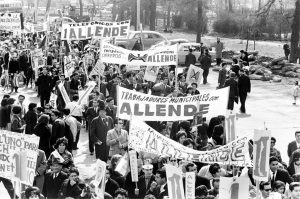
I write this week from Chile where I attended an international seminar organized by the Municipality of Recoleta, the XXI Constituent Foundation and other organizations to commemorate the 50th anniversary
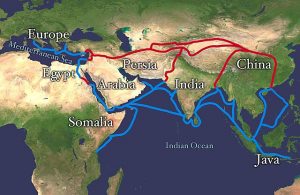
During the year 138 (2nd century BC), Emperor Wudi of the Han Dynasty sent Zhang Qian on a diplomatic mission to observe the western parts of the empire and Central

The events in sight make it clear that Russia, despite the fact that it has not yet fully achieved its originally planned objectives, is imposing its logic on the conflict
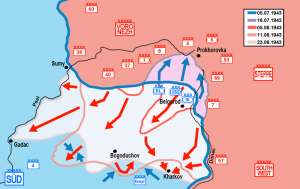
It is true that the Battle of Stalingrad, which ended in February 1943, marked a turning point in the development of the Second World War because it was Germany’s first
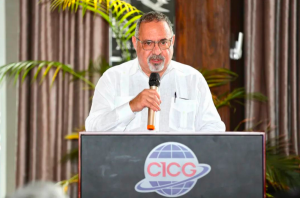
My speech at the presentation of the Chinese edition of my book “China in the 21st century. The Awakening of a Giant”, held in Beijing on July 31, 2023: Interestingly,
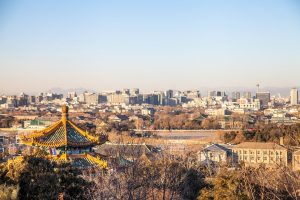
Last Thursday I had to get up very early. I was supposed to be at the Shanghai Hongqiao train station at 6:30 a.m. to travel to Beijing. A light breakfast

I am writing from Shanghai where I arrived last Sunday. The heat in the streets of this city of 24.7 million inhabitants is overwhelming. Shanghai is located in the eastern

Remembering Nicaragua on July 19 is every year a moral obligation for me. In Nicaragua I grew as a person, as a thinking human being and as a fighter for