

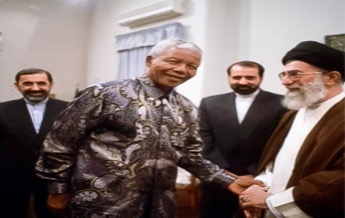
By Dr. Halim Gençoğlu It is not surprising that Indian Prime Minister Modi was welcomed by Prime Minister Benjamin Netanyahu at Ben Gurion Airport on February 25, 2026, as part of a two-day program that included his historic speech to the Israeli Parliament and a visit to the Yad Vashem Holocaust Memorial. The most striking element of the visit was ...
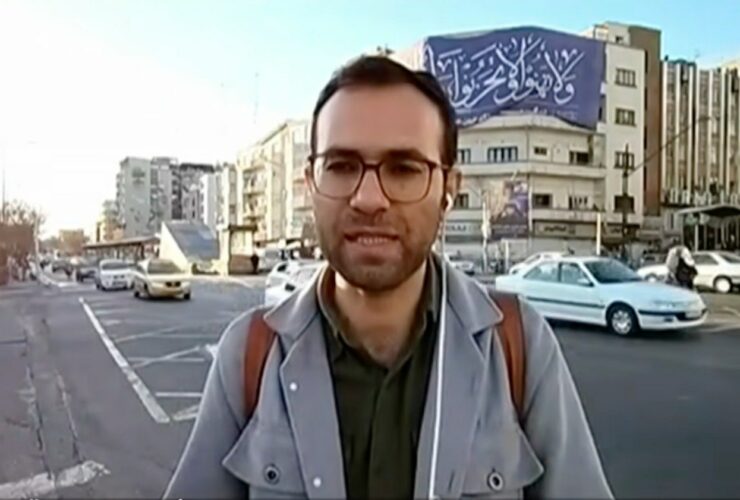
By Gürkan Demir, from Tehran / Iran Following the 5:00 AM announcement on Iranian state television confirming the death of Ayatollah Ali Khamenei, crowds began surging toward Tehran’s Engelab Avenue. The sun hadn’t even risen yet. Grief and resilience What did I see? I saw tears. I saw rage. Chants against the US and Israel. Cries of “No deals, no ...
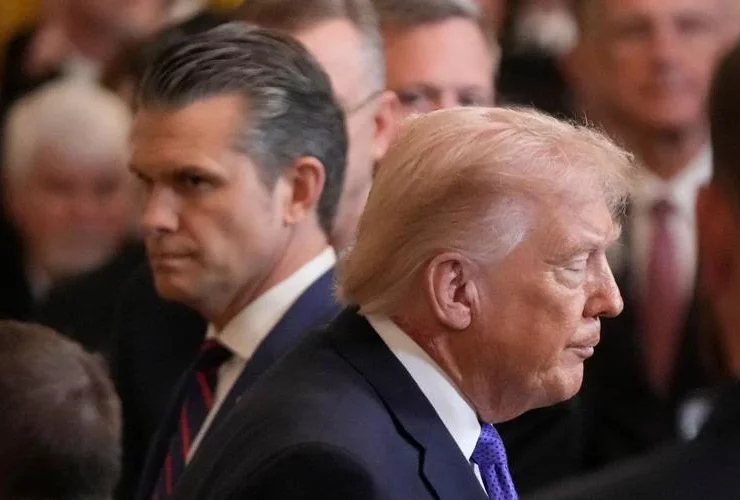
Cem Gürdeniz, a retired Rear Admiral of the Turkish Navy and one of the coiners of the term “Blue Homeland” (Mavi Vatan) shared his views on the war between Iran and US-Israel on the social platform X. Focusing mainly on military and geopolitical aspects, Gürdeniz offers a trajectory analysis of the war. We present Gürdeniz’s analysis, translated into English. — ...
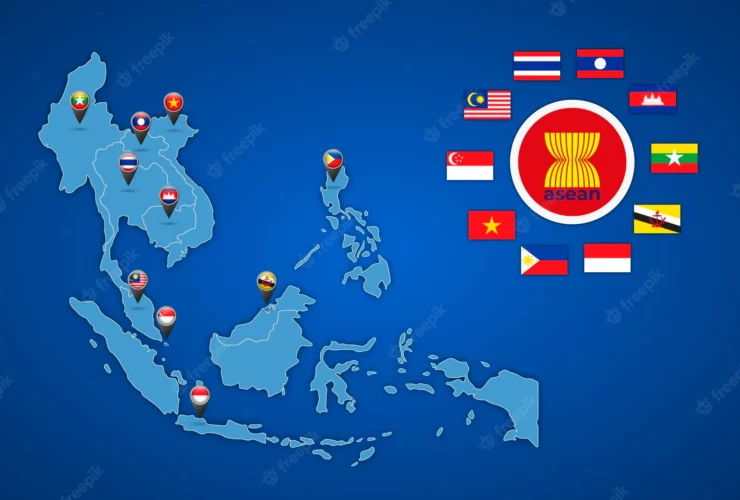
By Mehmet Enes Beşer The persistent trade surpluses of the majority of ASEAN countries are not accidental nor merely the result of favorable global demand. They are the outcome of deliberate, long-term development strategies founded on export-oriented industrialization (EOI)—a model once actively promoted by the very institutions of the liberal international order led by the United States. Ironically, while Washington ...
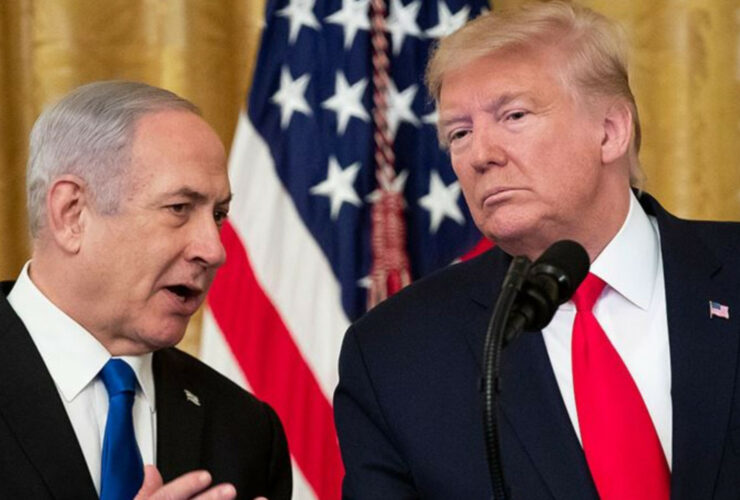
By Adem Kılıç, Political Scientist The US and Israel—or more accurately, Trump and Netanyahu—have launched a long-anticipated war against Iran, shifting the Middle East environment from a “deterrence” equation to an “existential” one. Following the first wave aimed at paralyzing the decision-making mechanisms of the regime in Tehran, the death of Ayatollah Ali Khamenei showed that the boundaries of this ...
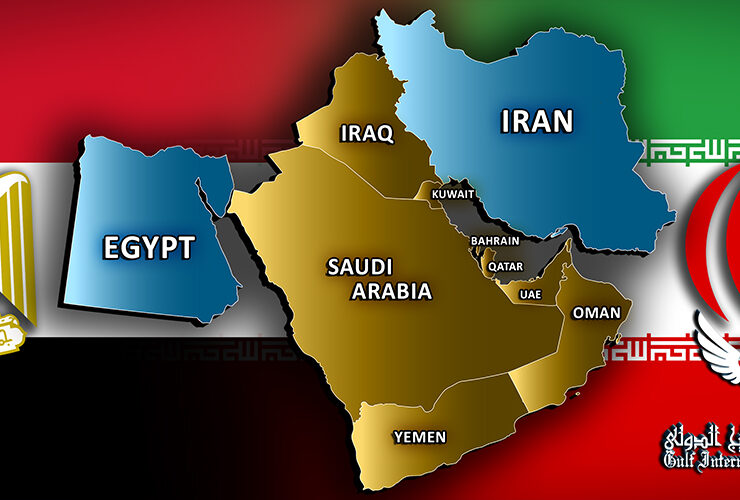
The moment of truth has arrived. The voices of diplomacy are no longer heard, and the sounds of gunfire drown out all others. President Donald Trump is living in a state of euphoria after his success in assassinating Iranian Supreme Leader Ali Khamenei and some of his commanders. Neighboring countries have found themselves in the eye of the storm in ...

As expected, the US/Israeli forces launched attacks against Iran, targeting Iranian Supreme Leader Ali Khamenei and the country’s military commanders on the first day of the war. The current conclusions drawn from the wave of attacks launched by the US/Israel and Iran’s responses can be summarized as follows; 1. Iran was targeted while at the negotiating table. The US/Israel continues ...
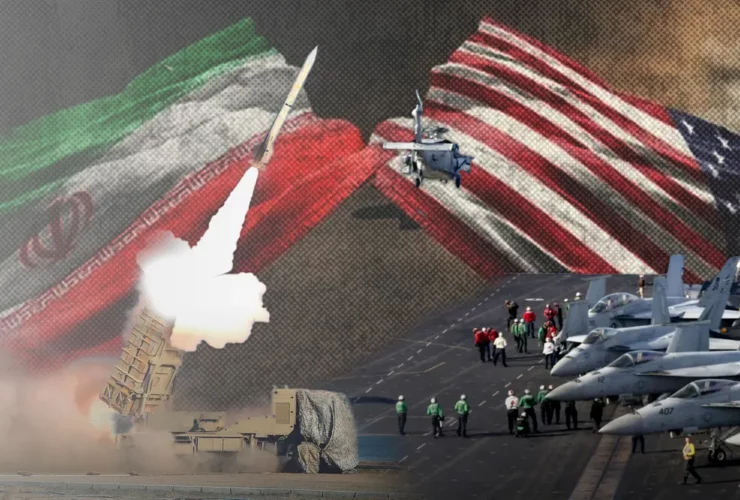
UWI author, historian and political scientist Associate Professor Mehmet Perinçek was guest on a live broadcast of Turkish Ulusal Kanal’s right after the attack launched by the US and Israel against Iran on January 28. Below are the main points of Perinçek’s evaluation in the broadcast. The basic points Let’s begin with the most basic point. The simplest question is ...
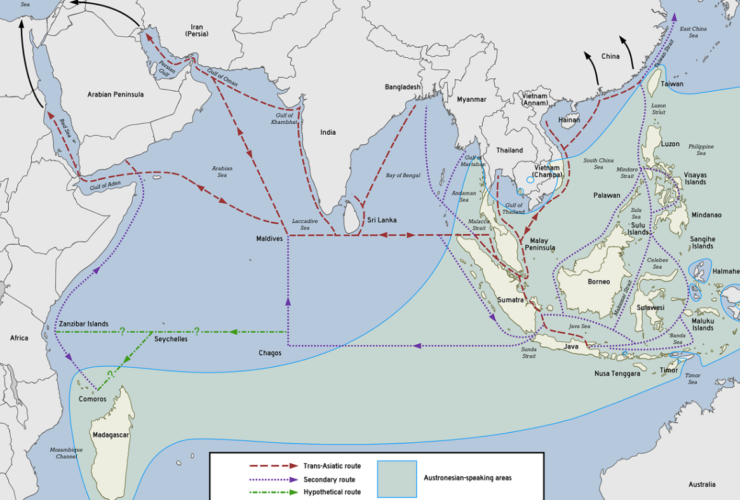
By Mehmet Enes Beşer Southeast Asia is one of the world’s most strategic sea highways where global commerce passes through, strategic rivalries, and environmental risk points meet. From Malacca Strait to South China Sea, Southeast Asian seas are as vital to global economic being as they are to Southeast Asian seas’ diversity for sovereignty and national interests. Ocean Space is ...
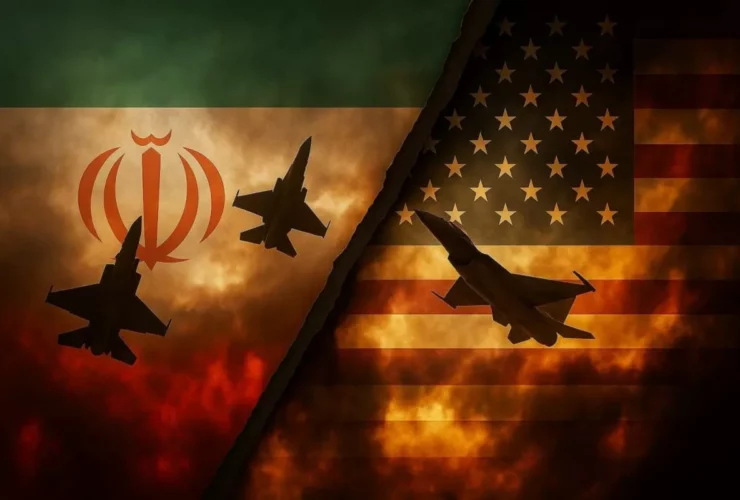
By Umur Tugay Yücel, political scientist The tension between the United States and Iran is more than just a bilateral crisis; it constitutes a multifaceted strategic competition directly impacting Israel’s security, the Middle East’s security architecture, and global power balances. The nuclear program, the struggle for regional influence, sanctions, and indirect conflicts conducted through proxy actors shape the core dimensions ...
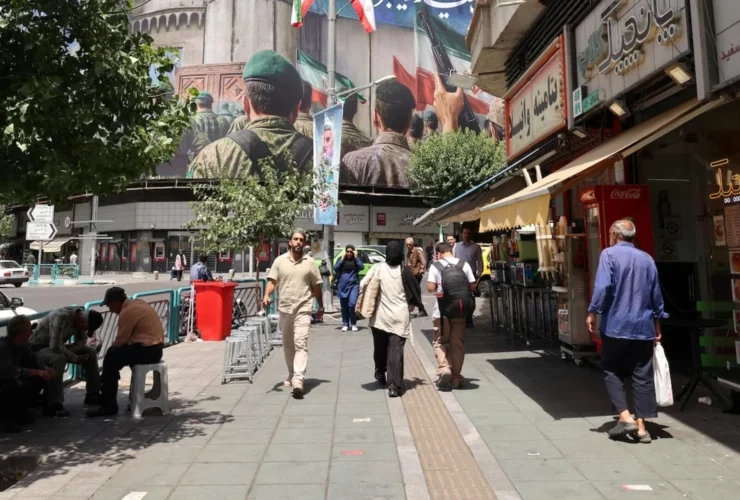
By Ismet Özçelik Ankara correspondent of Aydınlık newspaper, from Tehran / Iran Invitation to the 47th anniversary events The 47th anniversary of the Iranian Revolution was February 11. I was invited to attend the anniversary events in Tehran. I was there from 10th to 12th February. Before leaving for Iran, I received many warnings. “The US and Israel could strike ...
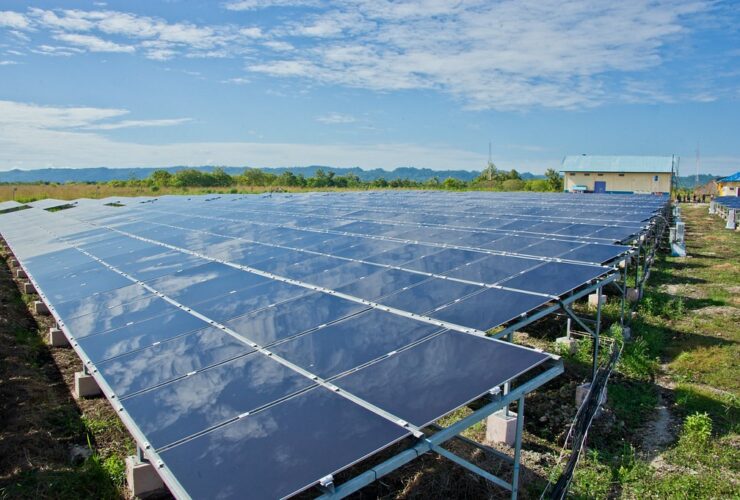
By Mehmet Enes Beşer While the world speeds toward a low-carbon future, the ten ASEAN member states stand at a strategic crossroads. BLESSED with solar, hydro, wind, and geothermal resources, ASEAN is positioned well to ground the enormous potential of its development on renewable power. Painfully lacking clear regional ambitions and growing global interest, the ASEAN switch to renewable energy ...