

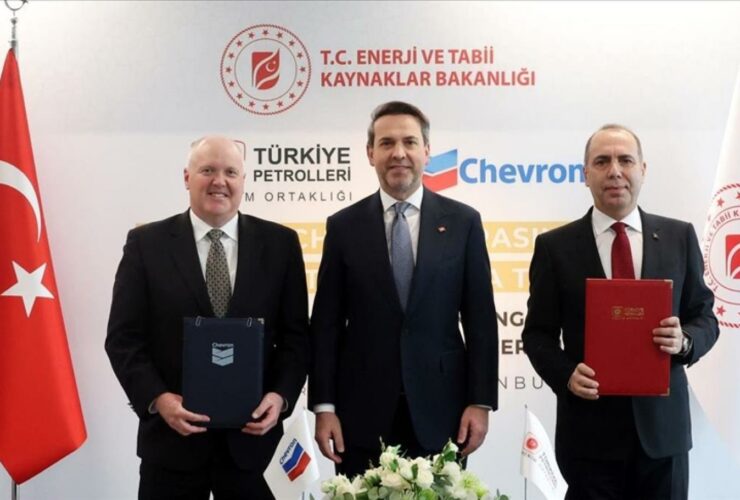
By Melih Baş Recently, Türkiye has signed energy agreements with US energy giants. These include cooperation on energy exploration in the Black Sea and the Mediterranean, as well as partnerships for overseas operations. Lastly on February 5, the Ministry of Energy and Natural Resources announced that Turkish Petroleum Corporation (TPAO) signed a joint oil and gas exploration agreement with Chevron. ...
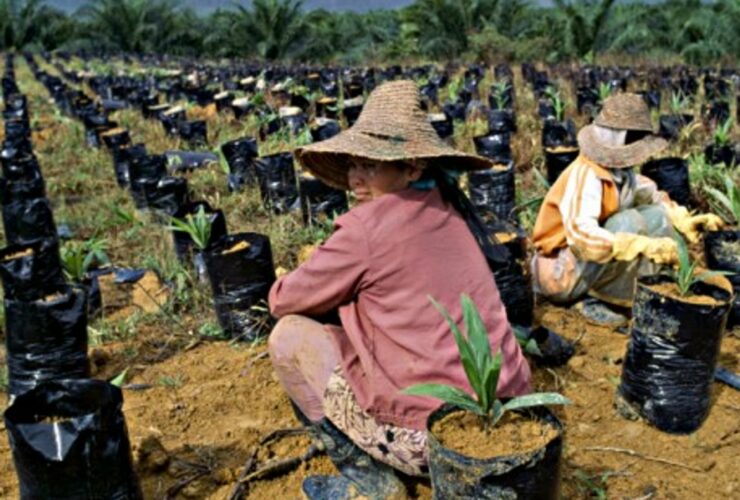
By Memet Enes Beşer Malaysia’s lush rainforests, previously considered a cradle of biodiversity and a key carbon sink in the fight against climate change, now increasingly face danger—not from the typical logging or infrastructure projects, but from the insidious and legally sanctioned growth of timber plantations. Promised as eco-friendly and profit-making, the plantations are rapidly turning out to be an ...
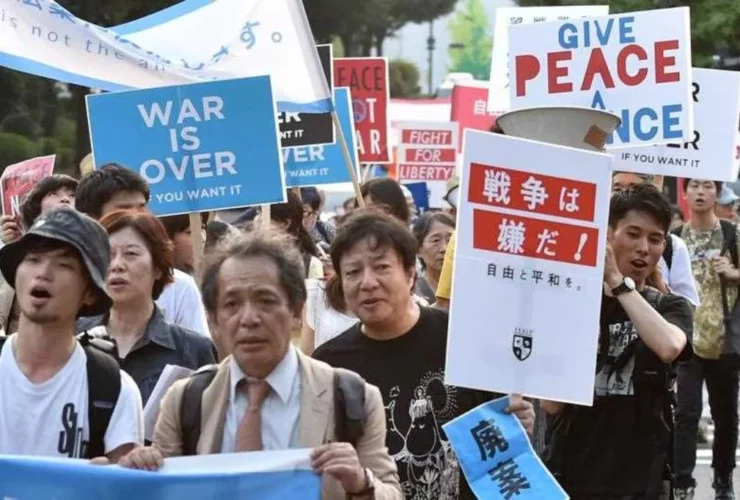
Published in SHISO-UNDO NEWS No. 182 Participants:Akira Fujiware (School Worker / Moderator) Shozo Hirono (Activist Group Shiso-Undo) Hiroshi Inagaki (Shiso-Undo Editorial Department) Hideto Osaka (Local Government Non-Regular Worker) Kazuhiro Okie (International Politics Researcher) Kasane Yonemaru (Part-Time Office Cleaning Worker) Aiko Fujimoto (Public Sector Worker) The Takaichi Sanae administration maintains high approval ratings Fujiwara: Right now, across every sphere—politics, economics, military, ...
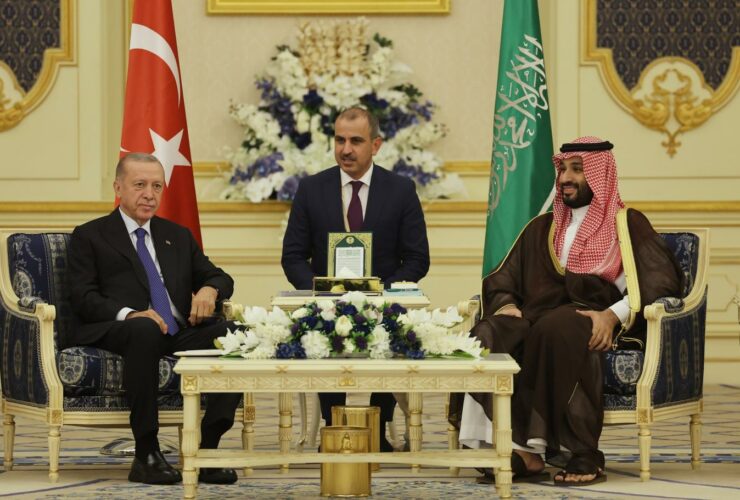
In Türkiye last week, President Recep Tayyip Erdoğan’s visits to Saudi Arabia and Egypt topped the national agenda. Another major talking point came from Foreign Minister Hakan Fidan who made remarks on Iran during a television program. And the Epstein Files, together with the whole world, was a topic of the Turkish public. Erdoğan’s visit to Saudi Arabia and Egypt ...
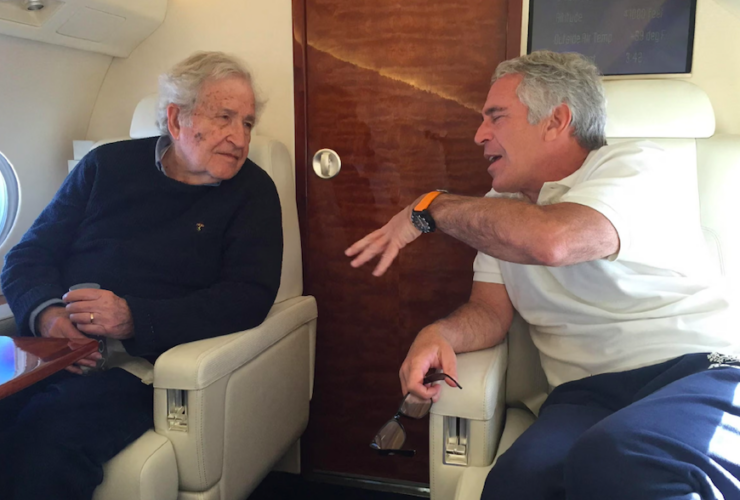
By Cemil Gözel, Editor-in-Chief of the monthly magazine Bilim ve Ütopya (Sciencie and Utopia) The debate sparked by Noam Chomsky’s ties to Jeffrey Epstein has been framed in some circles as a moral scandal. But the issue runs much deeper than that. When you think about the intellectual persona Chomsky built on his critiques of imperialism, the media, and state ...
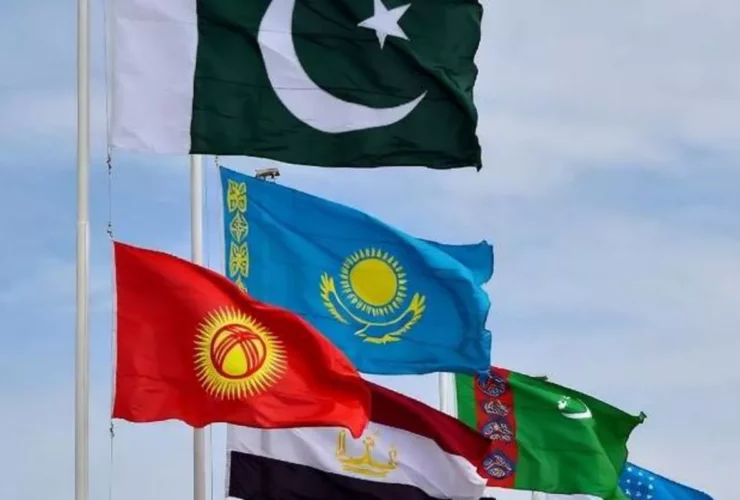
By Dure Akram, from Lahore / Pakistan The latest UN sanctions-monitoring report puts a hard edge on a question the region has tried to keep diplomatic: whether Taliban-ruled Afghanistan is merely unstable, or functionally permissive for the kind of cross-border militancy that turns trade maps into casualty lists. In its most recent assessment, the UN Security Council’s Analytical Support and ...

US Vice-president J.D. Vance conducted a two-day-visit to the South Caucasus, meeting with the Armenian Prime Minister Nikol Pashinian and Azerbaijani President Ilham Aliyev. During both visits, the US signed fundamental agreements with its counterparts. In Armenia, cooperation on nuclear energy and the sales of drones were agreed upon. In Azerbaijan, an agreement of lifting the relations to the strategic ...
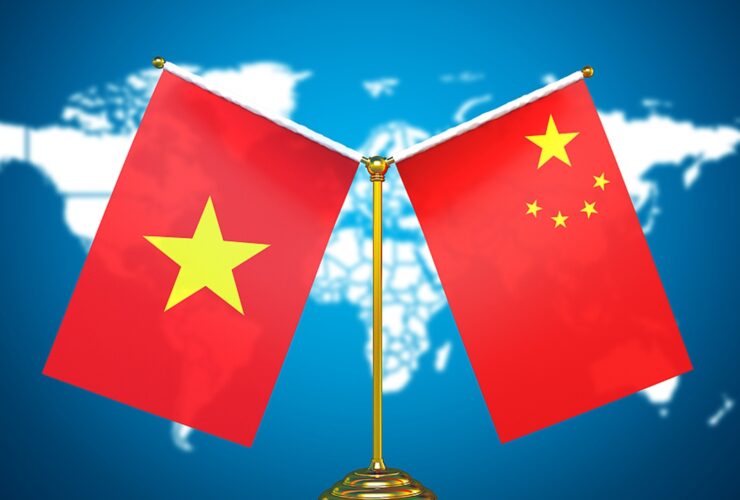
By Mehmet Enes Beşer In a world that is grappling with an evolving geopolitics order—defined by frayed multilateralism, economic nationalism, and intensifying great-power competition—the evolving China-Vietnam relationship has another tale to tell. Too often seen in the narrow context of their border conflicts and historical challenges, Sino-Vietnamese relations are being constructed in low-key style as a pragmatically rooted, forward-looking relationship ...
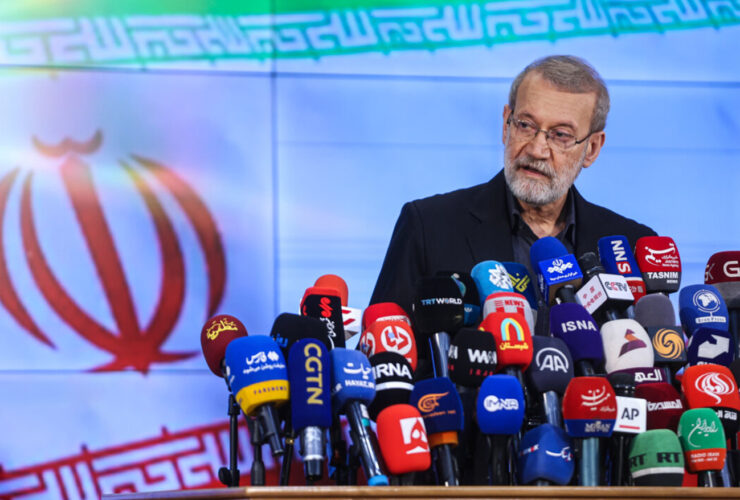
Over the past year, Iran has been going through an extremely turbulent period. A full-scale 12-day war—which, despite the killing of senior Iranian military commanders, ultimately turned into a powerful demonstration of Iran’s missile capabilities and deterrence—was followed by severe economic turmoil that led to a sharp depreciation of the national currency and widespread public protests. In addition, a quasi-coup ...
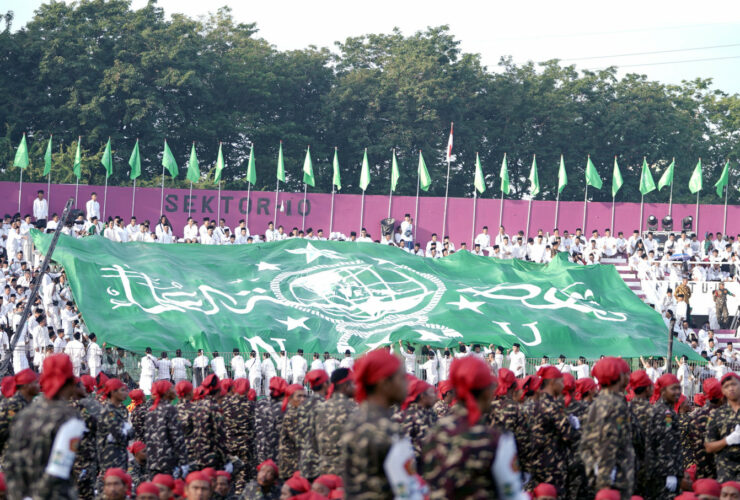
By Ahmed Mahmoud, Columist & managing editor at Ahram Online This title leaped to mind as I sat down to write this article about the roundtable discussion organized by the Hiwar Center for Political and Media Studies and the Embassy of Indonesia in Cairo. I had the honor of moderating this session yesterday at the Diplomatic Club in Cairo, where ...
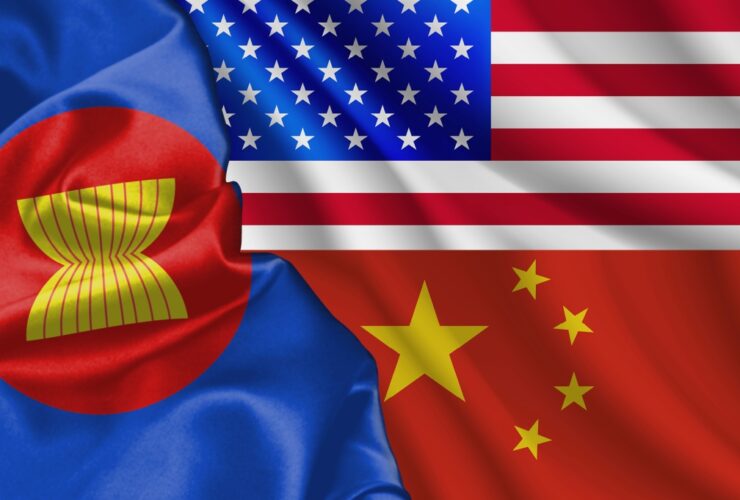
By Mehmet Enes Beşer The United States likes to cite one number boastfully in its relations with Southeast Asia: it is still ASEAN’s single largest foreign investor. On paper, the statistic verifies Washington’s economic significance to a place that is central to global trade and geopolitics. Behind the balance sheets, however, is a more nuanced—and growingly precarious—reality. While US investment ...
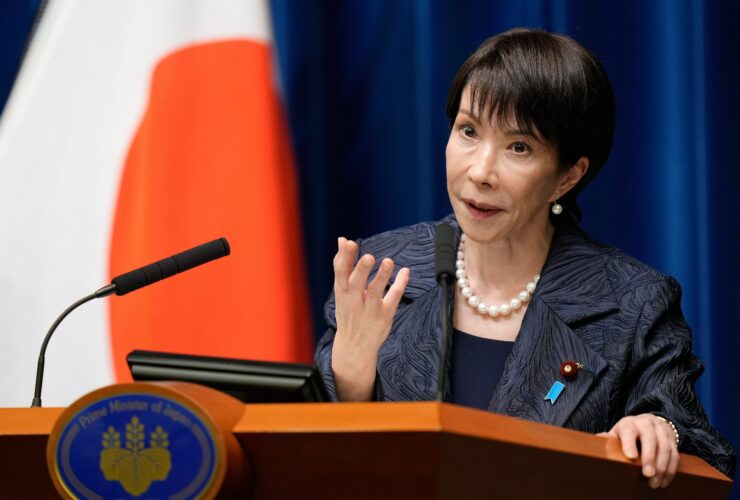
By Orçun Göktürk, President of the Turkish-Chinese Studies Center, from Beijing / China The elections in Japan have concluded. The Liberal Democratic Party (LDP) once again managed to remain at the center of the system and secured a victory that strengthened its power beyond expectations. The coalition led by the Liberal Democratic Party (LDP) won 352 of the 465 seats ...