
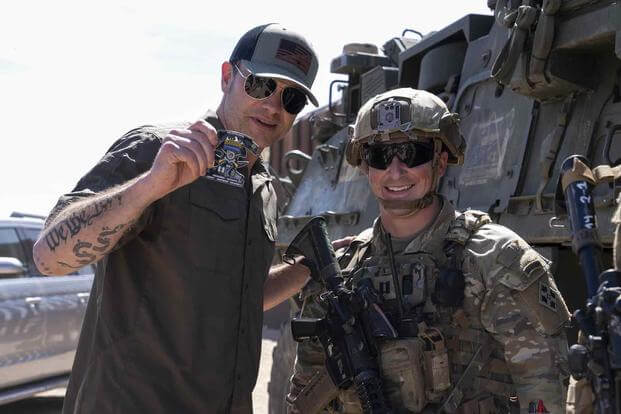
When Donald Trump was outlining his cabinet after being elected and before taking office, he made one decision: the neoconservatives who had caused him so many problems in his first administration would not have a place this time. Thus, he left out, among others, Mike Pompeo, Mike Pence, Nikki Haley, John Bolton, and Elliott Abrams, who had held high-ranking positions ...
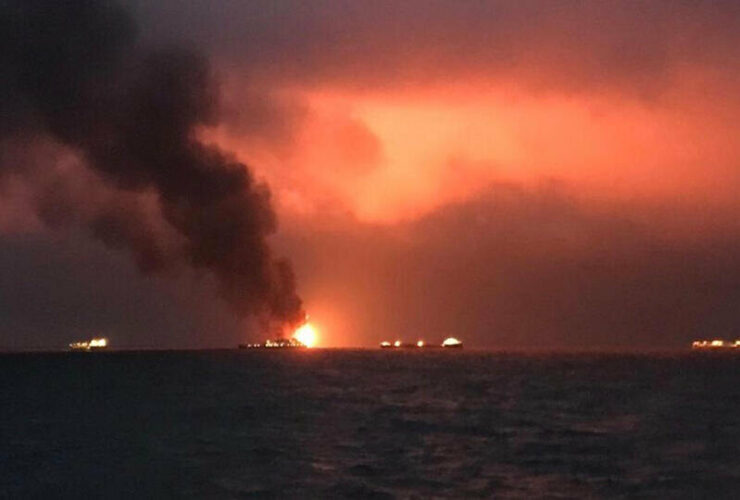
Ukraine has claimed responsibility for attacks on Russian tankers in Türkiye’s Exclusive Economic Zone in the Black Sea. Therefore, these attacks constitute an open violation of Türkiye’s sovereignty by Ukraine. The Turkish Ministry of Foreign Affairs also issued a statement on this matter and condemned these attacks. Targets of attacks in the Black Sea These attacks are driven by a ...
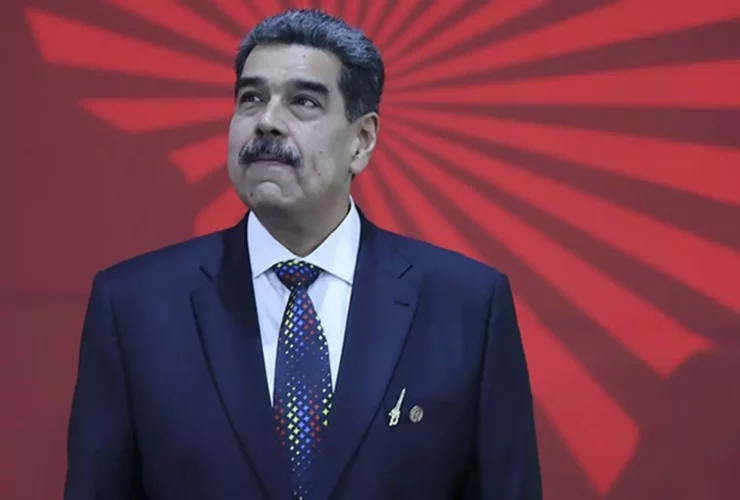
UWI author Yunus Soner provided an interview to Sputnik Türkiye on the recent US threats against and the reaction in Venezuela. Below we present the interview as published by Sputnik Türkiye here. Latin America is on the verge of a geopolitical tremor on a scale not seen in many years. The US’s increasing military and political pressure on Venezuela has ...
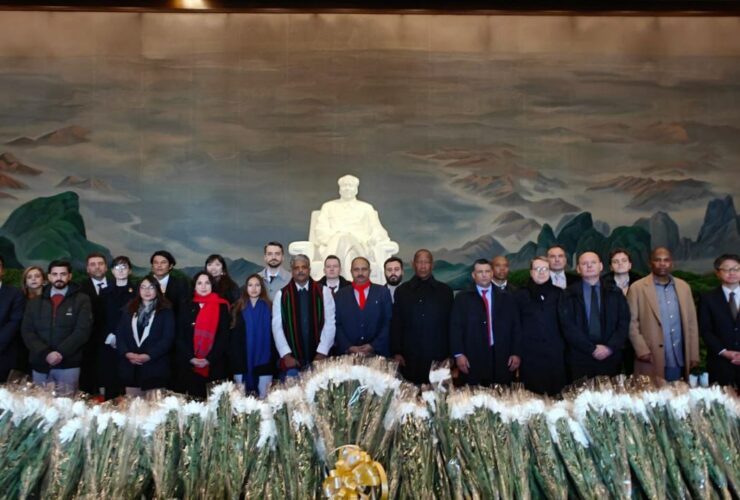
UWI author, historian and political scientist Associate Professor Mehmet Perinçek took part in an 11-day “Workshop for Cadres of Theoretical Research of World Communist Parties, 2025,” held across several cities in China. He attended as a representative of Türkiye’s Vatan Party upon the invitation of the Communist Party of China (CPC). The event brought together a wide range of communist ...
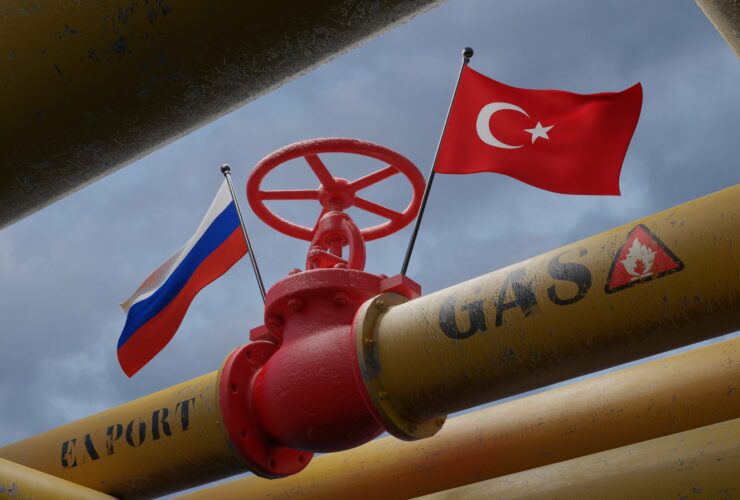
Türkiye’s natural gas import contracts with Russia are set to expire at the end of 2025, and negotiations have accelerated as the deadline approaches. According to Turkish media reports, alongside both governments, Russia’s Gazprom and Türkiye’s state pipeline operator BOTAŞ are still at the negotiating table. As talks between Türkiye and Russia continue, two closely related developments have drawn attention: ...
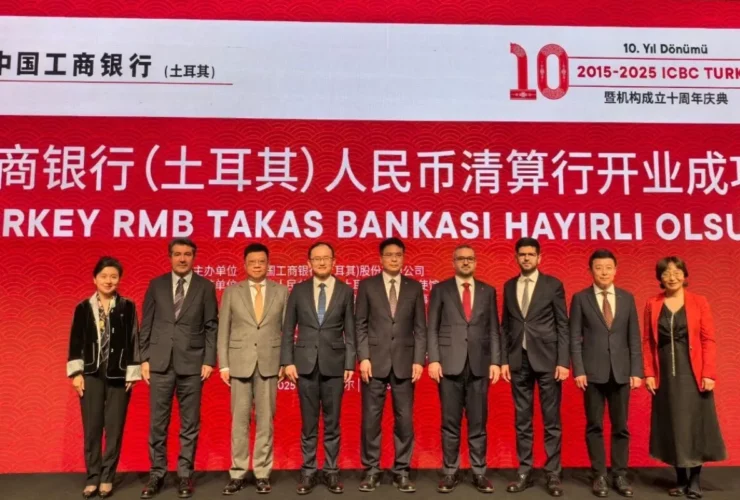
Türkiye and China took a significant step in their economic integration. The first clearing bank in the yuan, the Chinese currency, was established in Türkiye. In November 2025, the first Chinese yuan (RMB) clearing bank in Türkiye was officially launched: The Chinese bank, ICBC, active in Türkiye for 10 years, was authorized to directly conduct operations between the Turkish currency, ...
UWI author and political scientist Onur Sinan Güzaltan answered questions from Sputnik Türkiye. Güzaltan discussed the course of negotiations and the new positions taken by global powers, as well as Europe’s stance and Russia’s diplomacy. The fragmented West and a short-lasting agreement Güzaltan says the divisions inside the Trump team, in Europe, and in Kyiv are hurting any real chance ...
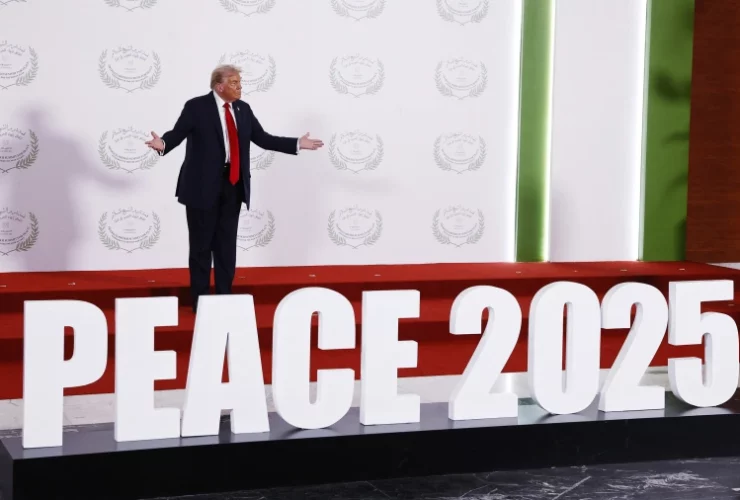
By Adem Kılıç, Political Scientist/Writer With US President Donald Trump’s second term in office, the world has entered a new and significant period of chaos. Of course, there was chaos before the Trump era. However, the chaos brought about by Trump is rapidly taking its place in history as a different reality, emerging in line with the ‘peace through strength’ ...
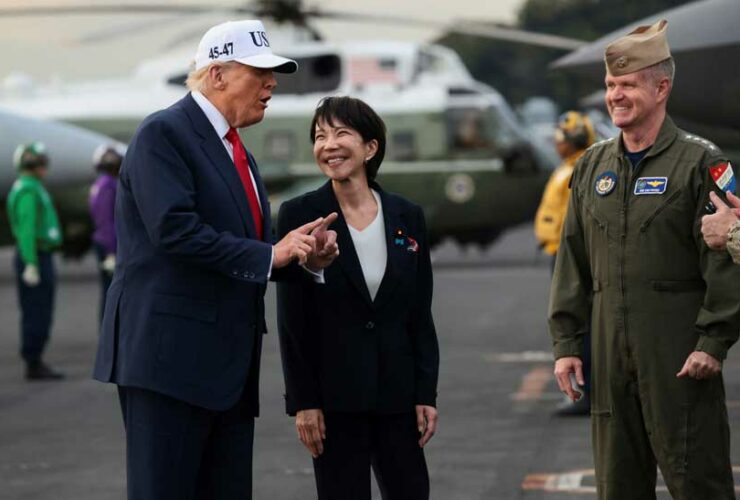
By Kasane Yonemaru Published in Shiso-Undo News October, 2025 On October 20, the coalition government of the Liberal Democratic Party and Nippon Ishin (Japan Innovation Party) was formed, and the following day, the TAKAICHI Sanae Cabinet was launched. This marks the birth of an ultra-reactionary, far-right administration packed with ultra-hawkish historical revisionists and xenophobes, including lawmakers involved in slush funds. ...
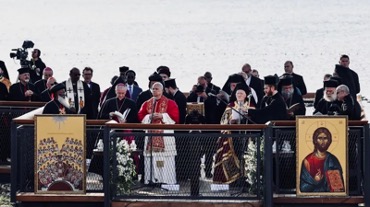
By Dr. Halim Gençoğlu Pope Leo XIV’s visit to Türkiye was planned due to the 1700th anniversary of the First Council of Nicaea, which holds a very important place in Christian history. The council, which convened here in 325, is considered one of the earliest and most significant meetings in which church doctrine was shaped. This visit carries not only ...
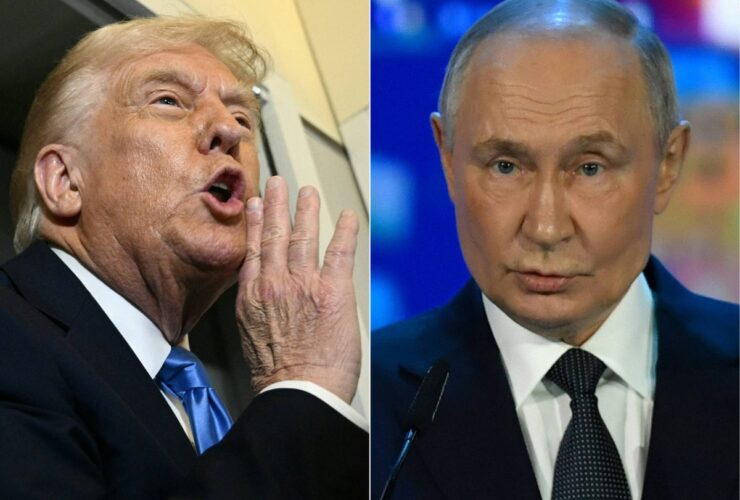
By Yıldıran Acar, Political Scientist The new 19-article peace draft brought to the table in Geneva is being presented in Western capitals as a “diplomatic breakthrough.” However, from Moscow’s point of view, the picture is much clearer: the text does not resolve the root causes of the war; on the contrary, it creates a new framework aimed at constraining Russia ...
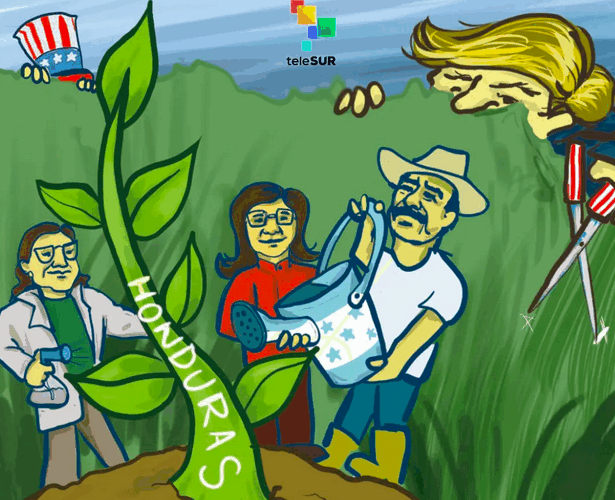
6.5 million citizens are called in Honduras to elect their next president today. Three candidates have chances to win in an election that the US president has turned into his own competition. Already in the recent parliamentarian elections in Argentina had Donald Trump presented his policy. US meddling into elections elsewhere is nothing new, but usually done with some discretion. ...