

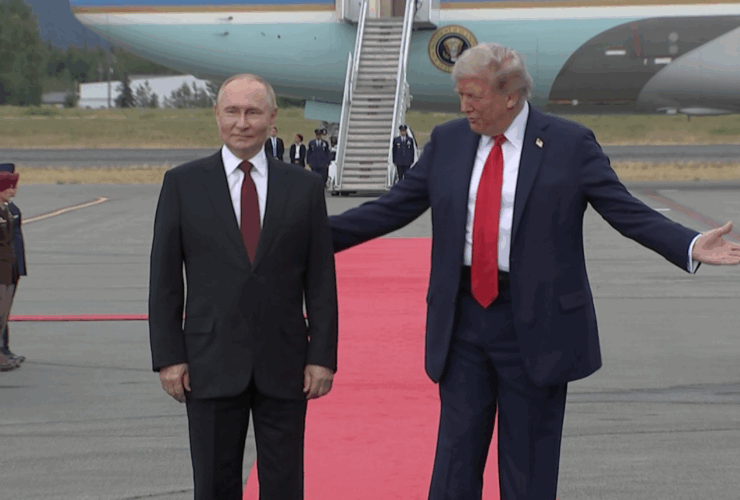
By Sergio Rodríguez Gelfenstein The recent meeting between the presidents of Russia and the United States in Alaska has connotations that go beyond bilateral relations and delve into a perspective of global interest. It is worth saying right from the start of this analysis that the mere fact that the leaders of the two main nuclear powers meet face to ...
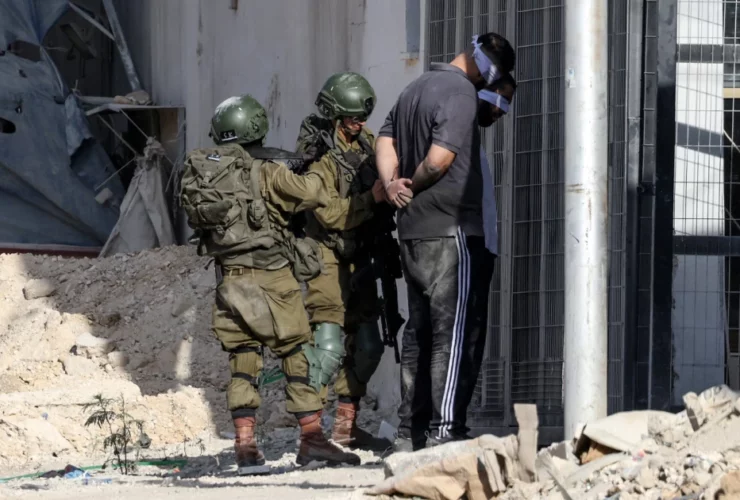
By Mohamed Sabreen, from Cairo / Egypt Western countries have witnessed a state of chaos, confusion, and attempts to cover up and justify the unjustifiable. The genocide in Gaza has stripped away all Western masks, leaving governments and supporters of Israel in a miserable state as they try to explain the secret behind their support for a fascist state and ...
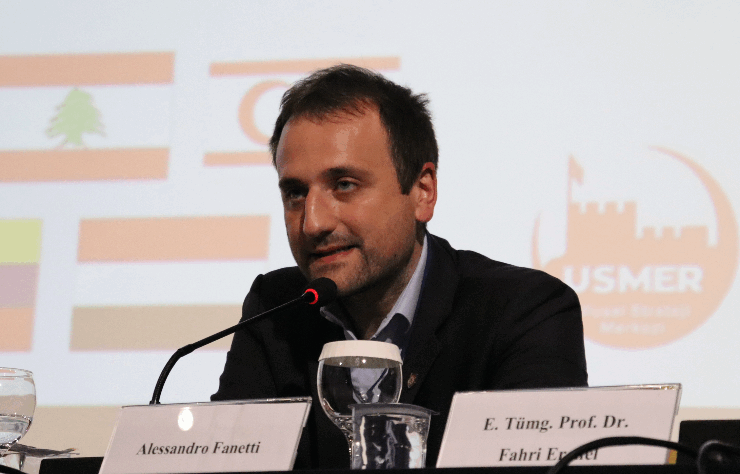
The Center for National Strategy (USMER) has organized an international conference on the Eastern Mediterranean and the Black Sea on July 18 and 19 in Istanbul, Türkiye. Today, we present the speech of Alessandro Fanetti, responsible for Latin America and the Caribbean in the Italian Eurasia and Mediterranean Studies Centre (CeSEM). First of all, I would like to extend warm ...

By Dimitris Konstantakopoulos, from Athens / Greece For the Israeli elite and its media, the protests against Israel’s policies in Greece—especially the demonstrations when cruise ships carrying so-called Israeli “tourists” approach Greek ports—are unbearably irritating. We say “so-called tourists” because many of these passengers are soldiers on leave, resting after the horrific war crimes they commit, which are surpassing the ...
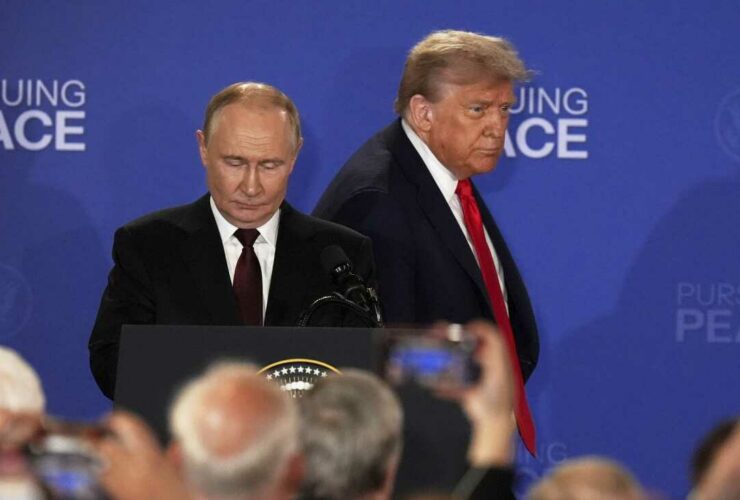
US President Donald Trump and Russian President Vladimir Putin met in Alaska on August 15. Reports indicate that the two leaders discussed a range of issues, with the war in Ukraine at the top of the agenda. UWI author, political scientist Onur Sinan Güzaltan answered our questions about the Trump-Putin meeting. Isolation and sanction policy against Russia has failed. Since ...

A world in turmoil: International relations and transatlantic power balances are changing day by day. The UN system is questioned, the Israeli genocide in Palestine leads to question marks behind international law and basic human moral values. These tendencies have consequences for the domestic shape of countries traditionally known as liberal democracies. We spoke about these issues with Coll McCail, ...
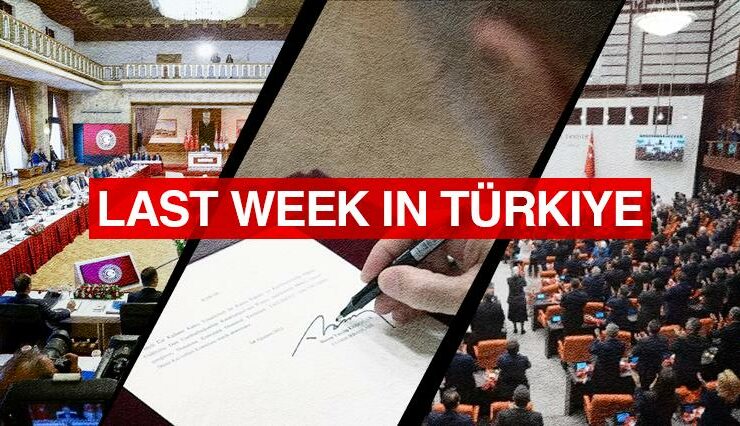
Last week was a busy one in Türkiye’s political agenda. At the top of the list was the first meeting of the parliamentary commission for the “Terror-Free Türkiye”. The commission was named as “National Solidarity, Brotherhood and Democracy Commission”. Another important development was the decisions taken at the Supreme Military Council (YAŞ). And the fake university diploma scandal caused public ...
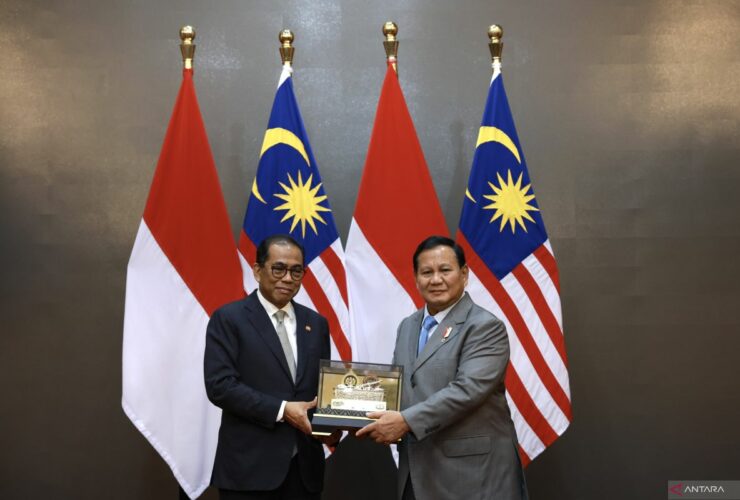
By Mehmet Enes Beşer In the face of increasing geopolitical unpredictability and competition between world superpowers, regional stewardship that maintains mutual trust, shared history, and realist diplomacy has perhaps never been so pressing. Perhaps nowhere is this clearer than in Southeast Asia, an insidiously located region between competing interests—from China’s rising maritime power to the rebalanced Indo-Pacific approach of the ...
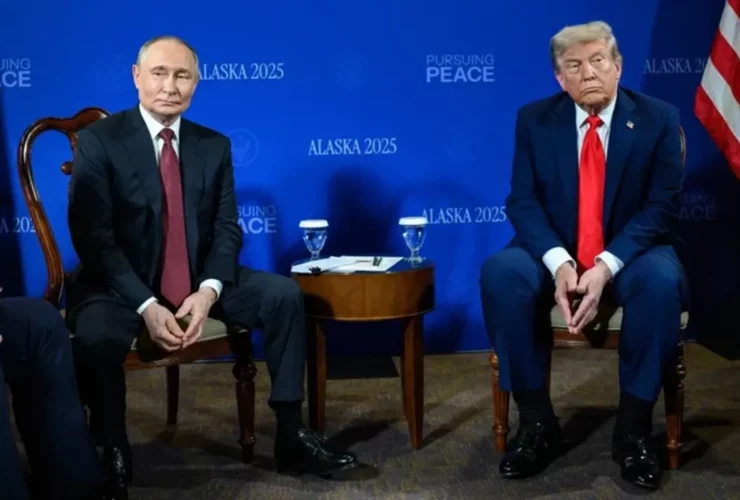
By Yıldıran Acar, Political Scientist The Beginning of the Summit and Pre-Meeting Signals The announcement of the Alaska Summit effectively froze the global political stage. Who would participate, what the agenda would include, and whether the focus would remain on the war in Ukraine or expand to other issues quickly became matters of speculation. The confirmation that the meeting would ...
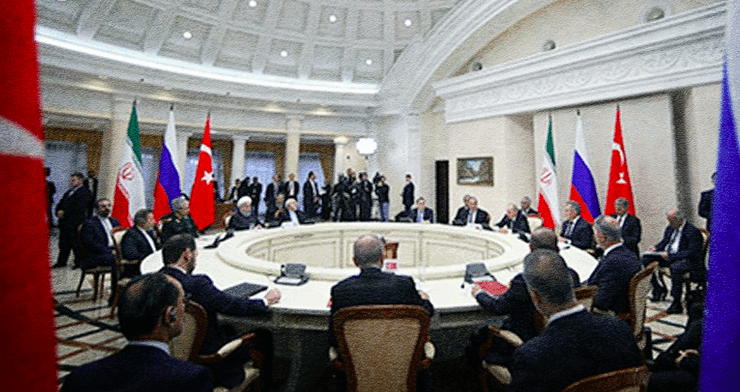
Following Syrian Foreign Minister Esad Shaybani’s visit to Moscow on July 31–August 1, speculation has grown that Russian military patrols may soon return to Syria’s southern regions. Russia’s influential daily Kommersant ran the headline “Syria Misses Russian Soldiers,” reporting that Damascus has asked Moscow to redeploy troops to help guard its borders. According to the paper, the Syrian government requested ...
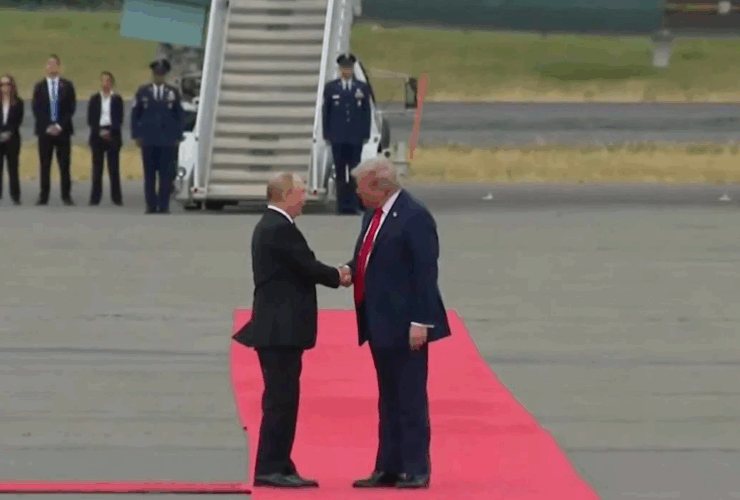
By Adem Kılıç, Political scientist The Trump–Putin Summit in Alaska highlighted many of the impasses surrounding the future of the Russia–Ukraine War, which has been ongoing for three years and has fundamentally changed numerous approaches, from NATO’s structure to perceptions of global security. While headlines about the historic nature of the meeting dominated international media, it was expected that the ...
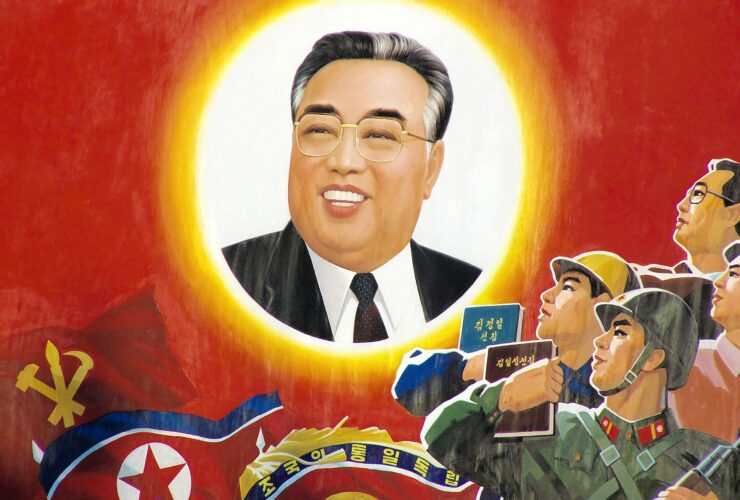
By Sergio Rodríguez Gelfenstein In 1905, Japan invaded Korea and in 1910 annexed its territories by force, ending the Yi Dynasty. Japan used Korea as a supplier of food and a source of cheap labor. The annexation “treaty,” actually a humiliating imposition, stated in Article 1: “His Majesty the Emperor of Korea hereby completely and definitively grants all his sovereignty ...