

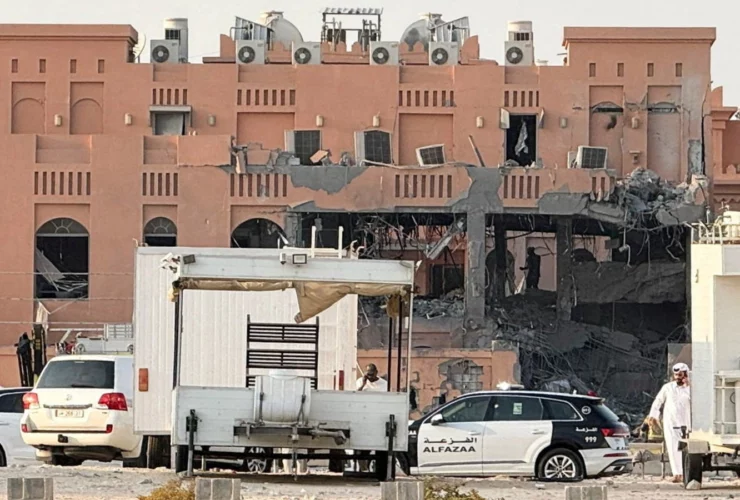
By Adem Kılıç, political scientist Israel’s attacks on neighboring countries such as Lebanon, Yemen, Iran, and Syria, which have been ongoing for nearly two years alongside its genocidal war in Gaza, have taken on a new dimension with last week’s attack on Qatar. Israel has long claimed to operate a “defense doctrine” and to fight against elements that “pose a ...
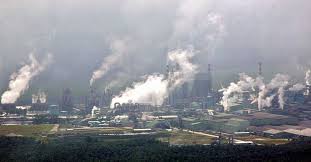
By Mehmet Enes Beşer As the world is speeding towards a catastrophic climate tipping point, the role of the emerging economies has shifted from the periphery to center stage of global climate negotiations. Within this transformation, the ASEAN region has become a test site and a war zone of what climate ambition is in the Global South. As economies grow, ...

By Fernando Esteche, from Buenos Aires / Argentina The results of the district elections held on September 7 in the province of Buenos Aires (which accounts for 40% of the electoral roll) have revealed a crisis that goes far beyond traditional electoral analysis. With a 39% abstention rate and a gap of more than 13 points between Peronism (47.28%) and ...

By Yıldıran Acar, Political Scientist The reports of unmanned aerial vehicles (UAVs) falling near or being detected within Poland’s borders are not merely a transient news item; from Moscow’s perspective, they serve as a signal that will trigger a pre-existing chain of concerns. According to Russian experts, such incidents will further complicate the ongoing discussions surrounding the “security architecture” in ...
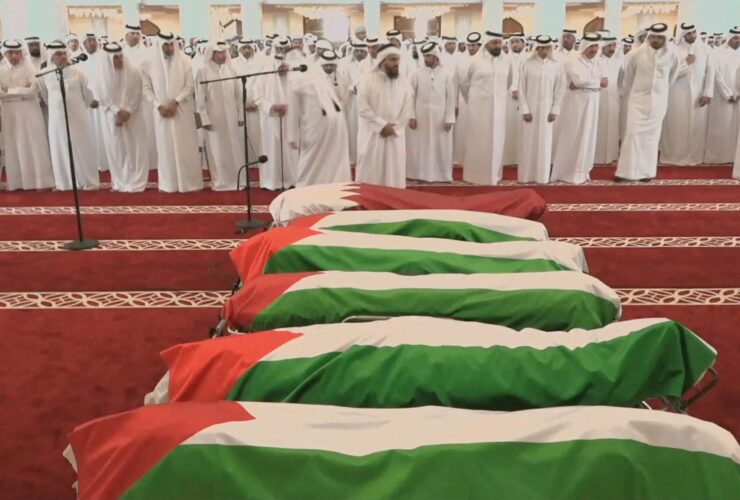
By Islam Farag, from Cairo / Egypt In his angry reaction to the Israeli attack targeting Hamas leaders in Doha, Sheikh Mohammed bin Abdulrahman Al Thani, Prime Minister of Qatar, said that his Israeli counterpart Benjamin Netanyahu had declared his intention to reshape the Middle East, but does the Israel with its attack signal his intent to reshape the Gulf ...
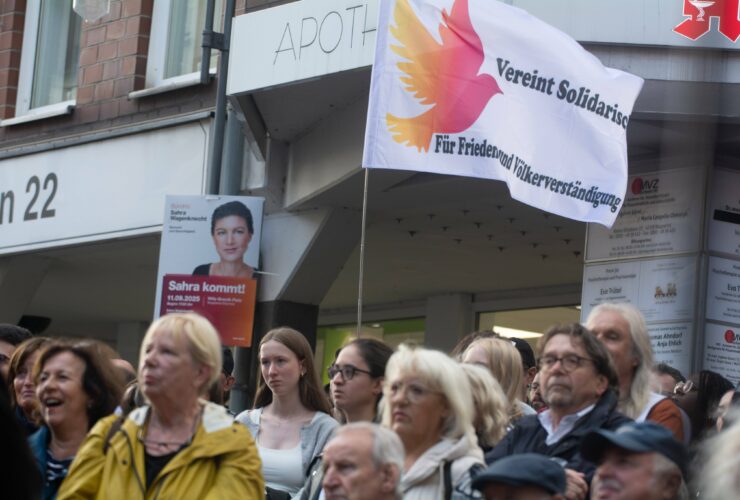
Germany’s state of North Rhine-Westphalia heads to the election on September 14. With only a few days remaining before the election, parties are stepping up their campaigns. One of these parties is the Sahra Wagenknecht Alliance (Bündnis Sahra Wagenknecht – BSW), which narrowly missed the threshold of minimum vote rate for the parliament in the last federal election. The party ...
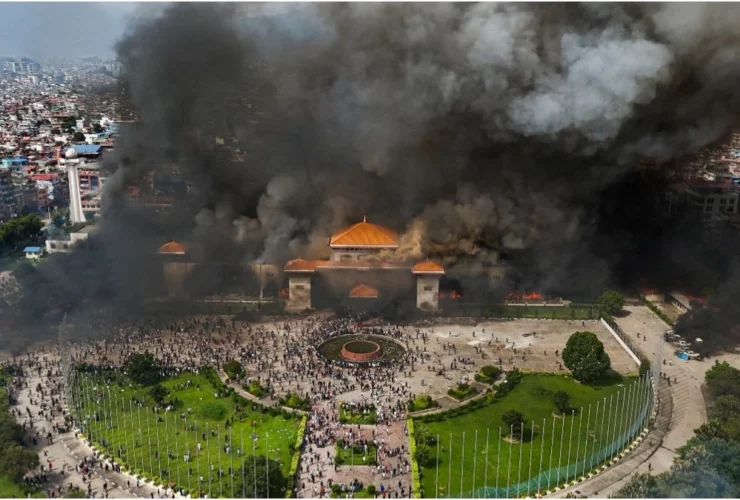
By Özgür Altınbaş Protests that erupted in Nepal, a Southeast Asian country, have escalated into violent clashes. At least 19 people have been killed. The parliament building was set on fire. Protesters targeted government ministers. Nepal’s President Ram Chandra Paudel called for restraint and dialogue. Nepali journalist Rajaram Gautam evaluated the situation. Gautam noted that on the first day, most ...

Crucial elections are scheduled in Moldova for the end of September, during which the country will decide its future course—whether to maintain independence or integrate with Romania, potentially leading to the loss of its sovereignty. The ruling pro-European Party of Action and Solidarity (PAS) favors the latter option, but it remains unclear whether Moldovans will support this path. Recent polls ...
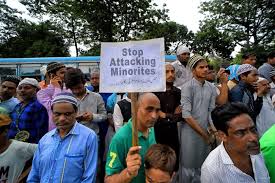
By Mehmet Enes Beşer India, the largest democracy in the world as it is most broadly defined, is fortunate to possess a rich cultural diversity of religions and ethnic groups. Its Constitution ensures equality, secularism, and protection to all citizens irrespective of background. Recent developments have falsified this pluralist nature by exposing an alarming divergence between constitutional ideals and state ...
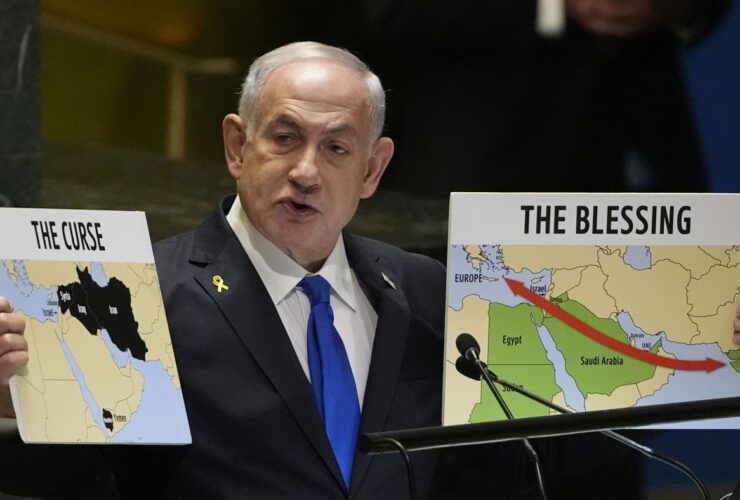
By Mohammad Sabreen, from Cairo / Egypt The Gulf states appear to be in a state of shock following Israel’s aggression against Qatar. They have begun a profound process of reconsidering their view of the occupying state and reviewing their ideas regarding normalization. They have reached a preliminary conviction that they may have gone too far in their delusions regarding ...

Multipolarity appears to be a contemporary concept of struggle. But Tings Chak begs to ffer. According to her, the struggle against unipolarity is as old as the struggle against colonialism, and she emphasizes the Bandung Conference as a major turning point. Here’s what Tings Chak, who is Asia Coordinator at the Tricontinental Institute, told us. You make a point about ...

By Oscar Rotundo* The electoral earthquake of Sunday, September 7, was not a simple tremor; it was a political tsunami that shook the foundations of power. The province of Buenos Aires, that electoral giant that represents 38% of the national electoral roll, became the battlefield where hope dealt a resounding beating to contempt. Javier Milei, that arrogant preacher of the ...