

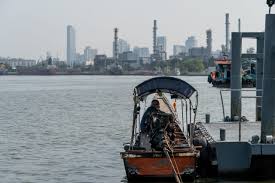
By Mehmet Enes Beşer ASEAN member countries’ energy industries are changing as a result of rising demand, decarbonization requirements, and complex geopolitics. While the region is moving towards cleaner, more inclusive, and more resilient energy systems, the risk diversification challenge—namely addressing structural vulnerabilities and crisis-driven disruptions—acquired an added significance. While pursuit of energy diversification has so far been associated with ...

By Mehmet Enes Beşer The semiconductor competition is today one of the most strategic arenas of U.S.-China rivalry worldwide. The days of arcane technical supply chains and niche policymaking are over, for semiconductors today are the very lifeblood of contemporary economies—and a theater of geopolitical rivalry. The China-U.S. chip war is as much a struggle for technological leadership as it ...

By Mehmet Enes Beşer Throughout the years of heightened strategic rivalry between China and the United States, Southeast Asia is normally portrayed as a geopolitics arena—a theater wherein the two great powers struggle over influence, domination, and strategic depth. That dyadic picture, however, marginalizes the sophistication of Southeast Asian statecraft. Rather than being content to remain mere pawns in a ...
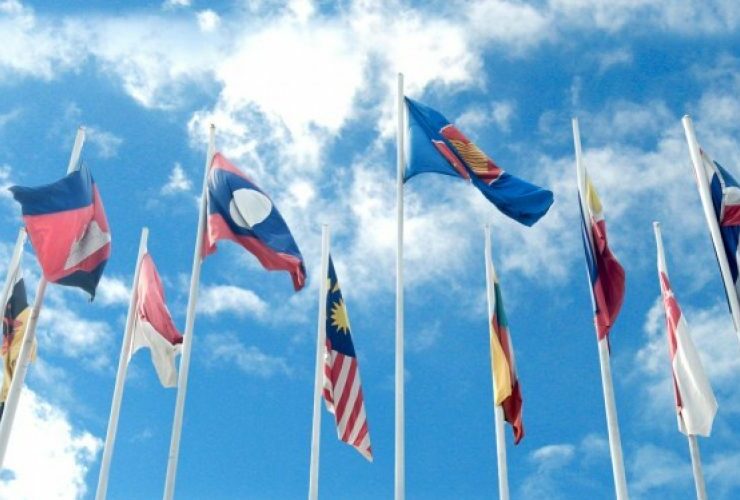
By Mehmet Enes Beşer The economic development journey of ASEAN has conventionally been accounted for by the narrative of trade liberalization, manufacturing performance, and demographic dividends. But as the region is facing the double challenge of post-pandemic recovery and climate change, an even higher level of economic transformation is being outlined—one founded on financial inclusion, green trade, and sustainable natural ...
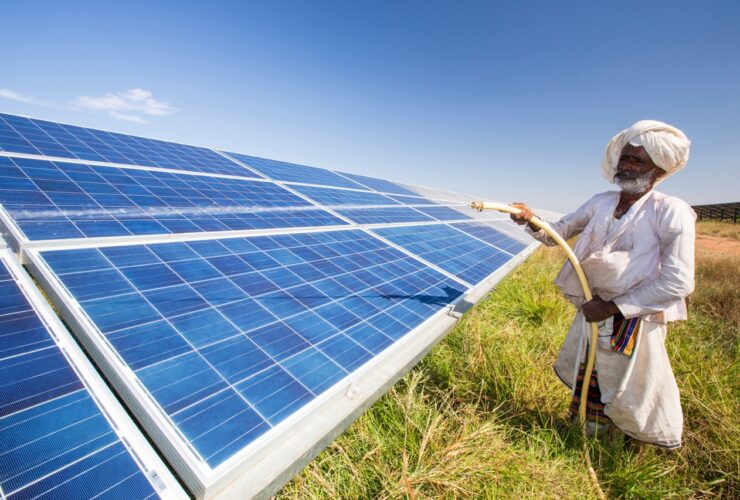
By Mehmet Enes Beşer Basking in the sunshine, increasing electric demand, and international pressure building to transition to cleaner energy, ASEAN is well-placed to emerge as a solar power leader. On Philippine rooftops, on rolling central Vietnamese plains, solar photovoltaics (PV) is one of the most promising green growth paths forward. But with this dormant potential, solar power remains underexploited ...

By Mehmet Enes Beşer Southeast Asia is uncomfortably in the middle of 21st-century great power rivalry. China-US competition speeding up with military interventions, economic decoupling, and competing visions of the region has placed ASEAN countries uncomfortably in the middle. With the South China Sea, cyberspace, and sea lanes as the fulcrums, regional strategic contours are increasingly defined by the hopes ...
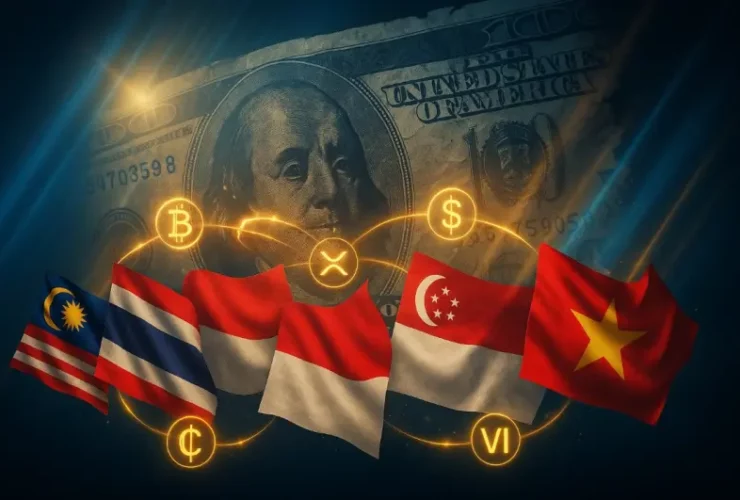
By Mehmet Enes Beşer For decades, Southeast Asian economies have been plugged into a system controlled by the U.S. dollar. In trade settlements and sovereign reserves, in cross-border investments and financial benchmarks, the dollar was not just a currency—it was the linchpin of regional economic integration. But now, across the region—Jakarta to Kuala Lumpur, Bangkok to Manila—stealthy but determined steps ...
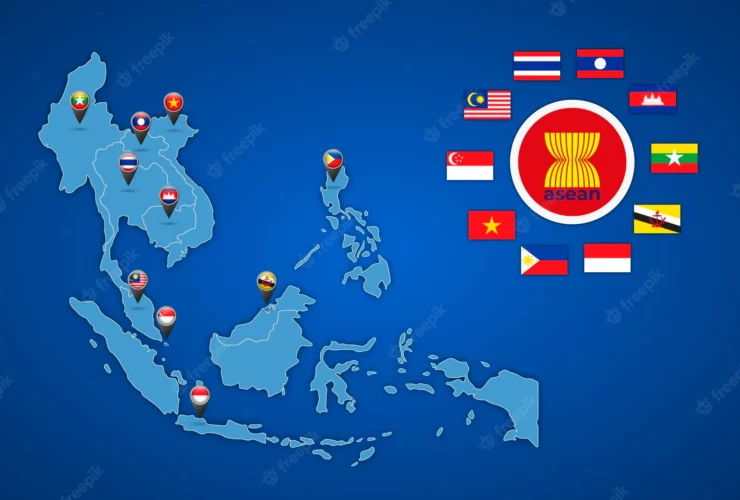
By Mehmet Enes Beşer The persistent trade surpluses of the majority of ASEAN countries are not accidental nor merely the result of favorable global demand. They are the outcome of deliberate, long-term development strategies founded on export-oriented industrialization (EOI)—a model once actively promoted by the very institutions of the liberal international order led by the United States. Ironically, while Washington ...
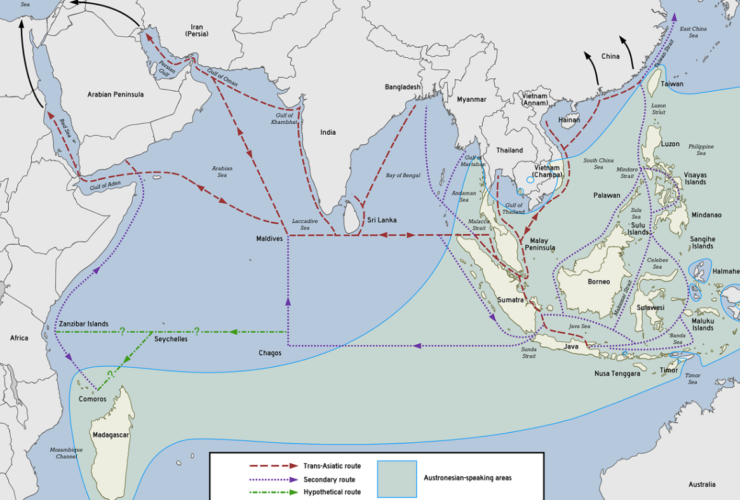
By Mehmet Enes Beşer Southeast Asia is one of the world’s most strategic sea highways where global commerce passes through, strategic rivalries, and environmental risk points meet. From Malacca Strait to South China Sea, Southeast Asian seas are as vital to global economic being as they are to Southeast Asian seas’ diversity for sovereignty and national interests. Ocean Space is ...
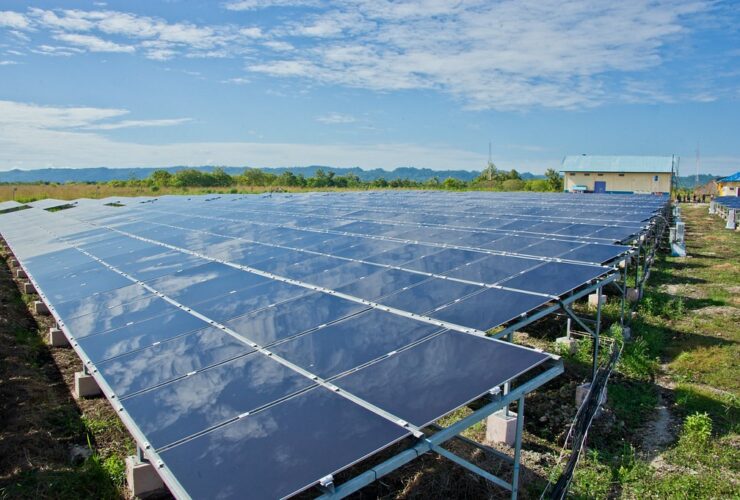
By Mehmet Enes Beşer While the world speeds toward a low-carbon future, the ten ASEAN member states stand at a strategic crossroads. BLESSED with solar, hydro, wind, and geothermal resources, ASEAN is positioned well to ground the enormous potential of its development on renewable power. Painfully lacking clear regional ambitions and growing global interest, the ASEAN switch to renewable energy ...
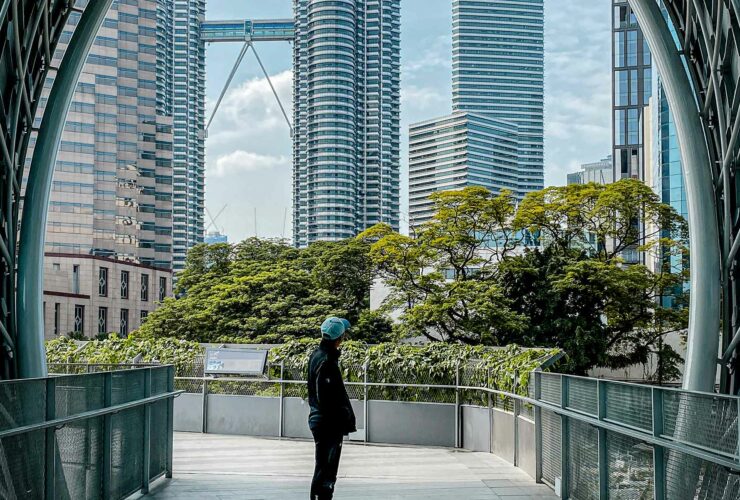
By Mehmet Enes Beşer Urbanization is transforming at a fast pace the population and economic landscape of developing ASEAN economies at all-time highs. From the metastasizing metropolises of Ho Chi Minh City and Manila to Jakarta’s and Phnom Penh’s suburbs, cities are increasingly becoming drivers of growth, hubs of innovation, and drivers of opportunity. But as the region urbanizes, so ...

By Mehmet Enes Beşer In the face of mounting global pressure towards a binding plastic pollution treaty, ASEAN finds itself at a weak juncture—a testament to its economic ambitions as much as its environmental vulnerabilities. The region, having long been a strategic hub in global production and supply chain maneuvering, now increasingly sees itself becoming perceived as a pressure point ...