

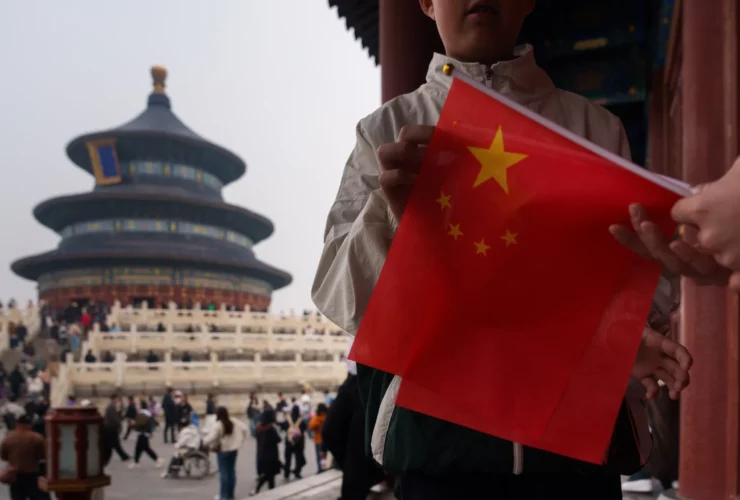
By Özgür Altinbaş China has recently experienced significant diplomatic traffic. All leaders of the United Nations Security Council permanent members have visited China within a six-month period. The visits of US President Donald Trump and Russian President Vladimir Putin also drew considerable attention. We discussed this process with Chinese journalist (CGTN) Xu Yawen and Han Hua, co-founder and Secretary-General of ...
By Azar Mahdavan, from Tehran / Iran In recent years, alongside the intensification of tensions in the international system, the position of Russia and China in Iran’s security and strategic calculations has drawn greater attention from public opinion than ever before. Some speak of a “strategic partnership” and even a protective “umbrella” provided by Moscow and Beijing, while others warn ...
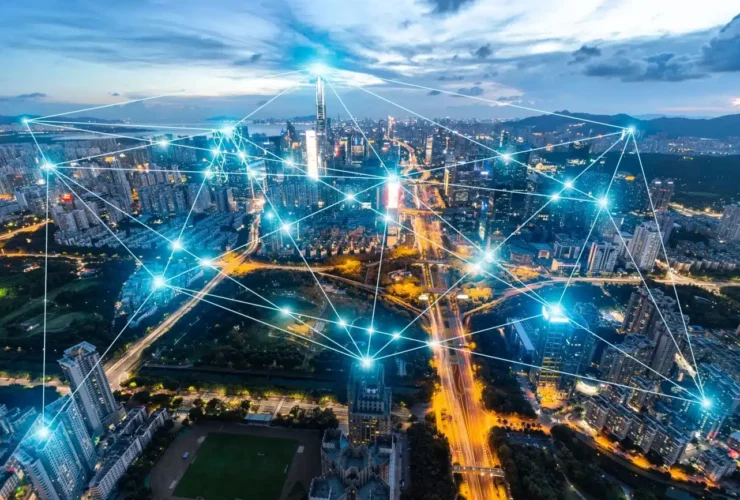
By Mehmet Enes Beşer With a vision to be among the highest priorities of the Belt and Road Initiative (BRI), China’s Digital Silk Road (DSR) has been slowly piercing Southeast Asia. From the underwater mosaic of cables and cloud hubs to e-commerce platforms and smart city technology, the DSR has been Beijing’s master plan for digital interconnectivity, standards, and influence ...
UWI author and political scientist Onur Sinan Güzaltan gave a presentation on the consequences of the Iran/US-Israel war and possible future developments at a conference titled “Energy and the Global Economy: Its Significance and Impact in the Aftermath of the Ukrainian and Middle East Crises” organized by the Russian House International Relations Club in Mumbai, India. We present Güzaltan’s speech ...
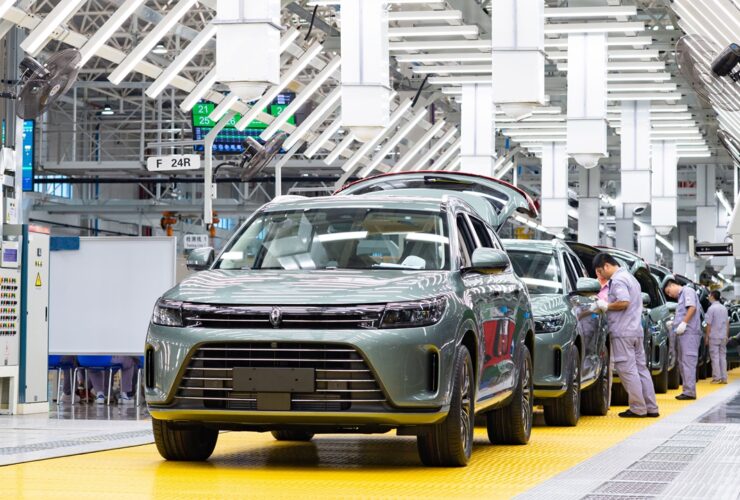
By Mehmet Enes Beşer China’s abrupt emergence as a global player in new energy vehicle (NEV) exports is one of the most dramatic trends in the automobile industry today. No longer held to be the “world’s factory” for low-cost manufacture, China’s rise as an international player in the electric vehicle market is testament to deep-seated structural potential—first and foremost, its ...
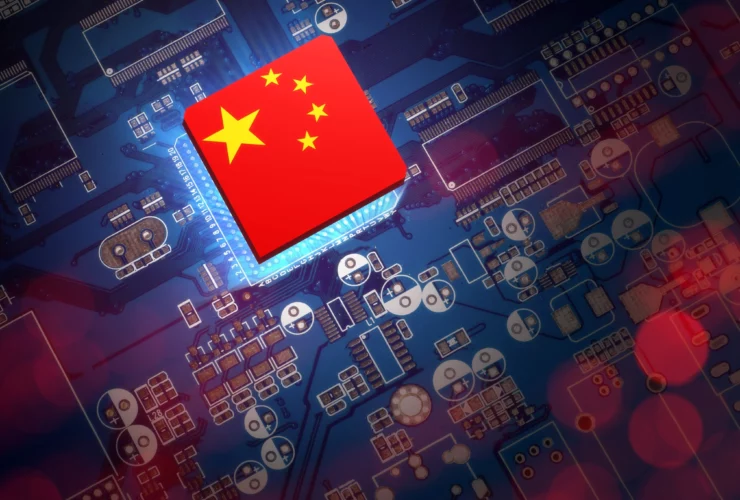
By Mehmet Enes Beşer Where semiconductors are as strategically important as oil once was, global competition for technological superiority has placed new stress—and new fault lines—on the microchip supply chain. But in the face of increasing decoupling and technological competition sound bites, China has a rival message: one of contribution, integration, and cooperation. Instead of being merely a consumer and ...
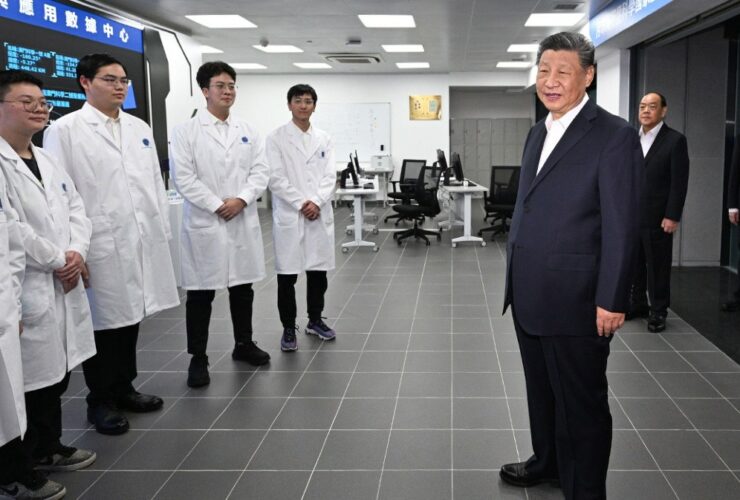
By Mehmet Enes Beşer In a time of technological upheaval and scientific advancement, the global talent war is as essential as the pursuit of capital or influence. Those nations that are able to lure, retain, and empower the best minds will determine the future of innovation and economic dominance. Amidst changing geopolitical configurations and increased competition, China has emerged as ...
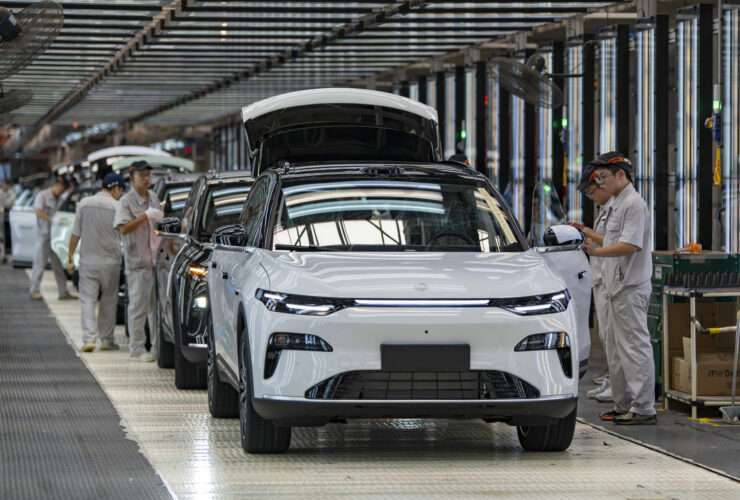
By Mehmet Enes Beşer Southeast Asia is at a juncture as the global decarbonization race is gaining momentum. It possesses an increasing, rapidly urbanizing population, burgeoning energy needs, and exposure to climate change impacts. In its journey towards developing a greener future, it must look towards the latest, mass-market technology. The most revolutionary change in this area has been the ...
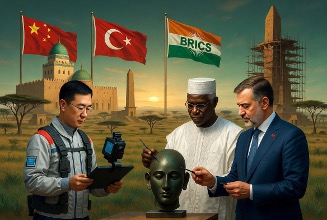
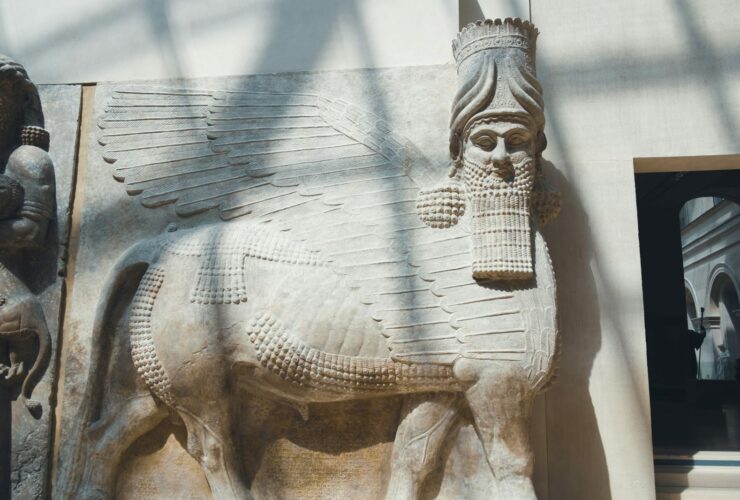
One of the most devastating actions of European colonialism towards Africa was the physical removal of cultural heritage from the continent. During the 1897 British Punitive Expedition, the palace of the Kingdom of Benin was looted, and more than 3,000 bronze and ivory artifacts were taken to London. Today, approximately one thousand of these works are in the British Museum, ...
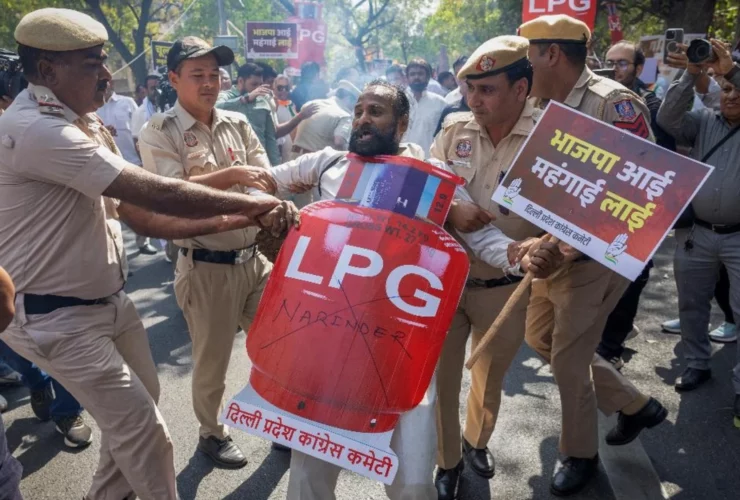
By Orçun Göktürk / President of the Sino-Turkish Studies Center The war launched against Iran following the assassination of Iran’s Supreme Leader Ali Khamenei on February 28-carried out by Washington and Tel Aviv while negotiations with Tehran were still ongoing-has now exceeded its first month. The operations initiated under Trump’s “regime change in Iran” strategy continue in the face of ...

The war that began on February 28 with US/Israeli airstrikes on Iranian cities continues. The boundaries of the war, both in terms of time and geography, remain unclear. It is likely to prolong and spread… The conclusions from the first act; 1. The US/Israel failed to achieve their strategic objectives regarding Iran (overthrow of the regime, Color Revolution, ethnic uprisings, ...
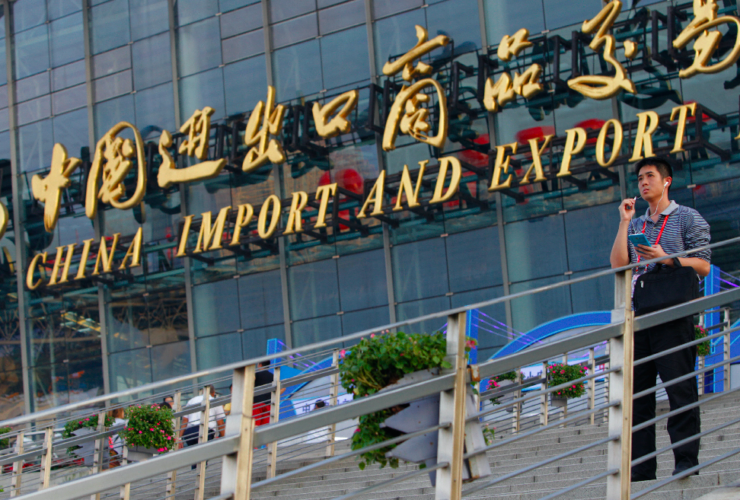
By Mehmet Enes Beşer China’s economic rebound since the pandemic has been patchy, paradoxical, and sometimes misleading. While macroeconomic metrics—exports, manufacturing production, and state-led infrastructure investment—blink flashes of strength, the foundation of the rebound remains weak. Maybe nowhere is that weakness more evident than in the country’s treatment of its 300 million migrant workers. These workers, who have driven China’s ...