

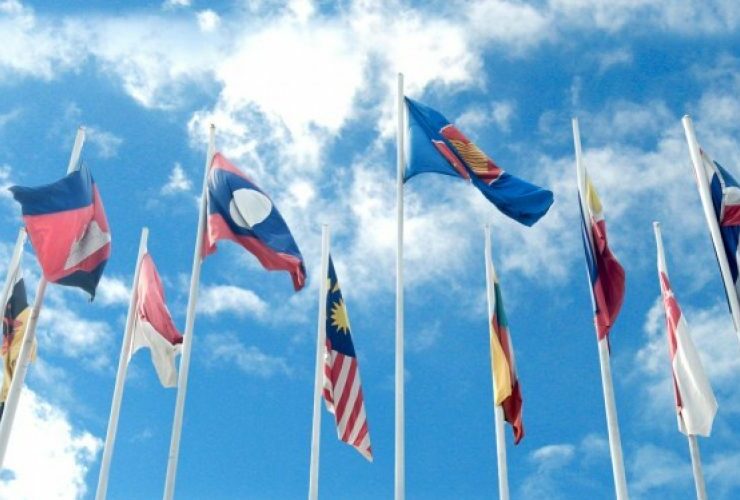
By Mehmet Enes Beşer The economic development journey of ASEAN has conventionally been accounted for by the narrative of trade liberalization, manufacturing performance, and demographic dividends. But as the region is facing the double challenge of post-pandemic recovery and climate change, an even higher level of economic transformation is being outlined—one founded on financial inclusion, green trade, and sustainable natural ...
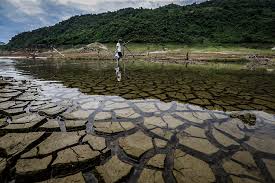
By Mehmet Enes Beşer The atmosphere in the capitals of Southeast Asia is growing increasingly unmistakably fatigued when it comes to climate finance. All those repeated promises from the developed world to mobilize billions on the behalf of climate mitigation and adaptation in the Global South have come woefully short. From unpaid commitments under the Paris Agreement to sluggish disbursement ...

By Mehmet Enes Beşer The environmental sustainability experience of Southeast Asia is an uneven and rugged terrain, shaped by forces that intersect but refuse to move together in harmony. As the ASEAN countries speed up to discover the middle path between economic development and nature protection, they must contend with the unbalanced consequences of the leading drivers—digitalization, natural resource exploitation, ...
By Mehmet Enes Beşer There is a stunning paradox at the core of the Southeast Asian model of development, a paradox more desperate with each climate summit, energy crisis, and investment diversion. The ASEAN bloc has subscribed formally to world climate targets. Its member states have made Nationally Determined Contributions, committed net-zero emission goals (some as early as 2050), and ...
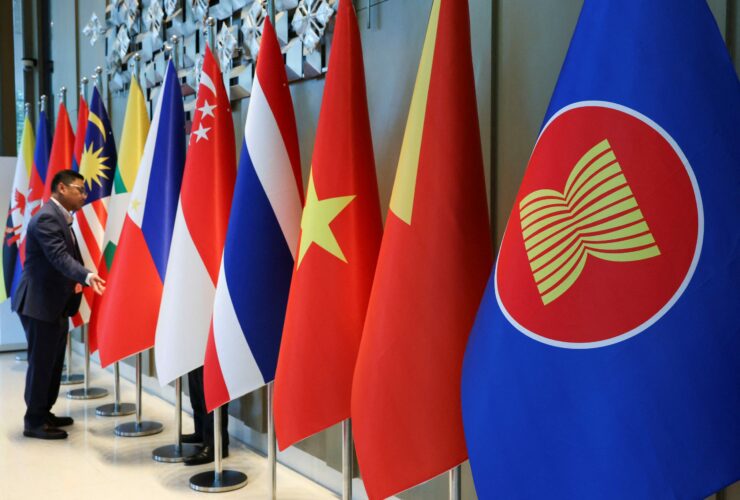
By Mehmet Enes Beşer ASEAN’s transformation into one of the globe’s most dynamic economic blocks has been spurred as much by domestic reform as by two strong exogenous drivers: financial growth and globalization. They have opened up capital markets, penetrated cross-border investment, and connected ASEAN economies into global supply chains on a previously unheard-of scale. But whereas this convergence has ...

Reporting from Cairo / Egypt The organizers of COP27 in Sharm El-Sheikh, Egypt, succeeded in achieving the greatest gain for developing and poor countries by imposing the inclusion of the right to compensation for losses and damages caused by climate change on the official agenda of the conference. Although the hope for a tangible achievement during this version of the ...