

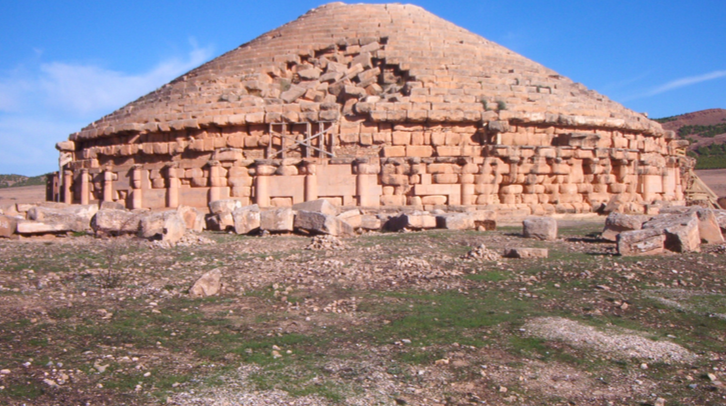
By Sahifa Sharif, archeologist All colonial societies aimed for one thing and only one thing, erase the identities of colonized countries and diminish their civilization to the animal rank, France was not against this ideology, it was one of the countries that celebrate this unhuman ideology and even practiced it in the field. The colonization of Algeria in 1830 by ...
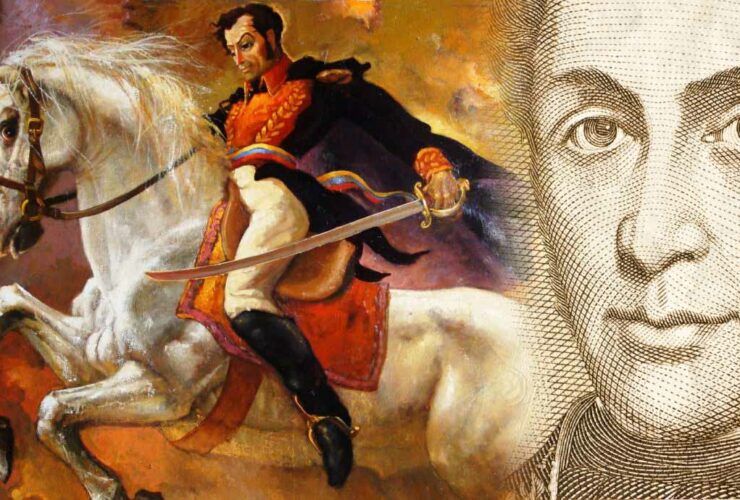
From Caracas / Venezuela The United States’ military incursion into Venezuela is an expression of the interventionist tendencies that have characterized that country almost since its founding in 1776. A cursed race, born from impoverished Europeans expelled from their homelands and imbued with a supposed divine gift that, according to them, made them a people chosen by God, set about ...
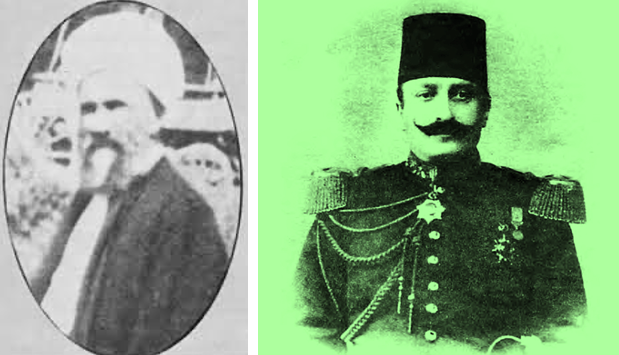
By Dr. Halim Gençoğlu Sino-Ottoman relations, while often perceived as marginal due to geographical distance and the absence of sustained formal diplomacy, in fact rest upon a much deeper historical background that extends to the early interactions between the Turkic–Islamic world and China through the Silk Road, Muslim trade networks, and religious exchanges dating back to the medieval period. Although ...

By Tolga Dişçi We conducted an extensive interview with Prof. Dr. Franco Cardini, one of Italy’s foremost living medieval historians, who continues to teach at the University of Florence. Cardini provided our questions with deep and detailed answers, blending current events with historical perspective. In the first part of this two-part interview, Cardini shares his views on the current state ...
By Mehmet Enes Beşer In an increasingly bipolar global order—autocracy vs. democracy, West vs. East, United States vs. China—Vietnam doesn’t fit quite so well. Honed to high definition by the press into either China’s potential enemy in the South China Sea or, conversely, as a natural ally in socialist solidarity, Vietnam is neither. Hanoi-Beijing is an old and mature relationship ...
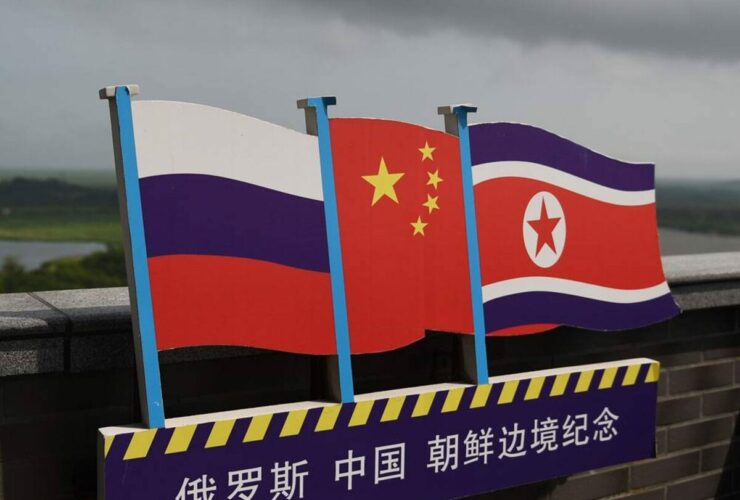
By Mehmet Enes Beşer China’s bilateral relations with Russia and North Korea in East Asian geopolitics have been instrumental in defining the region’s past and present. Founded on common ideologies and interests, their relation remains pertinent in foreign policy and in China’s regional stability strategy. China’s bilateral ties with Russia and North Korea have been strategic alliances in recent years, ...

Many people may think that the conflict between the United States and China is recent and that characterizing it as a “trade war” helps explain its essence, but neither is true. Exalting this confrontation within the framework of these two particularities leads to analytical errors and, to a greater extent, flaws in understanding the phenomenon and erroneous conclusions about it. ...
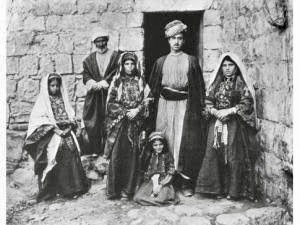
The ongoing Palestinian struggle for independence has been a central issue in the Arab world for over a century. From the early years of the British Mandate over Palestine to the ongoing Israeli occupation, the Arab world has consistently opposed the displacement and occupation of Palestine, voicing their support for Palestinian liberation through a variety of means. The period between ...
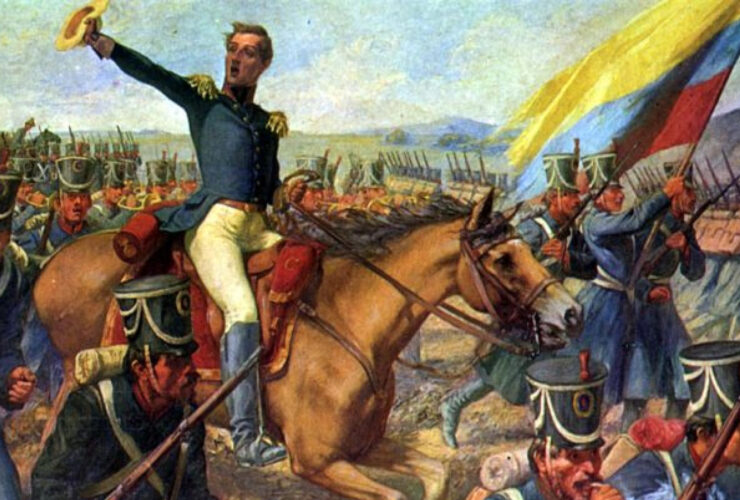
When the Liberator Simón Bolívar arrived in Peru on September 1, 1823, he found himself in a very complicated scenario. There were strong contradictions between José de la Riva-Agüero and the Marquis of Torre Tagle. The country had two presidents, two governments and two Congresses. In Colombia, although the situation was better, there were also difficulties that delayed the authorization ...

“We will not make the great future we are looking for, If we do not know the great past we had.” Commandante Hugo Chávez January 15, 2006 By Sergio Rodriguez Gelfenstein A few weeks ago, I listened to a press conference and an interview with Jorge Rodríguez. In both news events, the president of the National Assembly of Venezuela explained ...

By Sergio Rodriguez Gelfenstein In 2015, Yemen, a country unknown to many in the West, began a war in defense of its sovereignty that was being threatened by an interventionist alliance led by Saudi Arabia. The Yemeni people had to pay with the lives of almost 400,000 of their children to maintain their independence. Many people have wondered how it ...
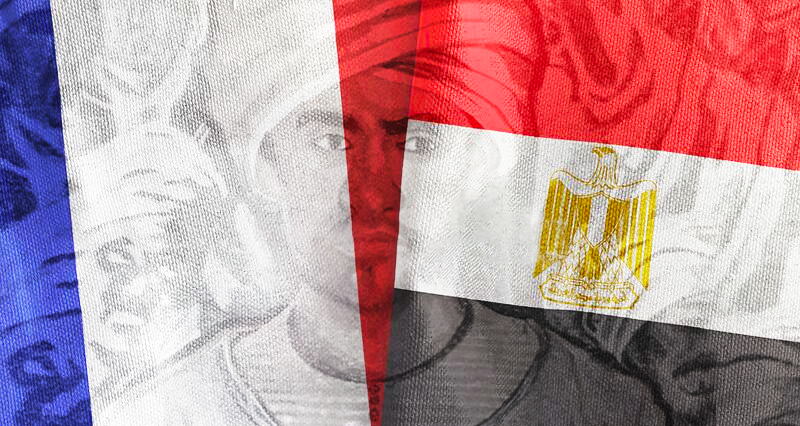
In 1798, the French, under the leadership of Napoléon Bonaparte, invaded the Ottoman province of Egypt. That same year, the British defeated the French navy at the Battle of Abukir. Nevertheless, the French retained a presence in Egypt until 1801, when they were forced out of the territory by joint British Ottoman forces. In 1799, Napoléon led an expedition into ...