

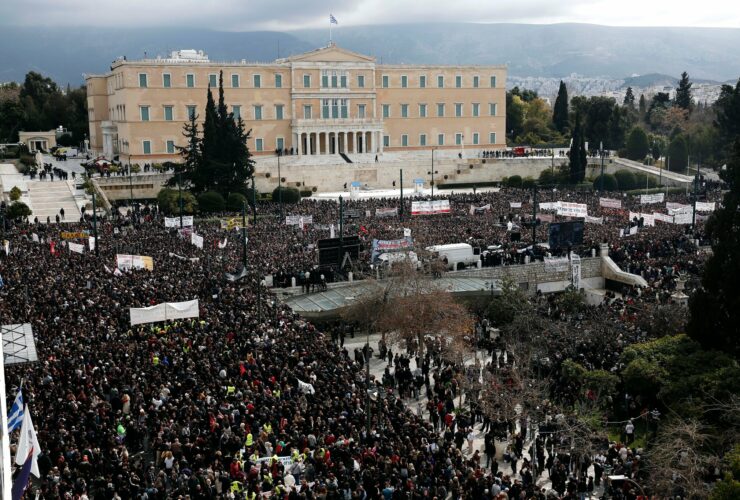
In recent years, Greece has found itself navigating an increasingly complex geopolitical landscape, balancing its historical alignment with the NATO and Western powers against mounting regional tensions in the Eastern Mediterranean. At the heart of this dynamic lie not only the country’s relations with Türkiye, but also the growing role of Israel and shifting strategies in the broader Middle East. ...
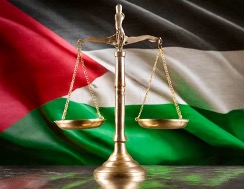
When the Israeli-born Jewish academic Prof. Dr. Israel Shahak said, “The Nazis made me afraid to be Jewish; the Israelis made me ashamed to be Jewish,” he was questioning the legal identity of the state of Israel. Similarly, the American linguist, philosopher, and political activist of Jewish origin, Noam Chomsky, describes Israel’s practices in the occupied Palestinian territories as “far ...
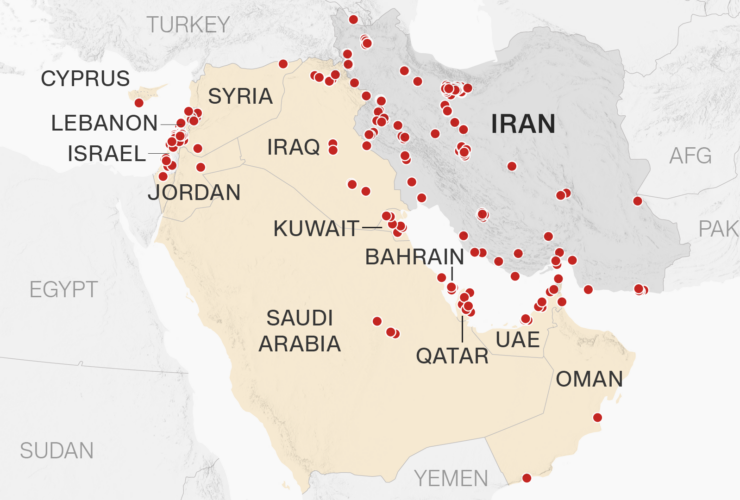
From Cairo / Egypt With the successive strikes hitting the Gulf states since the outbreak of the American-Israeli aggression against Iran, many are wondering whether the transformation of these countries into a battlefield—in a war to which they are not a party—might force them to align with the aggressors against Tehran. The Reshaping of the Middle East Before the outbreak ...
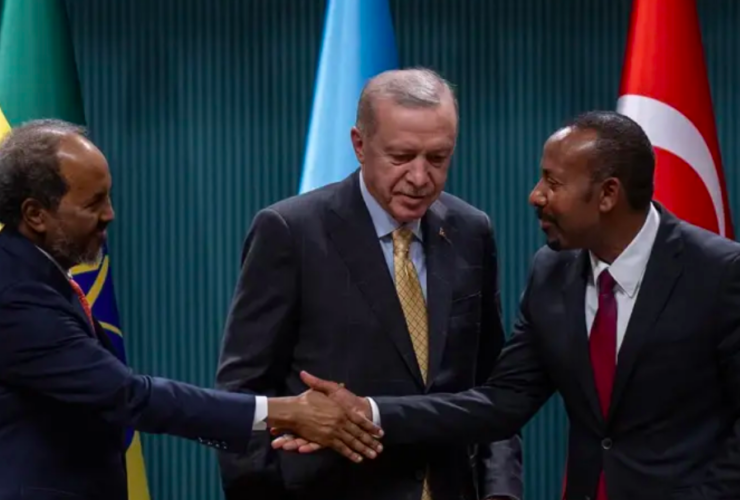
By Adem Kılıç, Political Scientist President Recep Tayyip Erdoğan’s visit to Ethiopia last week, following visits to Saudi Arabia and Egypt, signaled not only a diplomatic engagement but also a new phase in Türkiye’s Horn of Africa strategy. The timing of the visit was particularly noteworthy, coming after Israel’s decision to recognize Somaliland and the resulting expectations of geopolitical shifts ...
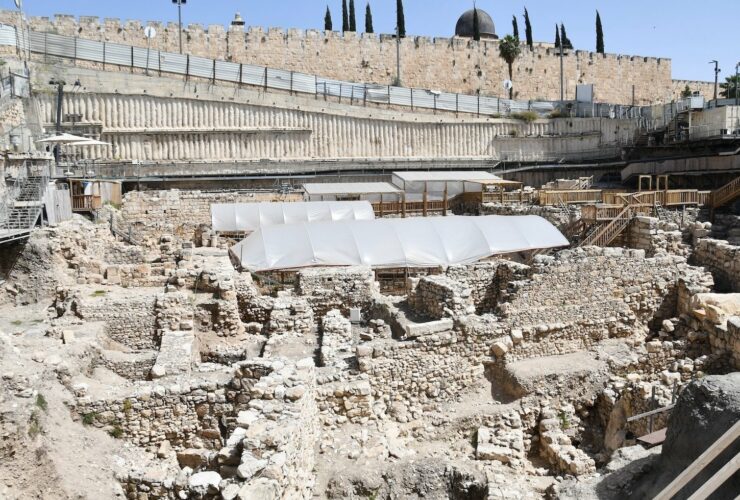
By Gökalp Erbaş Israel is using its archaeological excavations in the Silvan neighborhood of East Jerusalem not only for historical findings, but also as a strategic tool to displace Palestinian communities and alter the identity of the area. The Silvan town of occupied East Jerusalem has become the center of a systematic Judaization operation carried out under the guise of ...
From Cairo / Egypt As the American aircraft carrier USS Abraham Lincoln plows through the waters of the Middle East, carrying the omens of a military operation that could be the largest in decades, Gulf capitals are experiencing a state of silent diplomatic mobilization. This mobilization is no longer rooted in anxiety born of weakness, but rather in strategic maturity ...
The map in Syria has changed. The PKK/SDF, backed by the US for decades, has been forced to pull out of key strategic positions it has been controlling in northern Syria following a military operation launched by the Damascus government. Control over oil fields, border areas, and fertile agricultural land has now shifted to Damascus. So what happened? Why did ...
By Mohamed Sabreen, from Cairo / Egypt Sometimes crises intertwine and interests intersect, providing the Middle East with a “window of opportunity” to move forward. This was achieved during the unique partnership between King Faisal and President Sadat. The Cairo-Riyadh understanding contributed to the unification of the Arab states, which led to the great October War of 1973. At the ...
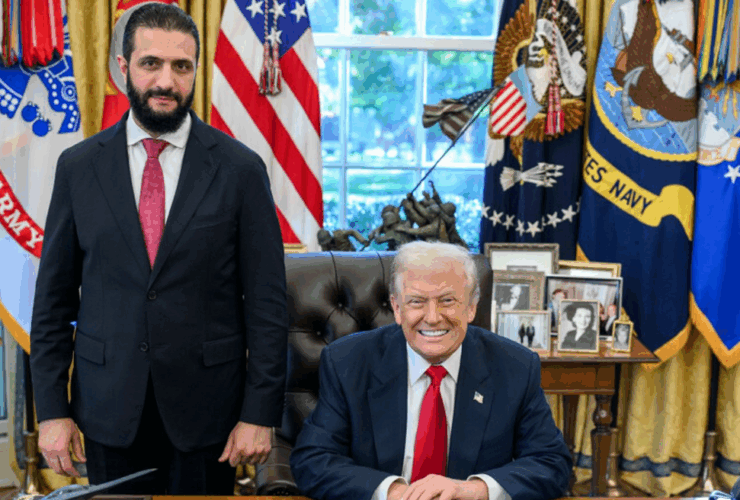
The outcomes of Al-Sharaa’s White House visit indicate that the US is moving rapidly to implement its Greater Middle East Project 2.0. I summarized the main outlines of this project, as announced by US Ambassador to Ankara and Special Envoy for Syria Tom Barrack, in an article I wrote last week as follows: 1. Normalization between Türkiye and Israel through ...
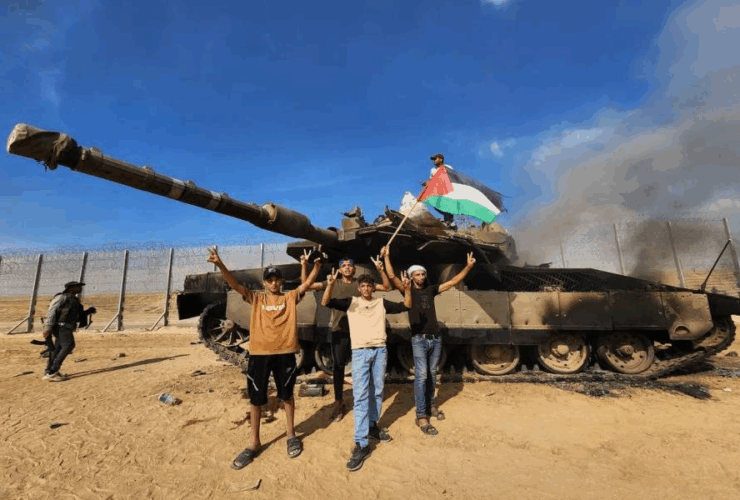
By Mohammed Sabreen, from Cairo / Egypt The moment seems fleeting, and the allure of reshaping the regional order in the Middle East to Israel’s advantage hangs heavy in the air. But if the past is any indication of what is to come, Israel’s attempt to eliminate all its adversaries will not end well. Undoubtedly, the regional order in the ...
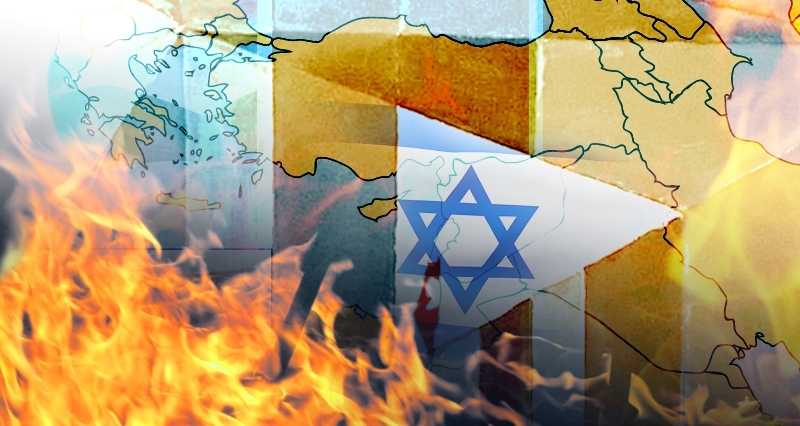
By Adem Kılıç, Political Scientist/WriterThe war in Gaza has been temporarily halted by the show of force in Sharm el-Sheikh. However, it should be noted that this is not actually a peace agreement, but merely a ceasefire agreement. This is because, although US President Trump announced that the process had moved to its second phase, there is no roadmap for ...
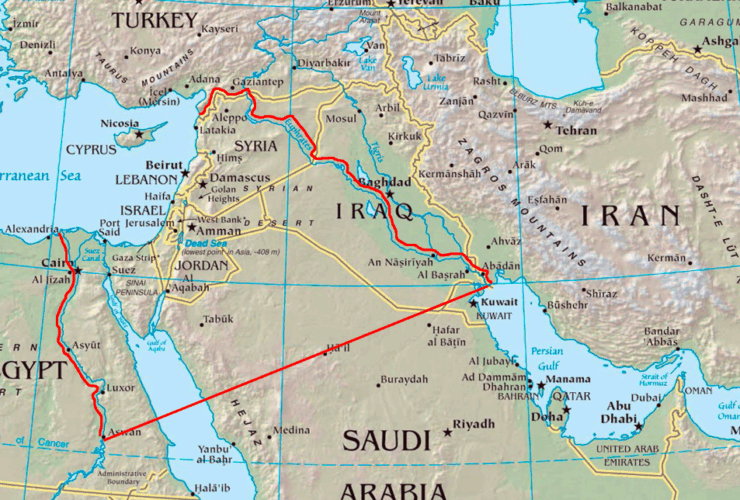
By Adem Kılıç, Political Scientist/Writer The remarks made by Tom Barrack, the US Special Representative for Syria, in recent months that ‘the Sykes-Picot era is now over’ have undoubtedly sparked a new debate. While some commentators suggest that this is an admission that Western hegemony in the region is now being dismantled, I have opposed this view from the outset ...