


By Mitsuko Sakagami, from Japan Published in Shiso-Undo, March 2026 The fiscal policy of the TAKAICHI Sanae administration is said to be a revival of “Abenomics” by the former prime minister ABE Shinzo, but the situation has changed significantly. Abenomics was built on the “three arrows”—monetary easing, fiscal stimulus, and growth strategy—but the arrow that ran through the entire policy ...
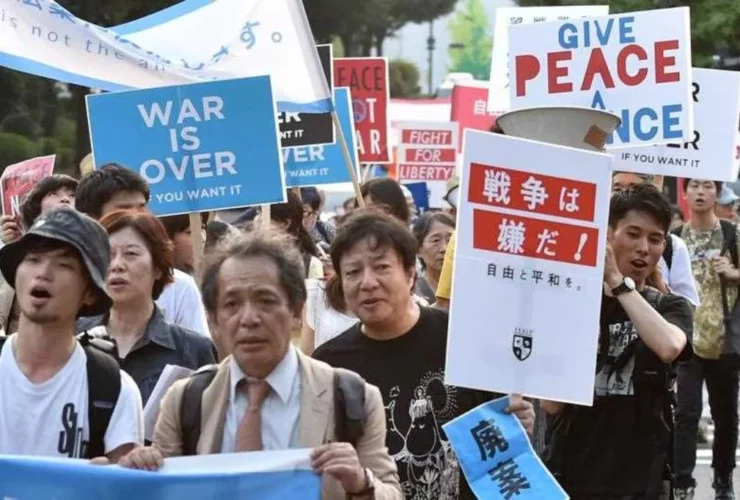
Published in SHISO-UNDO NEWS No. 182 Participants:Akira Fujiware (School Worker / Moderator) Shozo Hirono (Activist Group Shiso-Undo) Hiroshi Inagaki (Shiso-Undo Editorial Department) Hideto Osaka (Local Government Non-Regular Worker) Kazuhiro Okie (International Politics Researcher) Kasane Yonemaru (Part-Time Office Cleaning Worker) Aiko Fujimoto (Public Sector Worker) The Takaichi Sanae administration maintains high approval ratings Fujiwara: Right now, across every sphere—politics, economics, military, ...
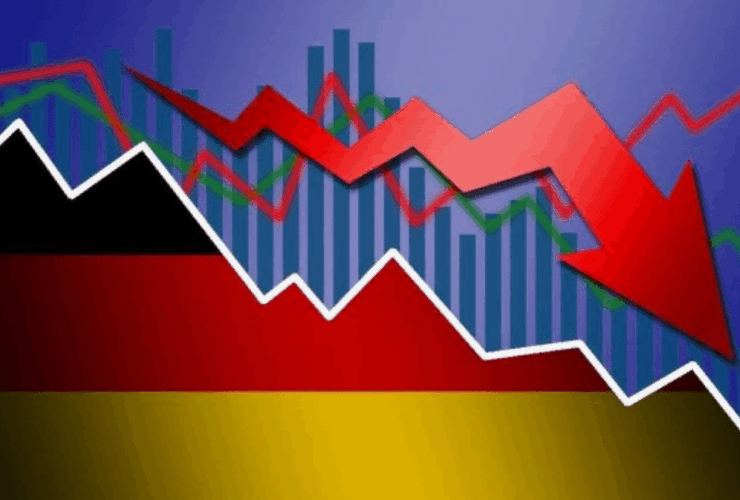
I first went to Germany in the summer of 1989. My last visit was in 2016. In 2016, I went to many cities and towns, giving numerous conferences in different regions. In total, I might have travelled close to 20 times to this country. Earlier this month, after a decade-long break, I was back in Germany again for two conferences ...
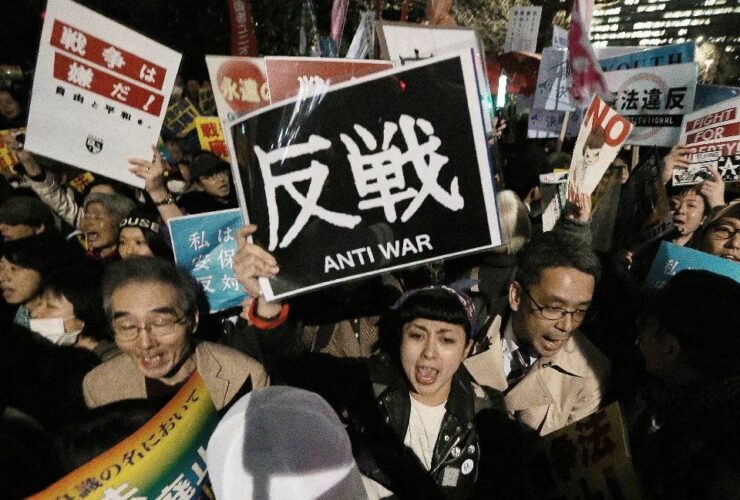
By Aiko Fujimoto Following the crushing defeat in the Upper House election, Prime Minister Shigeru Ishiba announced his resignation on September 17, with the LDP leadership election set for October 4. During this period, opinion polls showed that while some believed “there was no need to resign,” more than “he should resign.” Multiple “Don’t Resign, Ishihara!” demonstrations were held in ...

Conflict and militarization is advancing in the policies and practices of the European Union and NATO. But social resistance is also increasing. We spoke about the political context of militarization, its connection to Israel and actions against it with Lichen Ullmann, coordinator of the Vredesactie, a Belgian NGO struggling against militarization. Where do you see the political context of militarization ...
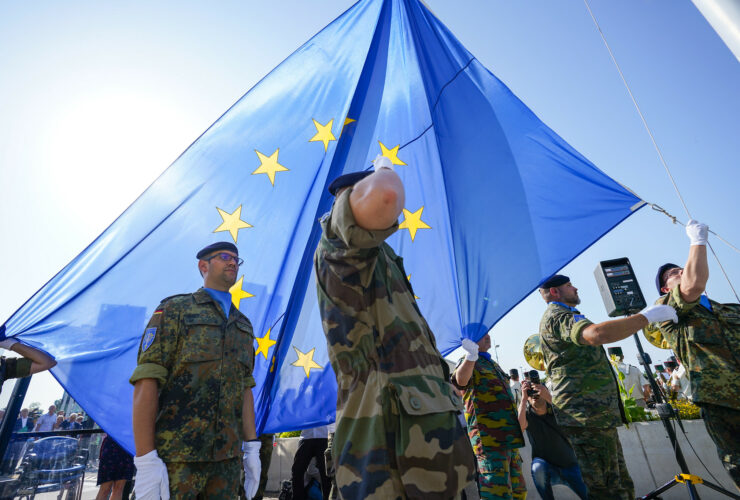
By Gökalp Erbaş There is much debate about the possible economic effects of Europe’s rearmament. When examining the discussions on this topic, the most critical question seems to be: Has there been a structural change in the economic function of the arms industry from the past to the present? The arms industry actually works to produce security, which is a ...
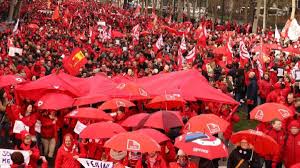
From Brussels / Belgium We are continuing our interview made in Brussels, Belgium, with European representatives and their views on NATO and militarization. Today, we asked Hillal Sor for his opinions. Sor is Secretary General of the metalworkers’ Trade Union within the General Labour Federation of Belgium. His trade union has 130,000 members and is the leading representation in the ...
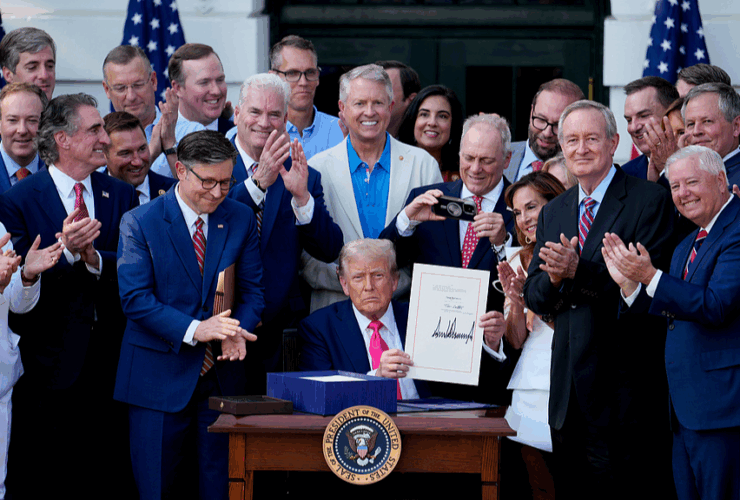
By Fernando Esteche The approval of “The One Big Beautiful Bill” by the US Congress in July 2025 reveals a fundamental paradox: the United States responds to its decline not with structural reforms, but with unprecedented militarization and domestic policies that deepen its internal contradictions. The current situation reveals multiple fractures that go beyond traditional partisan polarization, manifesting in open ...
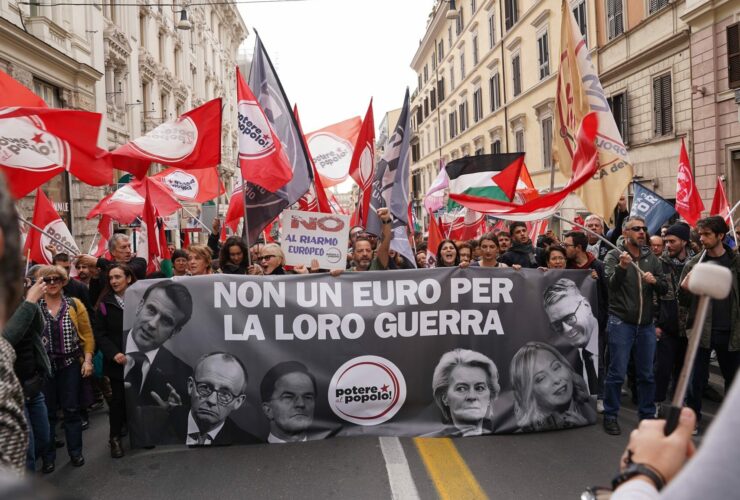
Europe’s NATO defense ministers agreed to increase military spending to 5% of GDP. Secretary General Rutte told Chatham House that “even when the war in Ukraine ends, the threat will not go away” and called on “Washington’s European allies” to increase their air and missile defense budgets by 400%. The European Commission has recently announced that its post-Covid-19 recovery fund ...
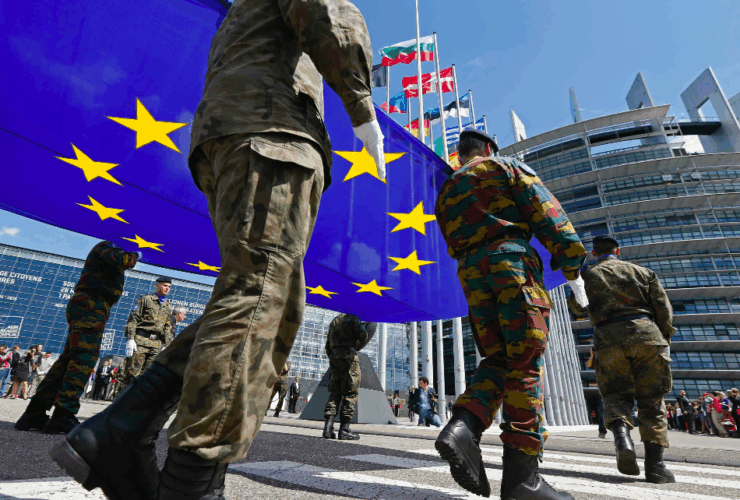
by Nil Malyguine (Communist Party of Switzerland) The dream of a united Europe has undoubted power over people’s minds. Indeed, it is hard to say that a ‘common European home’ is a bad thing a priori. Who would not want to live on a continent without borders, where one can travel from Moscow to Lisbon freely and without restrictions? Who ...

By Ali Rıza Taşdelen Over the past five years, France has seen no major mass movements or widespread protests in response to social and economic crises. The last significant wave of popular mobilization was the Yellow Vests movement, which began in October 2018 and peaked in 2019 with mass demonstrations against pension reform. The COVID-19 pandemic in 2020–2021, followed by ...
By Ali Mercan, Frankfurt / Germany The coalition talks between the Christian Union (CDU-CSU) and the Social Democratic Party (SPD) entered an intense phase during the second week of April. The fluctuations in public support reflected in the latest polls have increased pressure on both sides. It is said that the results of the coalition negotiations would be announced during ...