

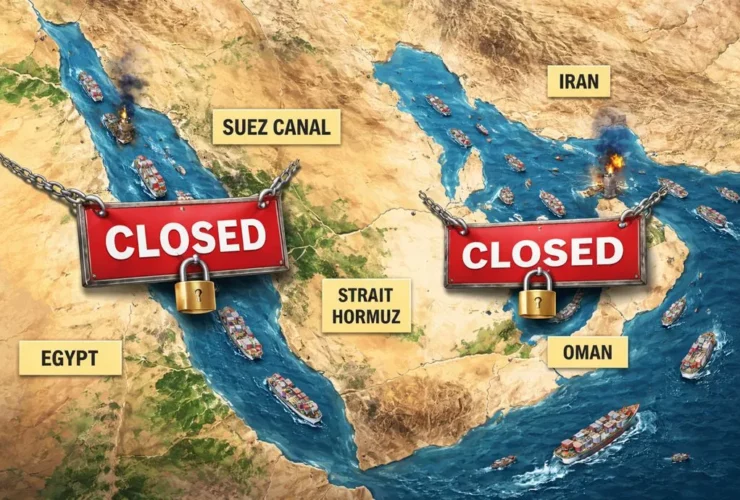
First published on the website “mavivatan.com” The year 1956 stands as one of the major breaking points in modern geopolitics. The Suez Crisis began on July 19, 1956, when the United States withdrew financing for the Aswan Dam in Egypt. It escalated on July 26, when Egypt’s revolutionary leader Gamal Abdel Nasser nationalized the Suez Canal. Britain and France perceived ...
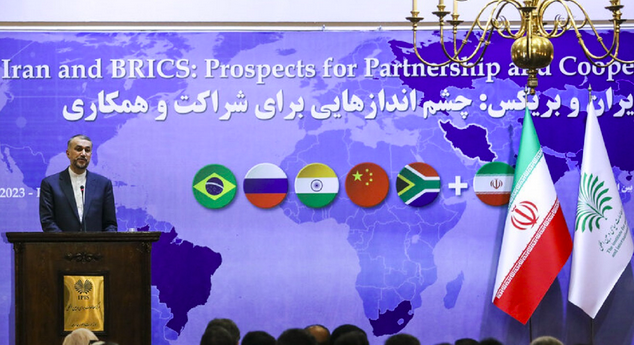
By Beatriz Bissio, Associate Professor in the Postgraduate Program of Comparative History, Federal University of Rio de Janeiro The Executive Intelligence Review (EIR) organized an online forum on March 2, 2026, titled “Epstein and the Bottomless Depravity of the Elites – Urgent Need for a Cultural Renaissance!” Beatriz Bissio, Associate Professor in the Postgraduate of Comparative History, Federal University of ...
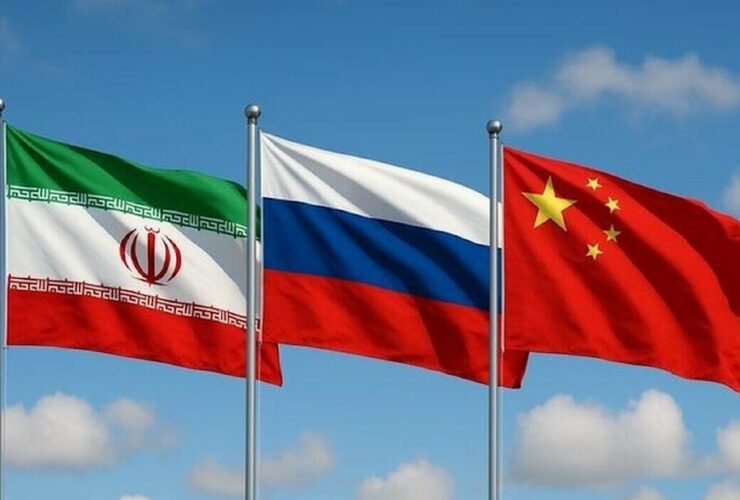
By Umur Tugay Yücel Iran’s current capacity to resist the United States and to continue striking strategic targets cannot be reduced to a single reason. This capacity and sustainability certainly cannot be considered independently of Chinese and Russian support. The trade, payment systems, and defense collaborations that Iran has developed with China and Russia in recent years have significantly increased ...
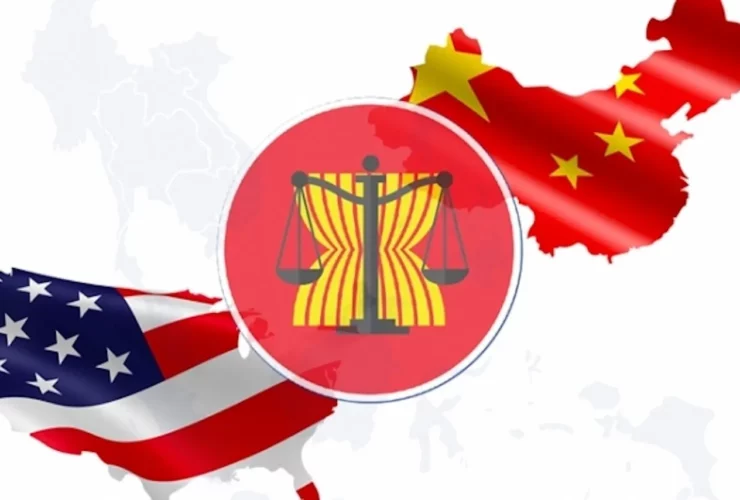
By Mehmet Enes Beşer Southeast Asia is uncomfortably in the middle of 21st-century great power rivalry. China-US competition speeding up with military interventions, economic decoupling, and competing visions of the region has placed ASEAN countries uncomfortably in the middle. With the South China Sea, cyberspace, and sea lanes as the fulcrums, regional strategic contours are increasingly defined by the hopes ...
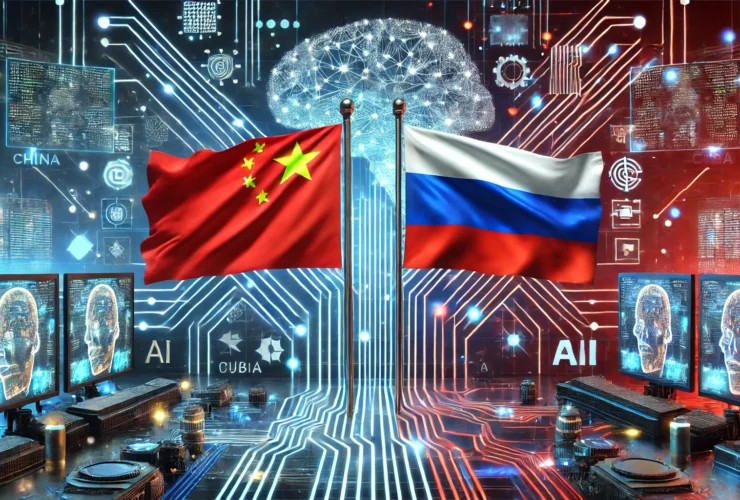
By Mehmet Enes Beşer Let’s be honest: the old “one sheriff in town” story is tired. You still hear it in policy speeches—usually delivered with a straight face—but it doesn’t describe how the world actually behaves anymore. Power is scattered. Influence is negotiated. And most countries, if you catch them off-script, will admit they’re already living in a world where ...
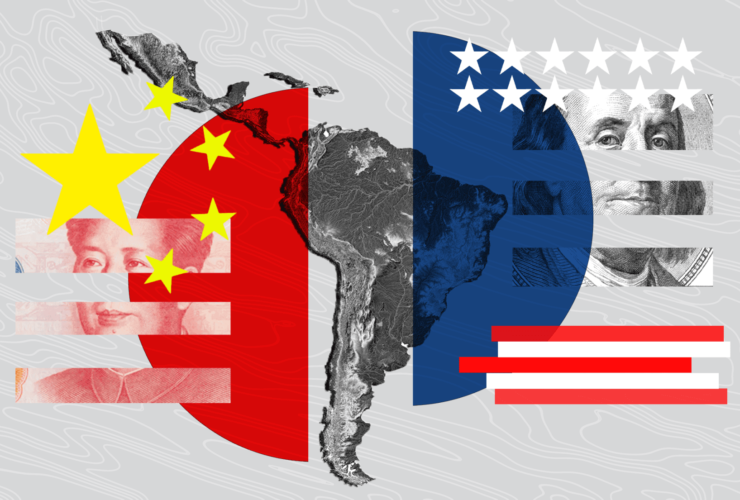
The process of containing China’s economic presence in Latin America and the Caribbean is already underway, both openly and more subtly. Beyond the outright rejection of Chinese companies in Venezuela following the armed incursion into that country on January 3rd, other manifestations point to a trend unfolding in the areas of trade, investment, technology, and security. While China has the ...
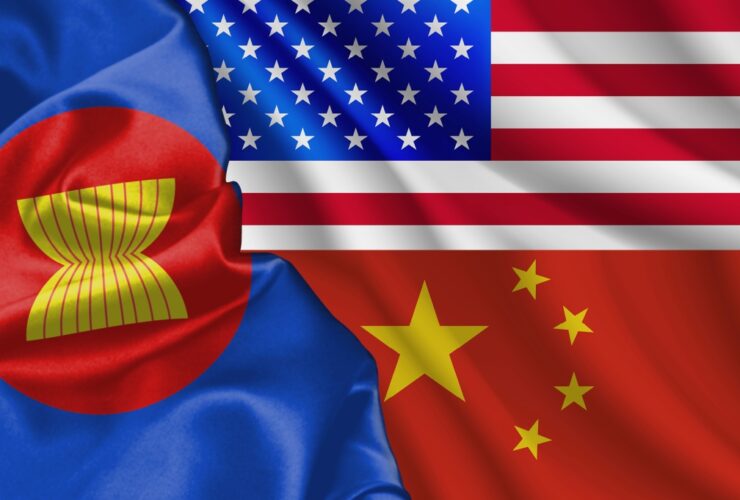
By Mehmet Enes Beşer The United States likes to cite one number boastfully in its relations with Southeast Asia: it is still ASEAN’s single largest foreign investor. On paper, the statistic verifies Washington’s economic significance to a place that is central to global trade and geopolitics. Behind the balance sheets, however, is a more nuanced—and growingly precarious—reality. While US investment ...
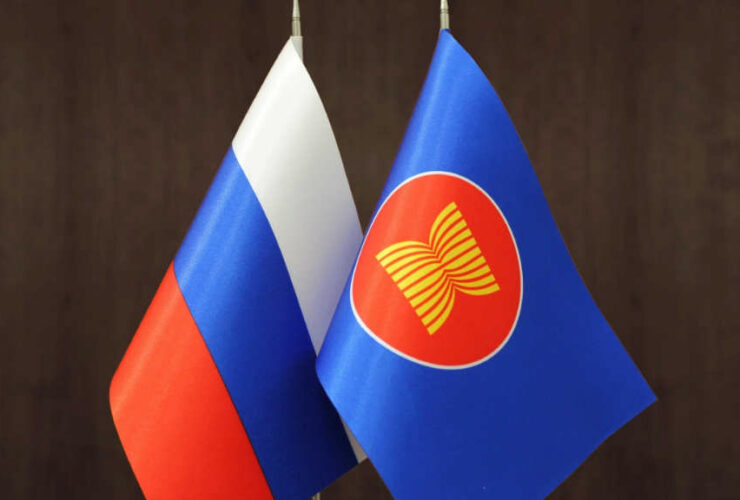
By Mehmet Enes Beşer Russian strategic thinking has historically been motivated by the desire to project power beyond its near-abroad and secure a seat at the table of a multipolar world order. With relations with the West growing ever more strained, the Kremlin has increasingly had reason to look east—not just to China or India, but to Southeast Asia, one ...
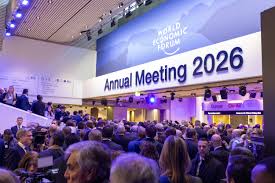
Once again, the world’s rulers failed to grasp the world! The same issues, the same panels, the same sentences, once again, fell short of tangible benefits for the planet. This year, from January 19 to 23, the World Economic Forum convened in Davos under the theme of “The Spirit of Dialogue”, hosting 64 heads of state and government alongside more ...
By Adem Kılıç, Political Scientist The global arena is facing the reality that the liberal order, which has dominated for decades and was established after the Second World War, has collapsed, and that the Western countries that owned this order, primarily the United States, can no longer control the crises. While the US struggles to maintain its global leadership capacity, ...
By Mehmet Enes Beşer For much of the past decade, the European Union has struggled to formulate a clear and independent policy toward China. Struggling between the gravitational force of its historic bond with the United States and the multidimensional realities of its economic dependence on Beijing, Brussels has all too frequently been caught reacting instead of acting—following American-led containment ...

The world is racing toward the Great War. Let’s list the developments of the past month that can be seen as warning signs of a major war: – Russian President Putin’s residence was targeted. In response, Russia struck Ukraine’s energy infrastructure and military bases with various missiles, with Oreshnik in particular. – The US abducted Venezuelan President Maduro and his ...