
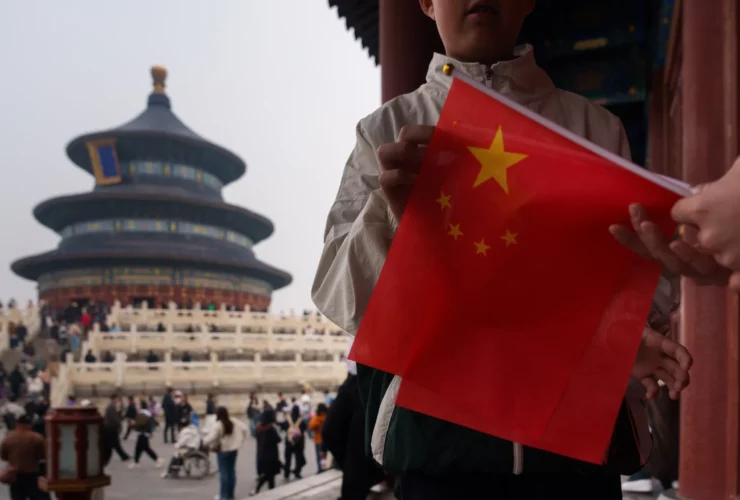
By Özgür Altinbaş China has recently experienced significant diplomatic traffic. All leaders of the United Nations Security Council permanent members have visited China within a six-month period. The visits of US President Donald Trump and Russian President Vladimir Putin also drew considerable attention. We discussed this process with Chinese journalist (CGTN) Xu Yawen and Han Hua, co-founder and Secretary-General of ...
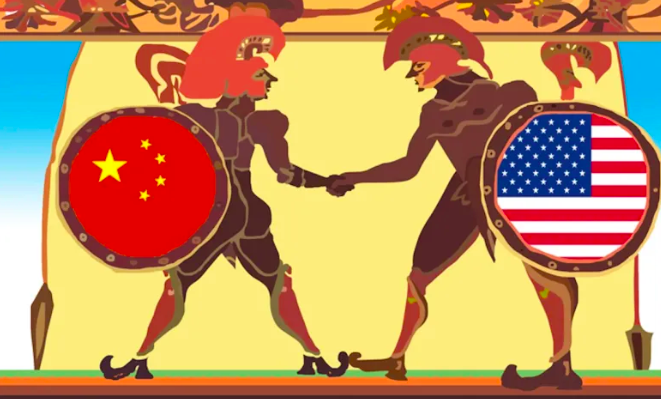
Chinese President Xi Jinping’s reference to the “Thucydides Trap” during US President Donald Trump’s latest visit to China reverberated across the world. The concept quickly attracted wide attention, with a wave of explanations and commentary. Yet this was not the first time Xi had spoken of the “Thucydides Trap”; he had used it many times before in his speeches and ...
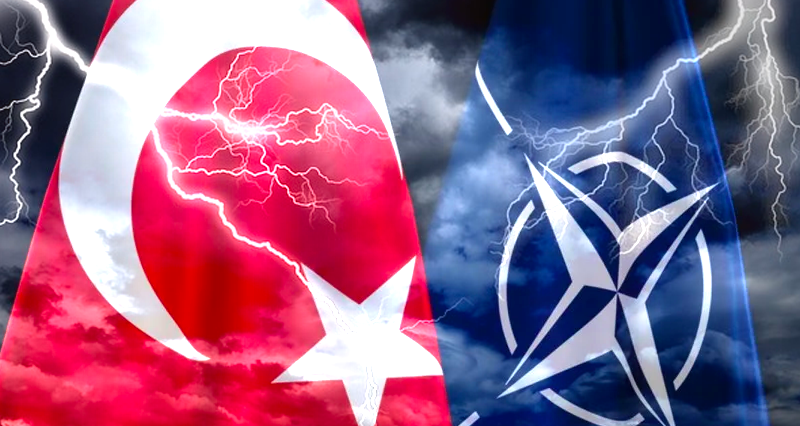
UWI writer and political scientist Dr. Onur Sinan Güzaltan discussed the future of NATO, Türkiye-NATO relations, and developments in Iran on the Türkiye-based On4TV broadcast. We present the English translation of the interview to our valued readers. The ceasefire between the US and Iran started on April 8th. More than a month has passed now. The US and Israel seem ...
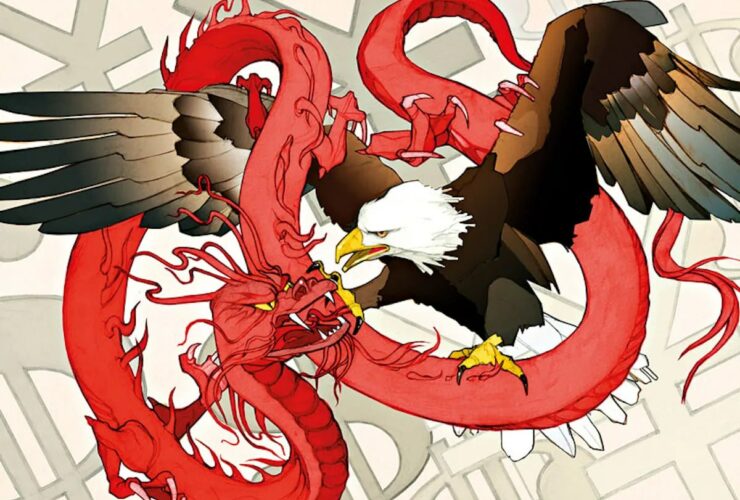
By Edvard Chesnokov, from Moscow / Russia In light of US President Donald Trump’s visit to China, we asked Tatyana Kosacheva, political scientist, Deputy Head of the Political Projects Department at KG “Polilog”, about US-China relations, multipolarity, and developments in Iran. Kosacheva made critical assessments regarding the course of US-China relations. Xi Jinping and Donald Trump held a critical meeting. ...
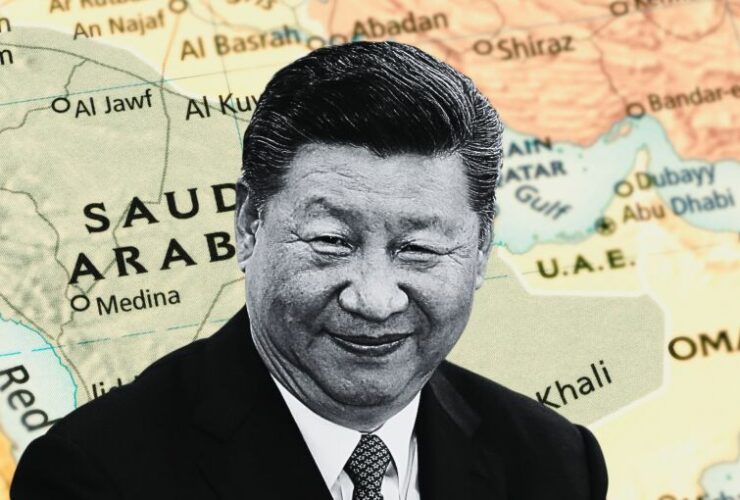
The summit between Chinese leader Xi Jinping and US President Donald Trump has reignited the debate surrounding the decline of the American empire, the rise of the Chinese dragon, and Beijing’s role.The ongoing debate about who can challenge the American empire is invariably invoked. Many observers overlook the fact that, following the communist victory and the founding of the People’s ...
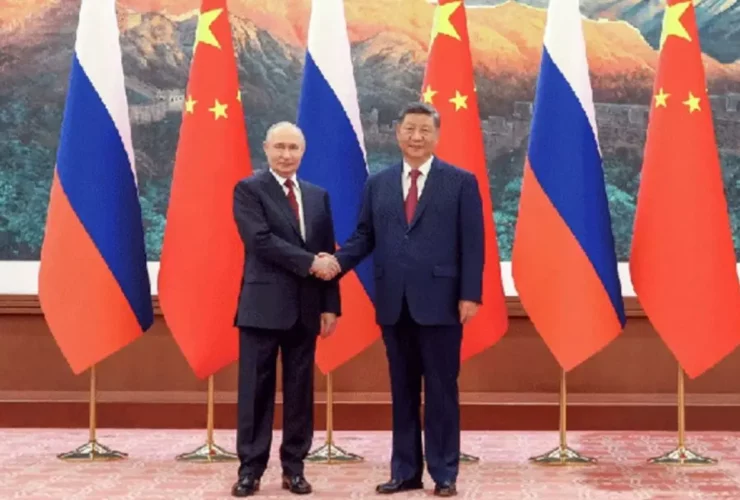
UWI author, historian, and political scientist Associate Professor Mehmet Perinçek joined CGTN Türk Radio as a guest to evaluate Russian President Vladimir Putin’s 19-20th May visit to China. — Changes not seen for 100 years Dr. Perinçek, let’s start with your general evaluation. What do you think this visit means? Putin’s visit cannot be viewed as a routine bilateral relationship. ...
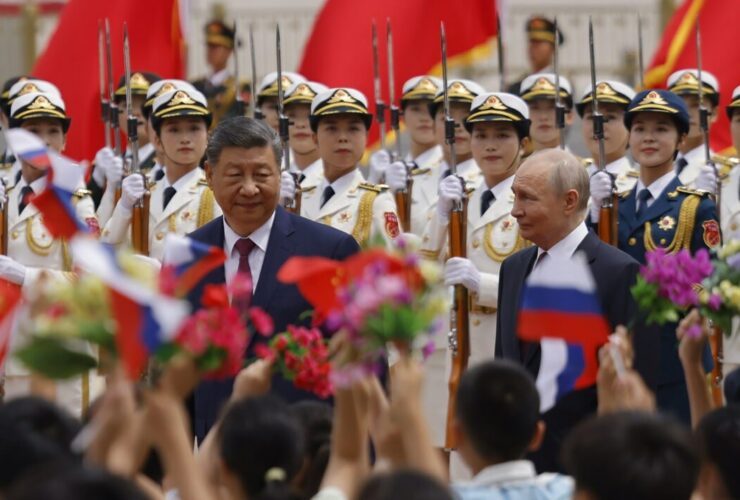
Russian President Vladimir Putin visited China on May 19-20 and held important meetings with Chinese officials, including his Chinese counterpart, Xi Jinping. UWI writer and political scientist Dr. Onur Sinan Güzaltan evaluated Russian President Putin’s visit. How would you generally assess the outcomes of Russian President Vladimir Putin’s visit to China and his meeting with Xi Jinping? They held a ...
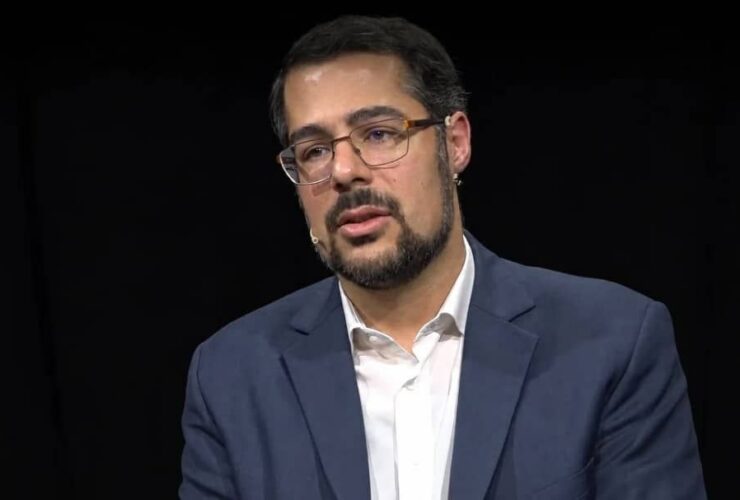
By Azar Mahdavan, from Tehran / Iran As military tensions among Iran, the United States, and Israel have intensified in recent weeks, growing attention has been directed toward the role of major powers in managing the crisis. In this context, China—one of Iran’s most important strategic partners and simultaneously a major actor with extensive interests across the Middle East—has adopted ...
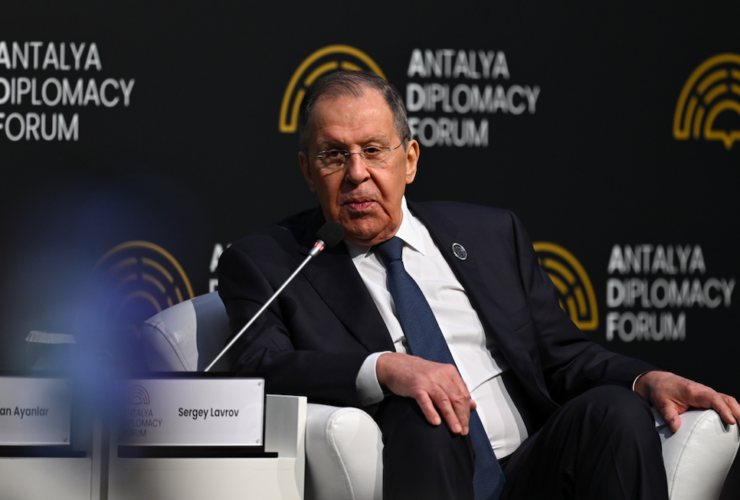
Editor-in-Chief of Aydınlık Newspaper Tevfik Kadan summarized the important parts of Russian Federation Foreign Minister Sergey Lavrov’s speech at the Antalya Diplomacy Forum regarding multipolarity and Turkiye. Russian Federation Foreign Minister Sergey Lavrov’s two-hour speech was significant, containing important messages for Türkiye and Europe between the lines. Lavrov stated that “European countries, under pressure from Brussels, stopped buying gas from ...
From 25 to 29 April 2026, the first international forum of SOVINTERN was held in Moscow under the leadership of the A Just Russia Party, with the participation of numerous partner parties and organizations. Bringing together more than 200 participants representing over 100 political parties, movements, and organizations from more than 70 countries, the forum marked a significant global gathering ...
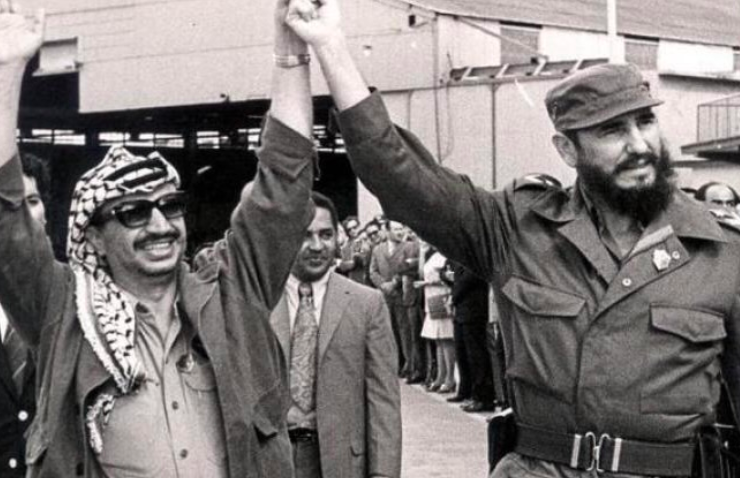
On April 22, 2026, a round table discussion titled “Fidel Castro and World Politics: The Cuban Experience in Diplomacy and International Relations” was held in Moscow, hosted by the Patrice Lumumba Peoples’ Friendship University (RUDN) in collaboration with the Fidel Castro Foundation. Dr. Mehmet Perinçek gave a speech at the meeting, which brought together academics and diplomats. We are sharing ...
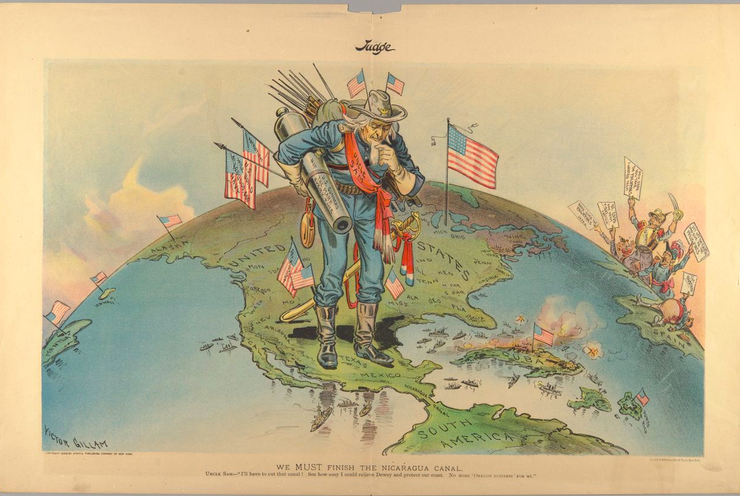
By Prof. Dr. Fernando Esteche “All the geography that matters north of the equator is ours. What lies south of the equator is your responsibility, in partnership with us and other Western nations.” — Pete Hegseth, Secretary of War, SOUTHCOM, Doral, Florida, March 30, 2026 “Reassert and enforce” the Monroe Doctrine to restore American preeminence in the Western Hemisphere […] ...