


By Mehmet Enes Beşer
While the world speeds toward a low-carbon future, the ten ASEAN member states stand at a strategic crossroads. BLESSED with solar, hydro, wind, and geothermal resources, ASEAN is positioned well to ground the enormous potential of its development on renewable power. Painfully lacking clear regional ambitions and growing global interest, the ASEAN switch to renewable energy is uneven, hampered by structural, economic, and political shackles. Policy and environmental sustainability of transitions will hinge on the ability of ASEAN member states to reconcile change and development, ambition and pragmatism.
The energy demand in Southeast Asia is growing at a high rate with urbanization, industrialization, and growth in the middle class. The International Energy Agency puts the region’s energy requirements adding more than 60% by 2040. Not a free ride. Business as usual, and on the other hand, and fossil fuel, i.e., coal, the danger of locking in high emissions and short-changing climate objectives. And, and on the contrary, this scale of step change in renewables means doubling existing infrastructure, releasing enormous reservoirs of investment, and breaking policy logjams of decades.
The majority of the ASEAN nations have included renewable energy goals in their national energy plans. Regional success story Vietnam has witnessed solar capacity boom driven by highly successful feed-in tariffs and private sector investment. Geothermally rich Indonesia and the Philippines leave Thailand with a relatively well-established solar and bioenergy sector. Elsewhere, things are different. Cambodia, Laos, and Myanmar are overwhelmed by staggering hydropower with largely questionable social and environmental histories. Land-constrained and resource-poor Singapore and Brunei can least accommodate large-scale renewables and must turn to solar rooftops, grids, and energy efficiency as substitutes.
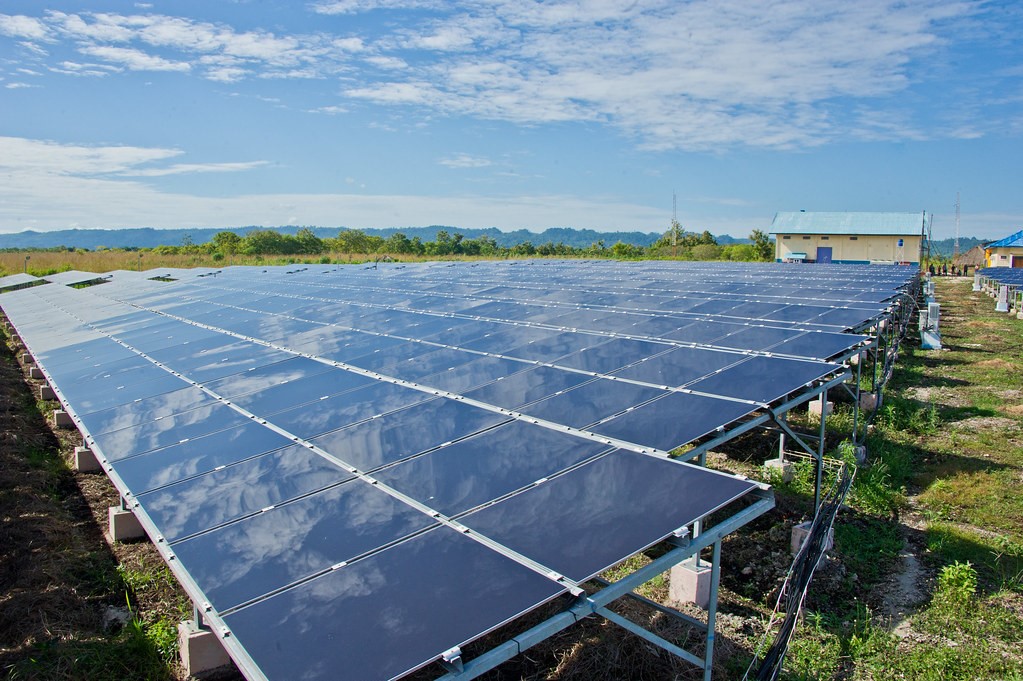
At the center of the sustainability challenge is a trade-off between deployment pace and long-term energy equity, conservation of nature, and grid resiliency. While renewables are lowering emissions, not all renewable firms are sustainable. Large dams, for example, have forced people off land and destroyed ecosystems. Large-scale development of solar farms can have the potential to flood land use patterns and traditional farming culture. Preserving that clean power production is not an alternative way of evils and injustices of the old orders but is the responsibility of a good transition.
Grid infrastructure is monolithic in nature. Centralized, fossil-fueled generation dominates the majority of the ASEAN electricity grid. The region must invest in storage technology, smart grids, and dynamic load management to be able to handle the renewable energy from sunlight and wind, currently expensive and in development form in most of the region. Cross-border power trading, currently in planning mode, such as under such projects as the ASEAN Power Grid (APG), for instance, would be efficient and effective via border balancing of demand and supply. However, APG growth has been gradual due to fragmentation in regulation, investment gaps, and political sensitivity over energy sovereignty.
Finance too is a limitation. While green flows of investment come in more in foreign countries, ASEAN nations are not able to mobilize sufficient private finance on fair terms. Most of these kinds of clean projects involve high up-front capital expenditure and policy stability for extended durations so that they remain financially viable. Policy risk—unpredictable feed-in tariffs, bureaucratic obstacles, and unclear authorizing procedures—still befuddles investors. Lower credit worthier smaller economies find it especially challenging to access low-cost finance without guarantee or concessionality.
The industry is also susceptible to subsidy distortions. Fossil fuel subsidies—still the practice in most ASEAN countries—are distorting market signals, undermining the competitiveness of renewable energy, and dismantling efficiency incentives. Ending subsidies is a politically daunting task, especially where energy affordability is equated with social stability. But until the distortion is peeled away, the real economic and environmental price of fossil addiction remains out of sight, and the shift to renewables increasingly difficult to undertake on economic grounds.
It is not all bad news, though. ASEAN countries are also beginning to see the strategic advantage of renewables—not only for climate, but for energy security, jobs, and resilience. Off-grid solar and mini-grids are rural electrification. Green industrial policy, in the form of Indonesia’s entry into making electric vehicles, is beginning to link economic growth and clean energy. Regional collaboration on capacity-building, investment, and standards is gathering momentum, partly through institutions such as the ASEAN Centre for Energy.
Words must be translated into action, however. Sustainability of the renewables sector is not merely good faith—tangibly, it must be delivered through participatory planning, responsible government, and equitable benefit-sharing. Local community stakeholders must be included in project planning and benefit-sharing. The regulatory mechanism must be rationalized and strengthened. And most importantly, renewable energy needs to be more than a marginal addition to the existing system, but the foundation for a new order that is not merely low-carbon, but democratic, strong, and equitable.
For ASEAN, the shift to renewables isn’t a green imperative—it’s a development imperative that will either make or break the wealth, stability, and international standing of the region for centuries to come. The ride is bumpy and nasty, but the prize—economic resilience, clean air, energy security—is worth it. The question is whether the region understands the task, or continues to chart the future with yesterday’s maps.