

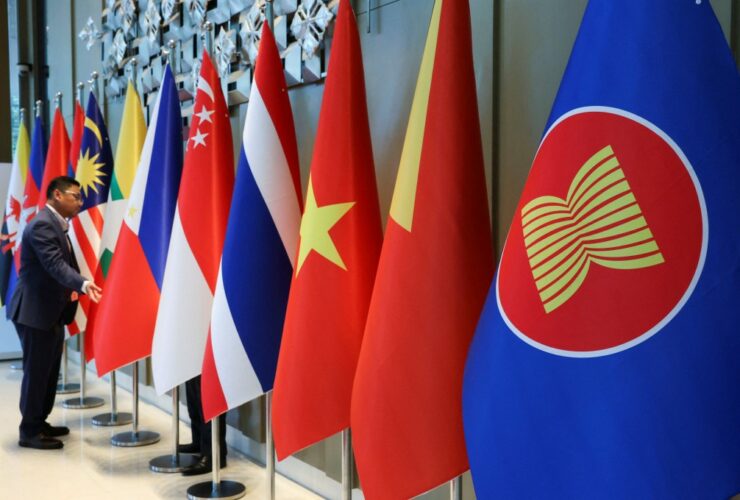
By Mehmet Enes Beşer Apart from proximity, shared development concerns, and growing complementarities, Southeast Asia and South Asia are still worlds apart from becoming as economically integrated as they would or ought to be. Though intra-regional trade in ASEAN and SAARC remains on the policy agenda, inter-regional trade, investment, and connectivity between the two subregions lag far behind their potential. ...

By Mehmet Enes Beşer Energy security is the Philippines’ biggest policy challenge. Regardless of the grandiosity of the country’s energy master plans and reform packages, breakthroughs always result in an insecure and unacceptable energy complex. Periodic power outages, unaffordable electricity, over-reliance on imported fossil fuels, and under-investment in infrastructure spending are all symptoms of an energy arrangement that is unable ...

By Mehmet Enes Beşer With a vision to be among the highest priorities of the Belt and Road Initiative (BRI), China’s Digital Silk Road (DSR) has been slowly piercing Southeast Asia. From the underwater mosaic of cables and cloud hubs to e-commerce platforms and smart city technology, the DSR has been Beijing’s master plan for digital interconnectivity, standards, and influence ...

By Mehmet Enes Beşer Even as maritime commerce continues at the center of economic stability across Southeast Asia and indeed globally, the cyber infrastructure that powers this sector has itself become as vulnerable to cyber-attack. In maritime navigation and logistics in ports, customs databases, or energy terminals, the maritime sector is becoming more digitized—but far too frequently without proper defense. ...
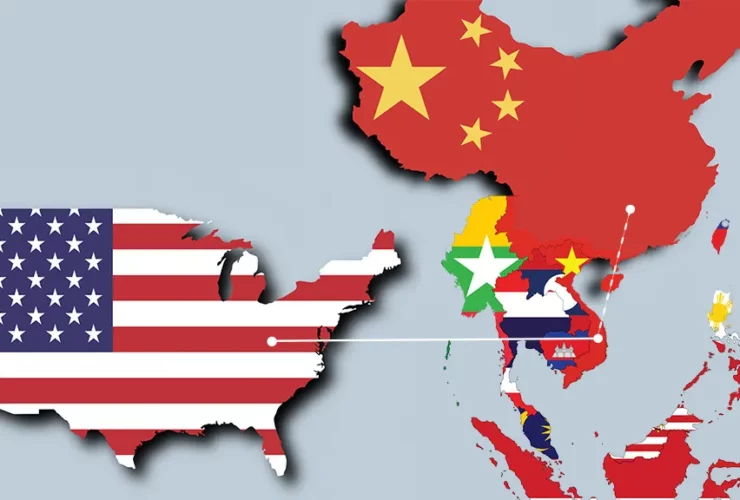
By Mehmet Enes Beşer China-U.S. tensions last year redefined the terms of global supply chains. While the tariff battles raged and rising geopolitical suspicion shrouded the atmosphere, multinational companies have increasingly attempted to diversify away from China–so-called “China+1” strategy. For Southeast Asia, this is more than a fleeting spout, but also a possible tipping point. It can become a future ...

By Mehmet Enes Beşer The digital economy of ASEAN is growing with abandon. More than 460 million are connected online, and also a thriving e-commerce market that will cross over $300 billion by 2025. The most dynamic digital frontier in the world is Southeast Asia. But growing digital connectivity translates to growing exposures. Cyberattacks are mounting in frequency and sophistication, ...
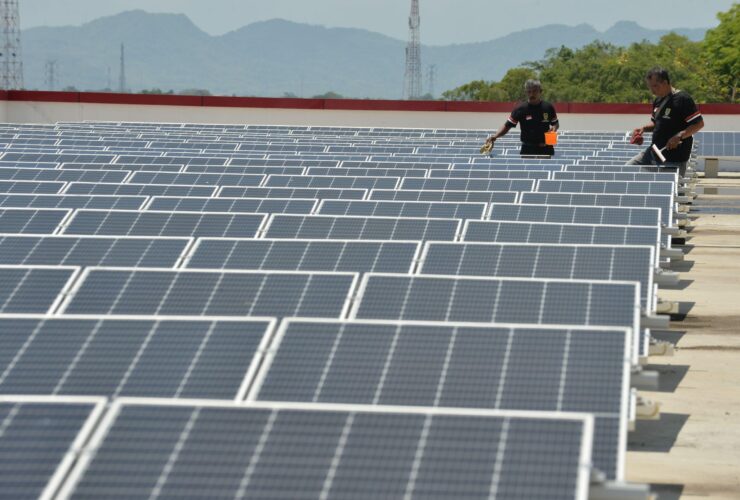
By Mehmet Enes Beşer As the momentum of the world towards carbon neutrality picks up speed, ASEAN is at a turning point. Most ASEAN member countries have already submitted updated Nationally Determined Contributions (NDCs) to the Paris Agreement, while others have formally set themselves on a path towards net-zero in the mid-century. But these promises—beautifully worth a lot as they ...

By Mehmet Enes Beşer Transition to sustainable energy technologies is not just a technical matter for ASEAN countries—it is a political, structural, and economic reorientation of development itself. From solar photovoltaics to premium biofuels, from geothermal power plants to smart grids, the region’s capacity to incorporate clean technologies within its fold will determine if it can develop energy demand sky-high ...
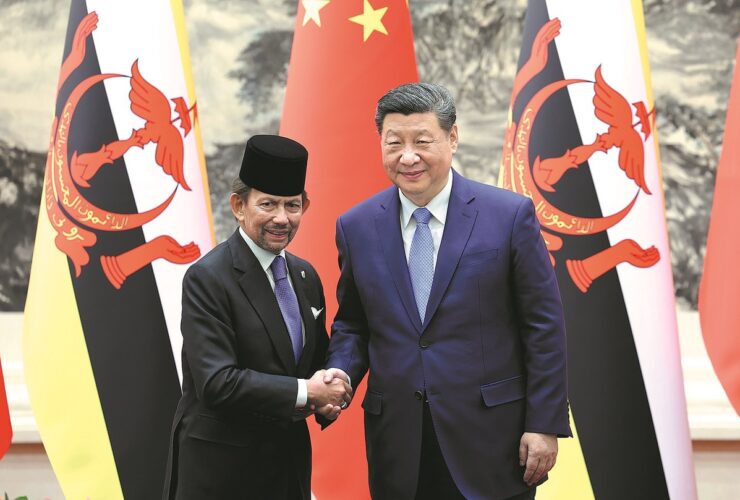
By Mehmet Enes Beşer In a world of growing international uncertainty, Beijing–Bandar Seri Begawan’s low-profile upgrading is the best proof of the potency of pragmatism, mutual respect for the other, and of interests in it. Less high-profile than some other of China’s neighborhood-of-choice relationships, the Beijing–Bandar Seri Begawan one is actually becoming stronger and consolidating itself from under the spotlight. ...
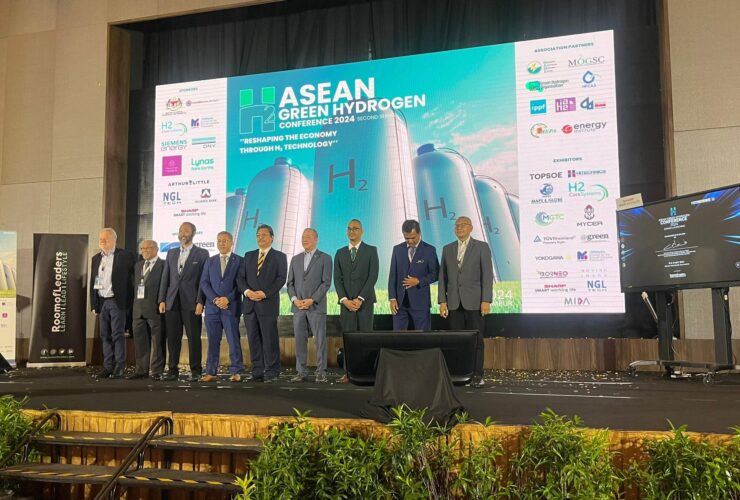
By Mehmet Enes Beşer Green growth, or economic and environmentally sustainable as well as inclusive development, is increasingly the focus of ASEAN medium- and long-term development strategies. For an area confronting increasing energy demand, environmental degradation, and exposure to climate change, green economy transition is now not an option but already a compelling necessity. Green technology innovation lies at the ...
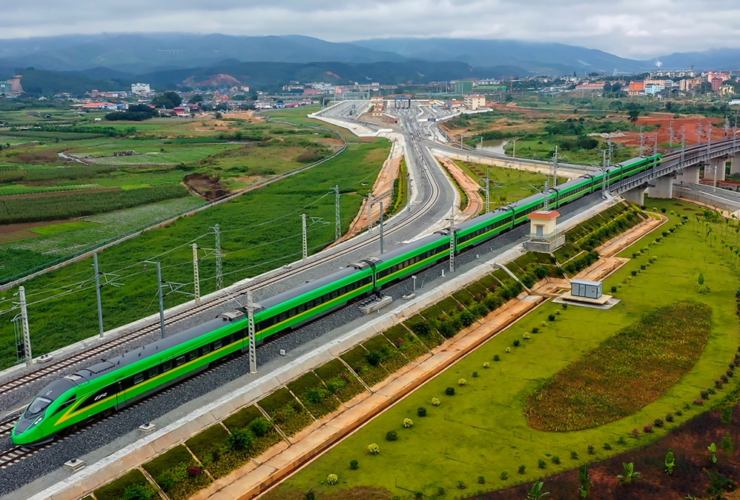
By Mehmet Enes Beşer In the midst of geopolitics’ story of era infrastructure and development, the China–Laos Railway is a powerful counter-narrative—a project based not on competition, but regional interdependence and shared advantage. Stretching over 1,000 kilometers from Kunming in south-western China’s Yunnan Province to the Lao capital Vientiane, the railway is far more than a transport link. It is ...
By Mehmet Enes Beşer ASEAN member countries’ energy industries are changing as a result of rising demand, decarbonization requirements, and complex geopolitics. While the region is moving towards cleaner, more inclusive, and more resilient energy systems, the risk diversification challenge—namely addressing structural vulnerabilities and crisis-driven disruptions—acquired an added significance. While pursuit of energy diversification has so far been associated with ...