


By Tehran Tapdigov, from Baku / Azerbaijan
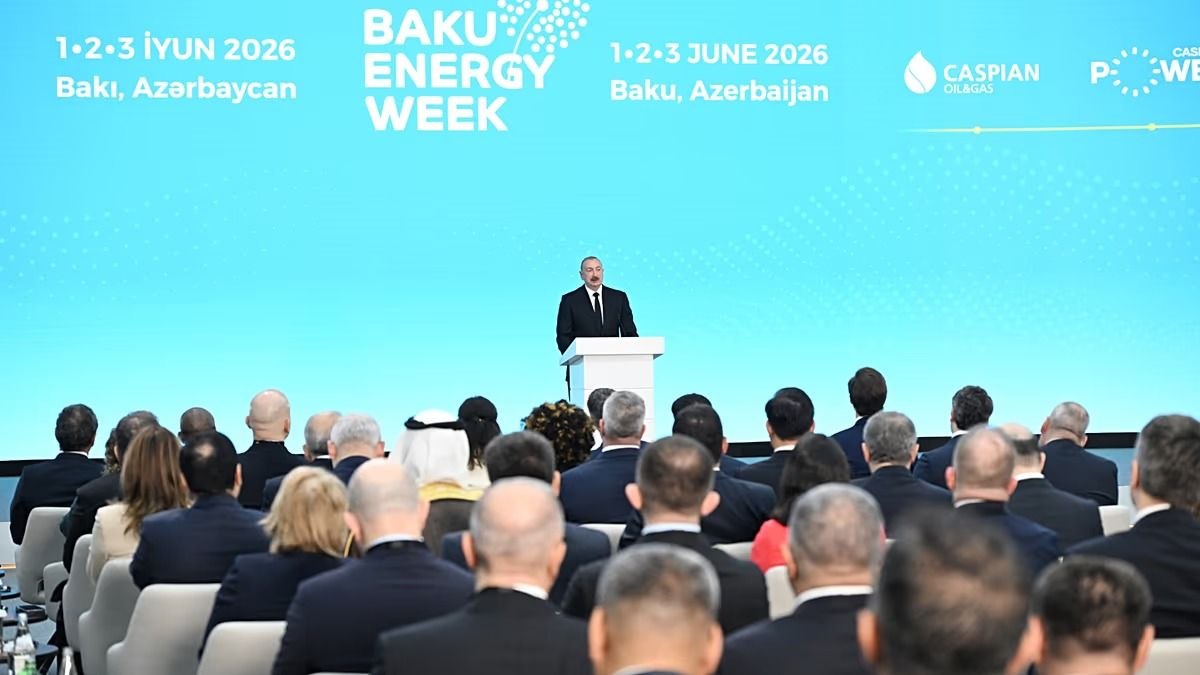
From June 1 to 3, the 31st Baku Energy Week was held at the Baku Expo Center and the Baku Congress Center. The event brought together three major industry platforms: the 31st Caspian Oil and Gas Exhibition, the 14th Caspian Power Exhibition, and the 31st Baku Energy Forum.
President of Azerbaijan, Ilham Aliyev, attended the official opening ceremony and delivered a keynote address, highlighting the country’s priorities and vision for the future of the energy sector.
As part of the event, a ceremony was held to mark the start of the first production of non-associated natural gas from the Azeri-Chirag-Gunashli (ACG) field block. Hundreds of local and international companies, investors, and representatives of international organizations from nearly 40 countries participated in the event.
Energy security, the transition to green energy, renewable energy sources, and cooperation in the global energy market were among the key topics discussed. Several important agreements and memorandums worth billions of dollars were also signed during the week.
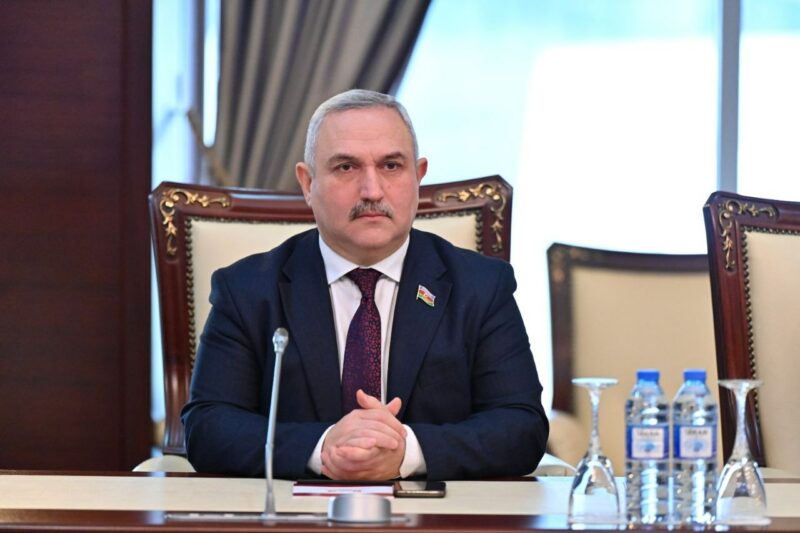
In an exclusive statement, Azerbaijani Member of Parliament Azer Allahveranov said that Azerbaijan has firmly established itself as a reliable partner within the international system and has become an important platform for discussing critical energy security issues.
“Today, Azerbaijan’s energy policy contributes not only to the country’s economic development but also to the energy security of many nations. A significant number of European countries currently use Azerbaijani natural gas, and this cooperation enables them to pursue a more independent energy policy. In 2026, Azerbaijan is no longer viewed solely as a regional energy producer but increasingly as one of the reliable contributors to international energy security. This reality was repeatedly emphasized during discussions held within the framework of Baku Energy Week,” he said.
According to Allahveranov, the foundation of these achievements was laid in 1994 with the signing of the ‘Contract of the Century’.
“At that time, Azerbaijan was facing the severe consequences of the First Karabakh War and urgently needed economic independence. Thanks to a far-sighted energy strategy, Azerbaijan became an important partner for leading international companies and states. Strategic projects such as the Baku-Tbilisi-Ceyhan oil pipeline and the Baku-Tbilisi-Erzurum gas pipeline were implemented in the following years. These projects accelerated Azerbaijan’s integration into global energy markets and attracted substantial foreign investment,” he noted.
Energy revenues helped diversify the economy, strengthen economic resilience, and reinforce state institutions. At the same time, these resources contributed to improving Azerbaijan’s defense capabilities and military potential.
“As a result, the development strategy launched in 1994 provided the economic foundation for the historic processes that culminated in the restoration of Azerbaijan’s territorial integrity in 2020. In addition, the country helped shape new geopolitical realities in the South Caucasus. Today, Azerbaijan plays an important role not only in the energy sector but also in transportation and logistics. Initiatives such as the Baku-Tbilisi-Kars railway and the Middle Corridor are creating new opportunities for cooperation across Eurasia,” Allahveranov added.
He stressed that these achievements are the outcome of Azerbaijan’s long-term energy strategy. According to him, this policy has strengthened the country’s international standing, reinforced its reputation as a reliable partner, and positioned Azerbaijan as an important participant in major integration projects across the Eurasian region.