

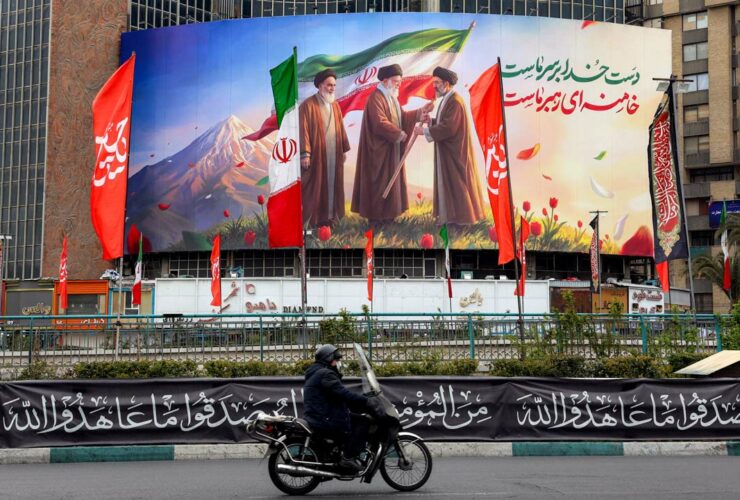
By Adem Kılıç, Political Scientist The Strait of Hormuz has undoubtedly been a key choke point for energy and trade routes throughout history.However, at this point in time, Hormuz has become a full-fledged choke point; despite accounting for only 20 percent of global flow, it not only controls the flow of oil and natural gas but is also fundamentally reshaping ...
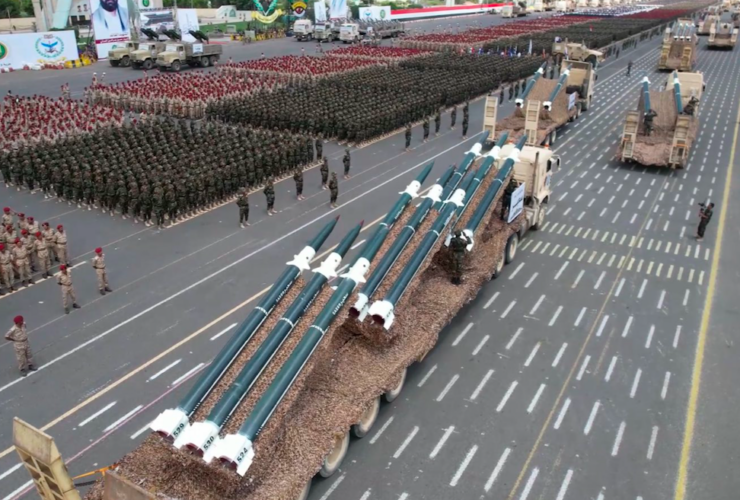
By Özgür Altınbaş Israel became the target of Yemeni missiles on the morning of March 28. On the 29th day of the war, the Ansarullah-led Yemeni operation announced their involvement in the conflict following the strike. Now, a new and challenging front has opened for the US and Israel. Rayan Al-Aziz, an official from the Ansarullah Press Office, stated that ...
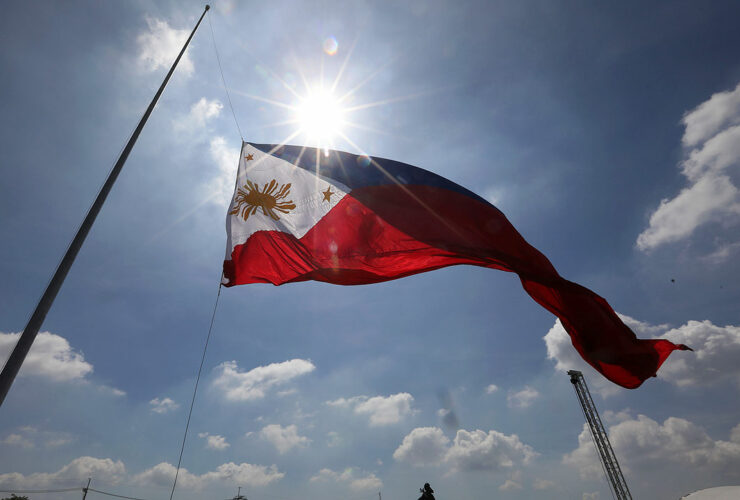
By Mehmet Enes Beşer The liberal world order is being reshaped by a significant change wave. The times of unipolar hegemony are almost waning. The multipolar world of great complexity, rivalry, and interdependence is taking shape. With growing regional blocs, middle powers, and non-Western power, the question for the small nation like the Philippines is no longer whom to ally ...
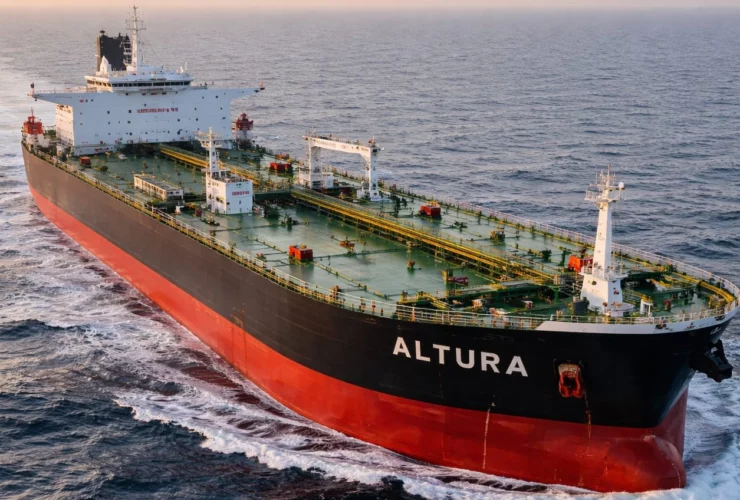
On March 26, a Turkish-operated oil tanker named Altura was attacked in the Black Sea. Türkiye’s Minister of Transport and Infrastructure Abdulkadir Uraloğlu made a statement, saying “A foreign-flagged ship operated by a Turkish company, which had loaded crude oil from Russia, reported an explosion in its engine room after midnight to our emergency call center. We believe that the ...

By B.R. Deepak, former Director of Center of Chinese and Southeast Asian Studies of Nehru University, New Delhi The Executive Intelligence Review (EIR) organized an online forum on March 2, 2026, titled “Epstein and the Bottomless Depravity of the Elites – Urgent Need for a Cultural Renaissance!” B.R. Deepak, former Director of Center of Chinese and Southeast Asian Studies of ...
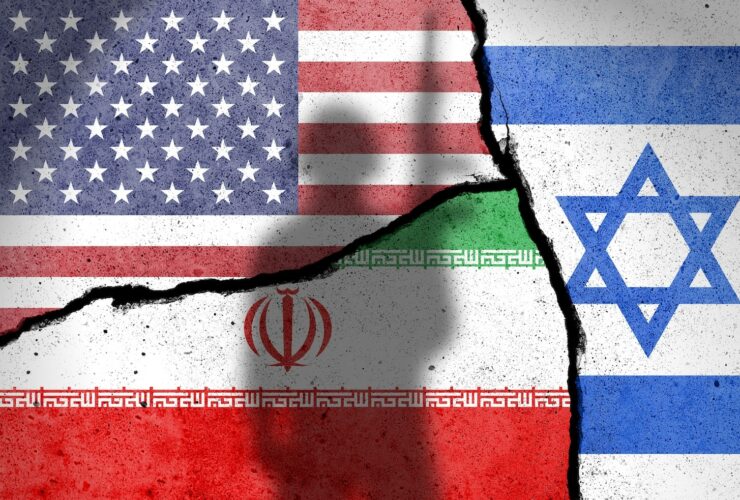
As the joint war waged by the United States and Israel—two nuclear-armed states, one of which possesses the most powerful military in the world—approaches its first month, developments on the ground indicate that none of the assumptions held by Washington and Tel Aviv at the outset of the conflict have materialized. The aggressor forces initiated this campaign against Iran without ...
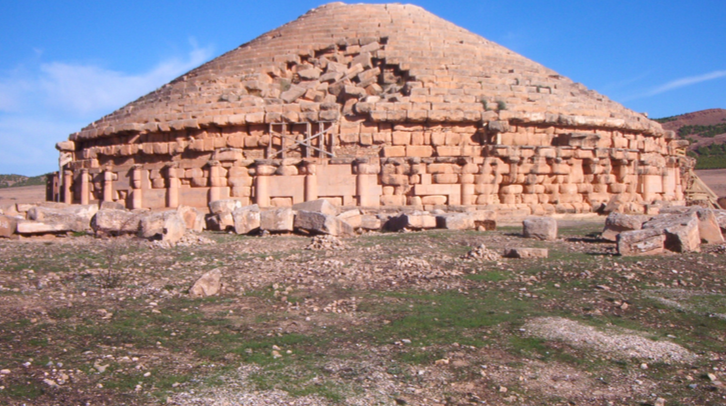
By Sahifa Sharif, archeologist All colonial societies aimed for one thing and only one thing, erase the identities of colonized countries and diminish their civilization to the animal rank, France was not against this ideology, it was one of the countries that celebrate this unhuman ideology and even practiced it in the field. The colonization of Algeria in 1830 by ...
By Mehmet Enes Beşer ASEAN member countries’ energy industries are changing as a result of rising demand, decarbonization requirements, and complex geopolitics. While the region is moving towards cleaner, more inclusive, and more resilient energy systems, the risk diversification challenge—namely addressing structural vulnerabilities and crisis-driven disruptions—acquired an added significance. While pursuit of energy diversification has so far been associated with ...

By Azar Mahdavan, from Tehran / Iran The recent war between Iran on the one hand and the United States and Israel on the other is not merely a military confrontation at the regional level. It is also an event that has carried significant consequences for Iran’s domestic politics and the orientation of its foreign policy. The war occurred at ...
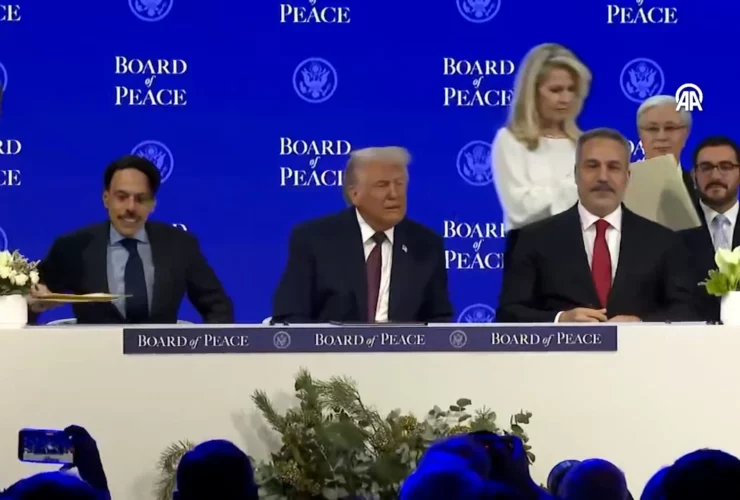
The Turkish public is closely following in and regarding Iran, like the rest of the world. Last week, an extraordinary meeting was held in Riyadh, the capital of Saudi Arabia, with the participation of Türkiye and Gulf countries to address the situation in Iran. In the Joint Statement after the meeting, Iran’s “attacks” against Gulf states were condemned, and it ...
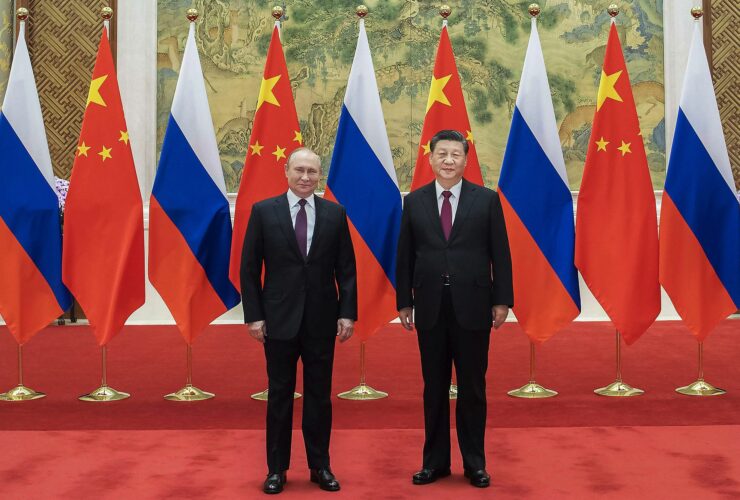
By Mehmet Enes Beşer Whereas elsewhere in this new world order friendships of old are being broken and the international system is increasingly marked by suspicion, the relationship between China and Russia has held firm. Failing short of a marriage of convenience, the emerging China–Russia strategic partnership rests upon pragmatism, strategic mutual trust, and a vision for a multipolar world. ...
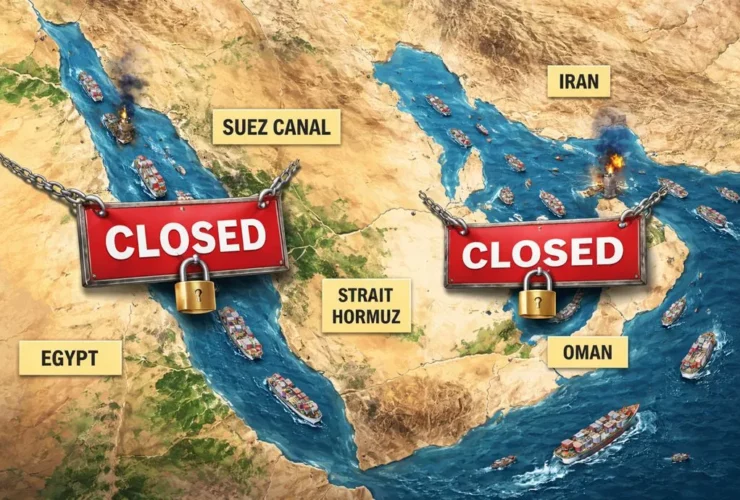
First published on the website “mavivatan.com” The year 1956 stands as one of the major breaking points in modern geopolitics. The Suez Crisis began on July 19, 1956, when the United States withdrew financing for the Aswan Dam in Egypt. It escalated on July 26, when Egypt’s revolutionary leader Gamal Abdel Nasser nationalized the Suez Canal. Britain and France perceived ...