

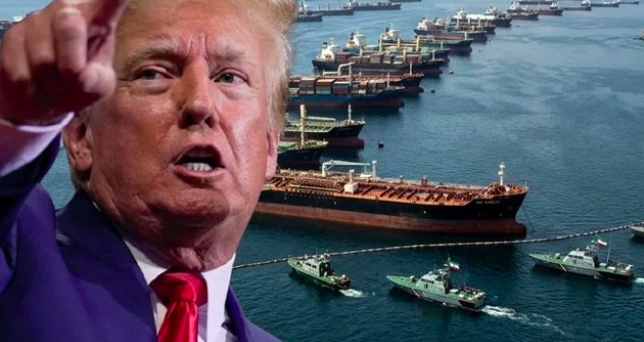
By Adem Kılıç, Political Scientist The war that U.S. President Trump declared “won” in its very first week now presents a very different picture, especially when viewed from the Pentagon’s perspective. The reality on the ground has not deterred Iran but, on the contrary, has led Iran to come to the negotiating table with even greater confidence than it had ...
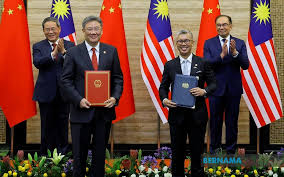
By Mehmet Enes Beşer As Malaysia struggles through an uneven post-pandemic rebound and transition towards a high-income, low-carbon economy, the external economic terms of its engagement are of growing significance. Among them, the rebalancing relationship with China is most significant both because of size but also strategic import. Developing economic ties with China—Malaysia’s biggest trade partner and biggest investor, no ...
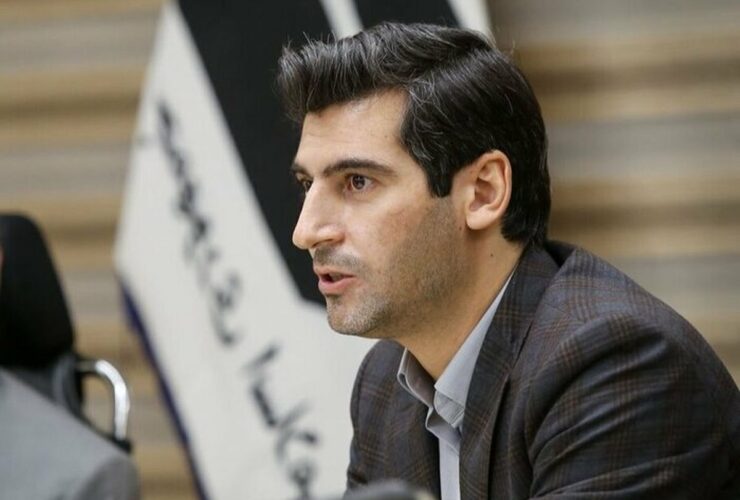
By Azar Mahdavan, from Tehran / Iran In recent years, alongside the intensification of tensions in the international system, the position of Russia and China in Iran’s security and strategic calculations has drawn greater attention from public opinion than ever before. Some speak of a “strategic partnership” and even a protective “umbrella” provided by Moscow and Beijing, while others warn ...
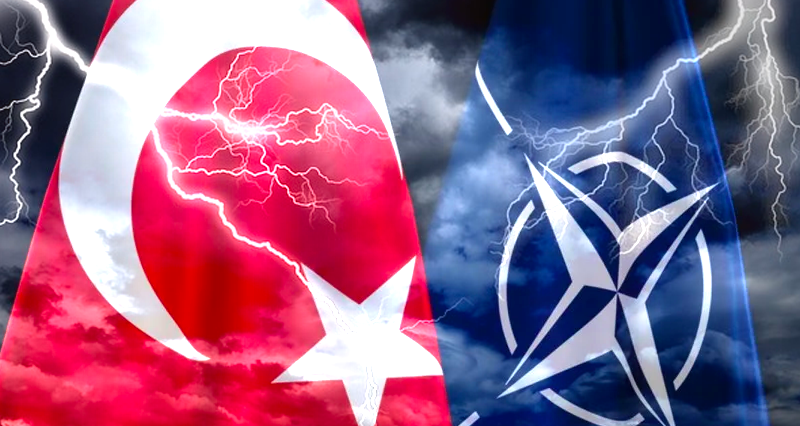
UWI writer and political scientist Dr. Onur Sinan Güzaltan discussed the future of NATO, Türkiye-NATO relations, and developments in Iran on the Türkiye-based On4TV broadcast. We present the English translation of the interview to our valued readers. The ceasefire between the US and Iran started on April 8th. More than a month has passed now. The US and Israel seem ...
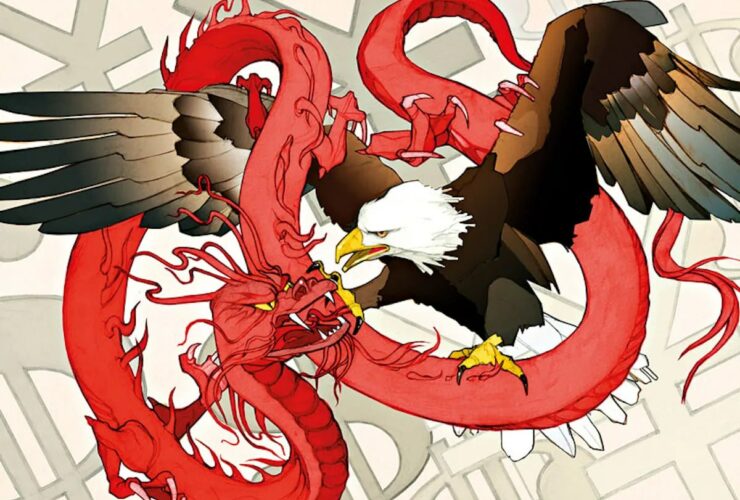
By Edvard Chesnokov, from Moscow / Russia In light of US President Donald Trump’s visit to China, we asked Tatyana Kosacheva, political scientist, Deputy Head of the Political Projects Department at KG “Polilog”, about US-China relations, multipolarity, and developments in Iran. Kosacheva made critical assessments regarding the course of US-China relations. Xi Jinping and Donald Trump held a critical meeting. ...

By Mehmet Enes Beşer Vietnam has been the fastest-growing economy in Southeast Asia over the last decade or so, experiencing high-speed industrialization, export-led growth, and improved regional standing. However, the progress has had an astronomically high environmental cost. Coal continues to dominate the energy mix and is the single most important cause of all air pollution and greenhouse gas emissions. ...

By Tehran Tapdigov – Azerbaijani Political Commentator On May 22nd, the 13th session of World Urban Forum 13 in Baku officially came to an end. An “Urban Expo” space was organized during the forum. More than 260 exhibitors, innovators, and solution partners took part. This year’s forum also set a record in terms of the number of guests and participants. ...
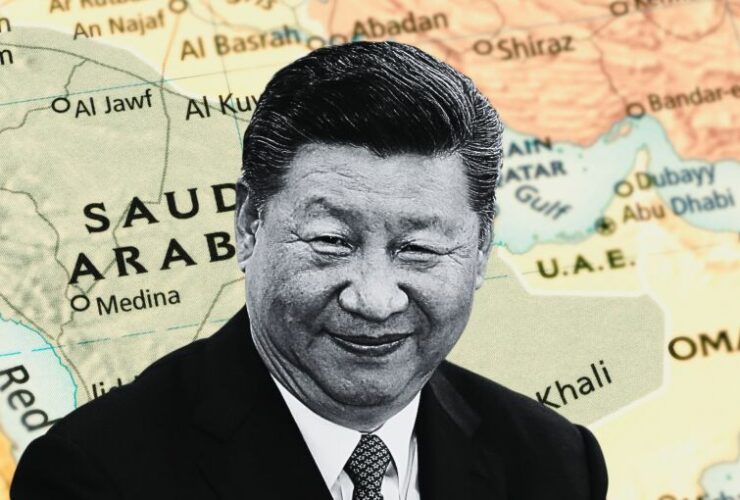
The summit between Chinese leader Xi Jinping and US President Donald Trump has reignited the debate surrounding the decline of the American empire, the rise of the Chinese dragon, and Beijing’s role.The ongoing debate about who can challenge the American empire is invariably invoked. Many observers overlook the fact that, following the communist victory and the founding of the People’s ...

In the local and regional elections held across the UK on 7 May 2026, British Prime Minister Keir Starmer and his ruling Labour Party have suffered heavy losses. Reform UK has made big gains at the expense of Labour. The Reform party has gained more than 1,450 council seats. What stood out was Reform UK’s big win in the constituencies ...
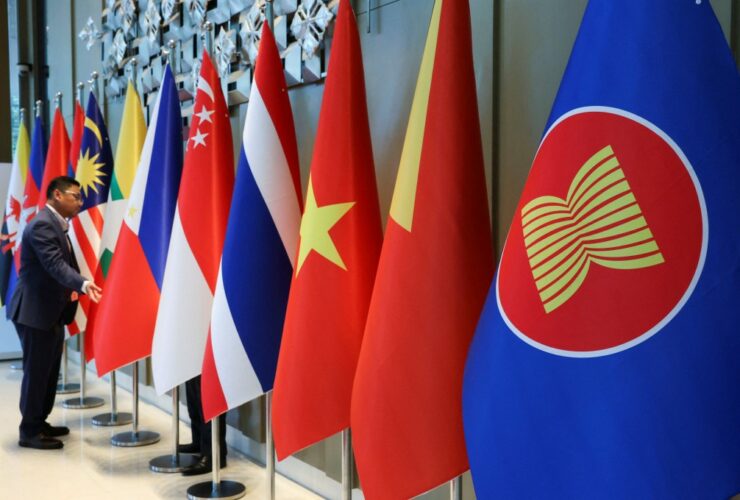
By Mehmet Enes Beşer Apart from proximity, shared development concerns, and growing complementarities, Southeast Asia and South Asia are still worlds apart from becoming as economically integrated as they would or ought to be. Though intra-regional trade in ASEAN and SAARC remains on the policy agenda, inter-regional trade, investment, and connectivity between the two subregions lag far behind their potential. ...
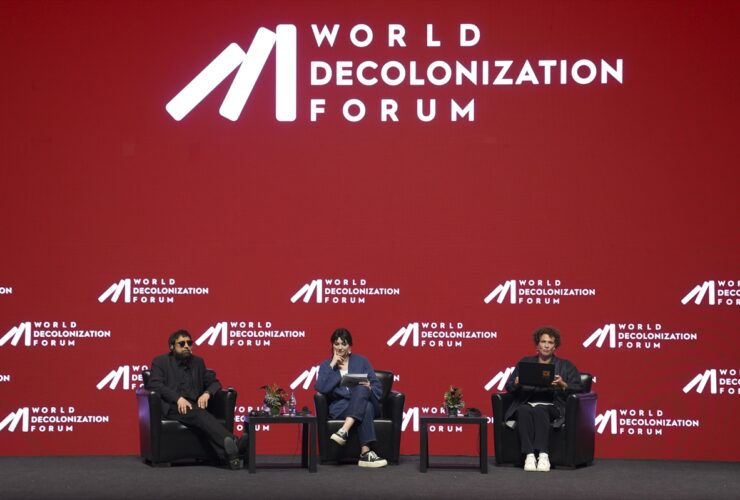
Decolonization is not merely the political independence of a society, but the process of dismantling the structures left behind by colonization that is, the economic, cultural, military, and epistemic domination of one people by another power. In other words, decolonization is the effort to reconstruct societies as historical, cultural, and intellectual subjects by eliminating the relations of dependency, identity fractures, and external domination over knowledge ...
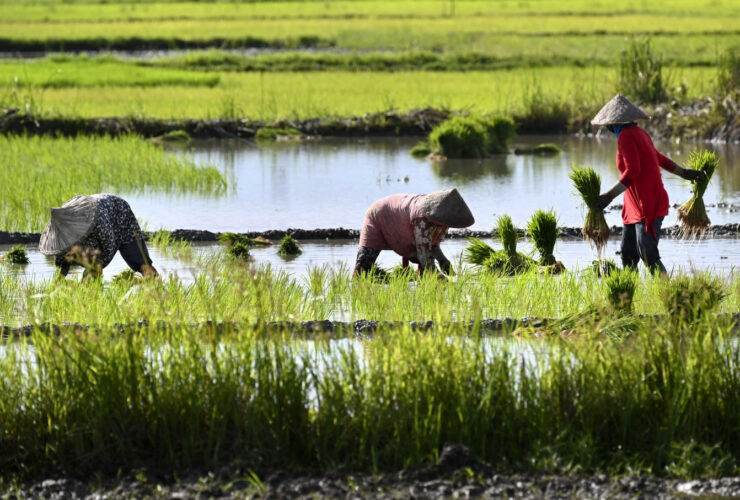
By Mehmet Enes Beşer Indonesia’s historic vision of rice self-sufficiency has continued to be driven by political and developmental imperatives. With the fourth-highest population in the world and one of the highest per capita consumers of rice, an assured domestic supply of rice has been at the center of Jakarta’s food security policy. But while global rice markets remain destabilizing ...