

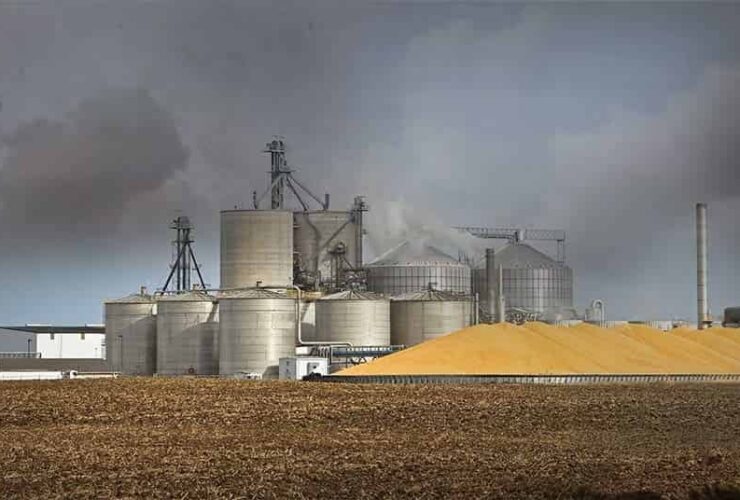
By Mehmet Enes Beşer As ASEAN countries race along their pursuit of cleaner, diversified energy systems, biofuels are a politically appealing, domestically sourced answer to rampant fossil fuel prices and greenhouse gas emissions. From Indonesia’s massive palm oil plantations to Thailand’s cassava fields that churn out ethanol, the region is blessed with biomass resources theoretically suitable for conversion into renewable ...
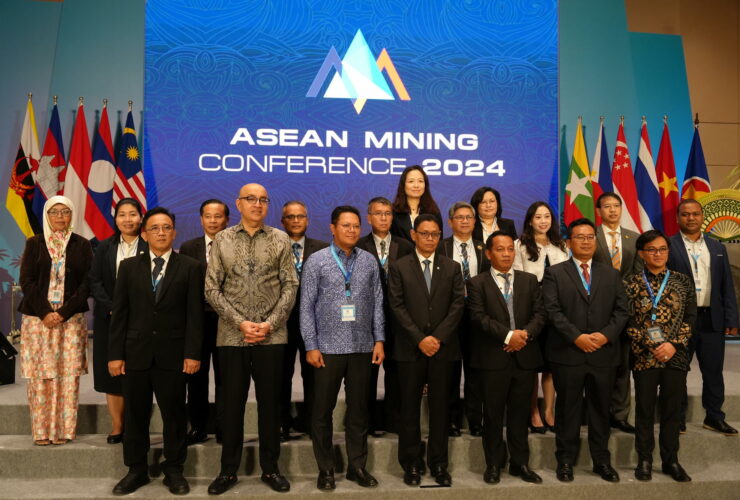
By Mehmet Enes Beşer Southeast Asia stands at the intersection of two compelling forces: the world’s rapidly accelerating demand for strategic minerals and increasingly integrated regional economies through trade agreements. Bauxite and nickel, copper and rare earth elements – ASEAN’s mineral resources are more strategically valuable than ever before. As the world shifts to low-carbon technologies—electric vehicles, solar panels, battery ...
By Meymet Enes Beşer In the wake of the changing framework of international geopolitics and economic restructuring, the physical space between Central Asia and Southeast Asia—hitherto geographically circumscribed—is narrowing extremely quickly. As Central Asia’s economic and transport center, Kazakhstan is a strategically crucial gateway into the heartland of Eurasia. To ASEAN, to which decades of diplomacy have been focused east ...
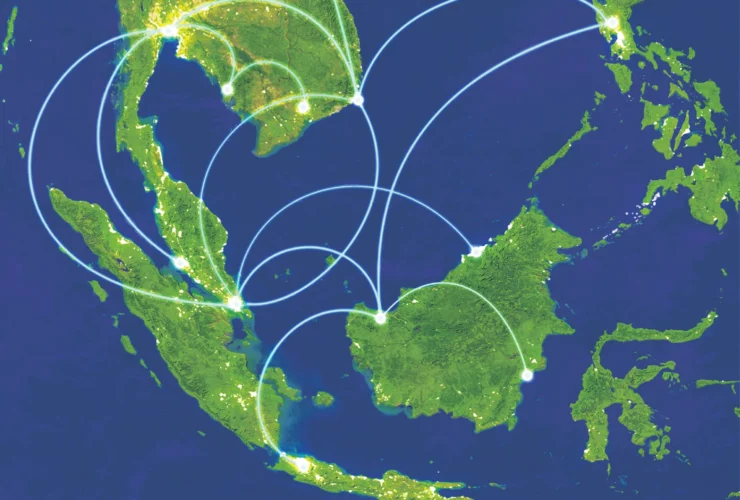
By Mehmet Enes Beşer As Southeast Asia races to keep pace with surging energy demand amidst a global decarbonization wave, one question looms over the region: how can the region deliver clean, cheap, and secure electricity at scale over a patchwork landscape marked by extremes? The answer, the object of protracted debate and yet to be attained, is in a ...
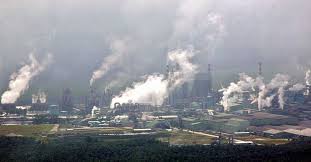
By Mehmet Enes Beşer As the world is speeding towards a catastrophic climate tipping point, the role of the emerging economies has shifted from the periphery to center stage of global climate negotiations. Within this transformation, the ASEAN region has become a test site and a war zone of what climate ambition is in the Global South. As economies grow, ...
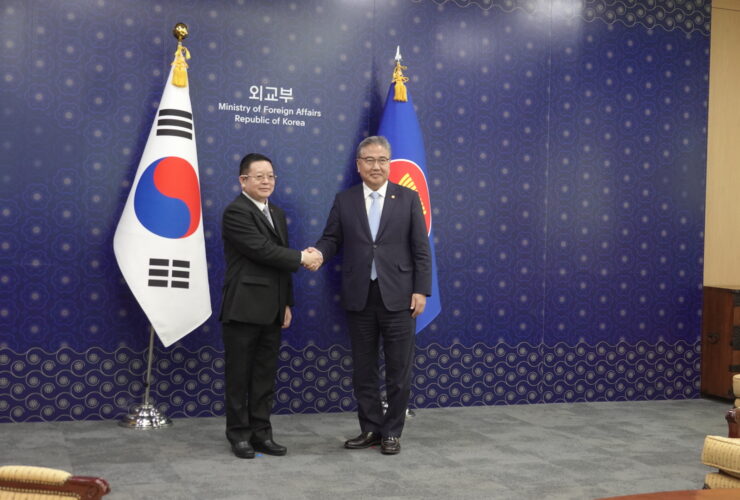
By Mehmet Enes Beşer In the context of Southeast Asia’s post-Cold War experience of the disorder of a multipolar world of great power competition, economic fragmentation, and fluid security alignments, ASEAN continues to seek partners that will assist it in promoting its regional interests without threatening it with the hegemonic designs. No other country comes to mind in this search: ...
By Mehmet Enes Beşer More than three years have now passed since the Myanmar military overthrew the government in a coup, and the country remains torn apart by violence, turmoil, and deepening humanitarian crisis. The economy has imploded, civil war has intensified, and millions have been forced into displacement. World condemnation has been abundant, but effective action has not been ...
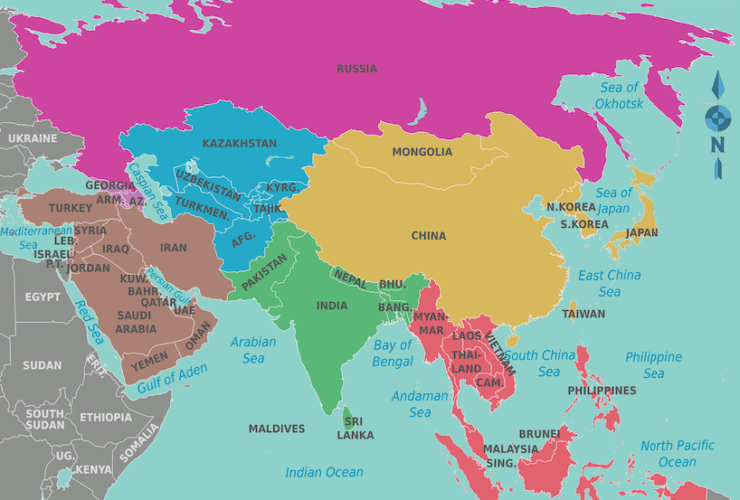
By Mehmet Enes Beşer In the 21st century, Asia is not just on the rise—it is remaking the world order. Home to over half the world’s population, the world’s fastest-growing economies, and a rich cultural tapestry of civilizations, Asia is fast becoming the gravitational center of world politics, trade, and technology. But despite its enhanced centrality, Asia is still trapped ...
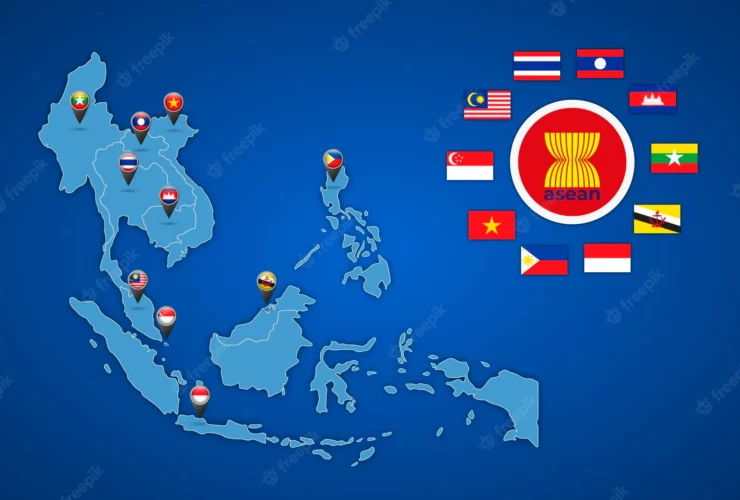
By Mehmet Enes Beşer ASEAN has, now for over two decades, been a balm of East Asian diplomacy—a convenor of regional gatherings, a guarantor of neutrality, and a symbol of collective muscle for small and medium powers. Its “centrality” dogma has come to pass from rhetoric; it has been an integral part of the structural attribute of Asia’s institutional landscape ...
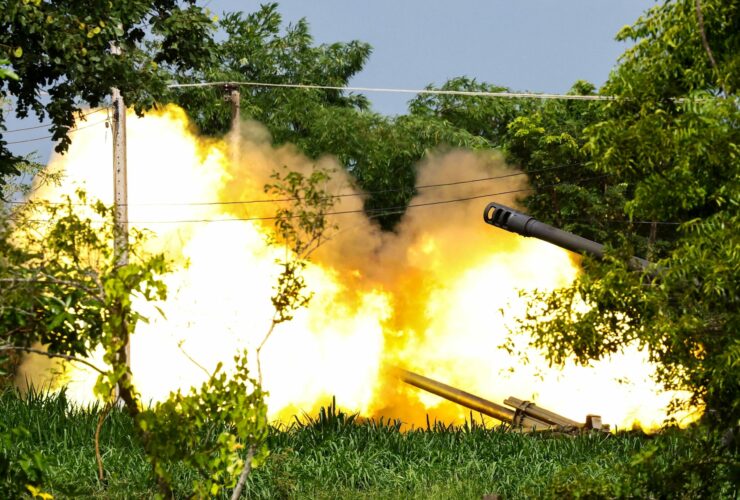
By Mehmet Enes Beşer The new flare-up between Thailand and Cambodia in the year 2025 regarding the border dispute is just as much about historical antagonism as about unpredictable political undertows characterizing modern Southeast Asia. The most recent incident involving the mobilization of troops and nationalist posturing all across the region of the temples of the Preah Vihear is not ...
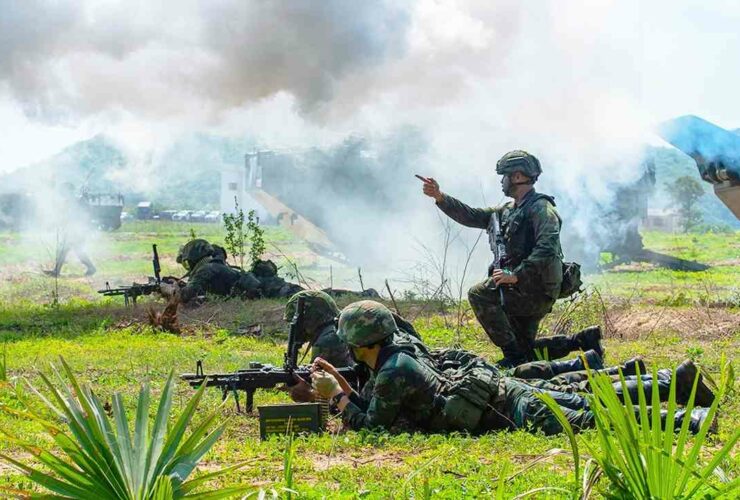
By Orçun Göktürk, from Beijing / China In recent days, a long-standing border dispute between Thailand and Cambodia has flared up once again: the Preah Vihear Temple and its surrounding area. This temple is not only a historical and religious monument, but also a symbol of sovereignty, national pride, and a focal point of great power rivalry in Southeast Asia. ...

By Mehmet Enes Beşer The United States dominated Southeast Asia by sheer power and imposed its will through military alliances, naval presence, and economics for decades. While Washington presents its presence as a stabilizing one for freedom of seas, open marketplaces, and democratic values, too many of its actions look more like strategic hegemony and less like cooperative leadership. But ...