

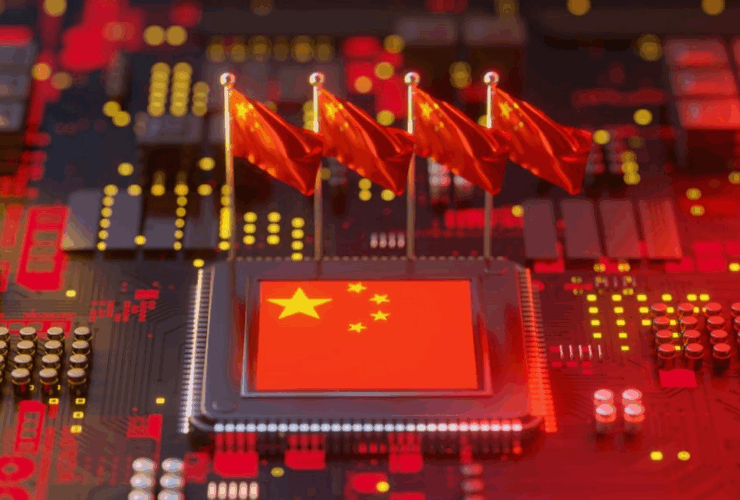
By Xu Yawen, from Beijing / China “A policy that causes America to lose half of the world’s AI developers is not beneficial long term, it hurts us more.” These remarks by Jensen Huang the CEO of Nvidia, at the company’s first developer conference in Washington, have garnered widespread attention in the global tech industry. Nvidia, once held 95% of ...
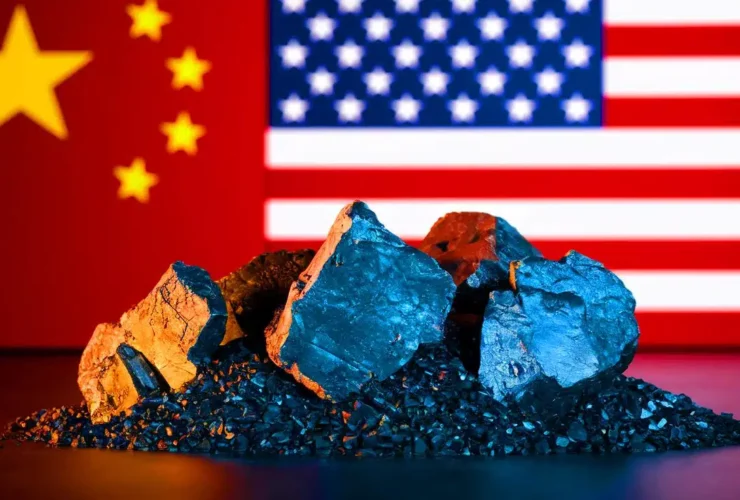
By Orçun Göktürk, from Beijing / China While the world was focused on U.S. President Donald Trump’s essentially “dictated” ceasefire in Gaza, his 20-point “Peace Plan,” and diplomacy in Western Asia, an unexpected move from Beijing redrew the global economic map and the contours of U.S.-China relations. On October 9, China’s Ministry of Commerce announced a new decree dramatically restricting ...
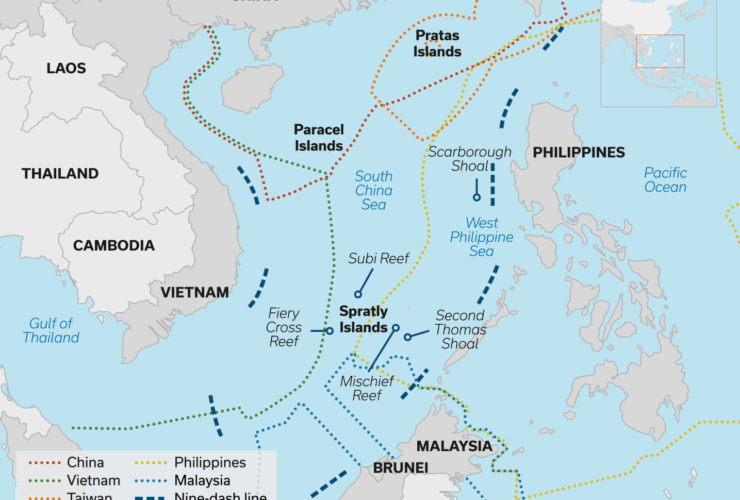
By Mehmet Enes Beşer There are fewer great power hotspots so long-lasting, so complicated, and so politically obstinate as the South China Sea. It has been a measure of great power competition, an experiment in naval convention, and a melting pot of nationalist anxieties for ten years. The 2025 picture is one of stalemate, more than solution, still less spectacular ...

The Center for National Strategy (USMER) has organized an international conference on the Eastern Mediterranean and the Black Sea on July 18 and 19 in Istanbul, Türkiye. Today, we present the speech of Tao Zan. Tao is the Vice-president of the Faculty for Regional Studies in the Beijing University, China. By Tao Zan, Vice-president of the Faculty for Regional Studies ...
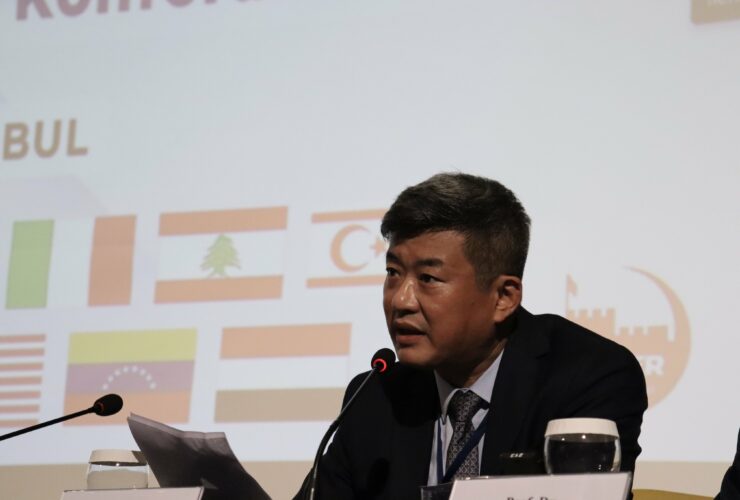
The Center for National Strategy (USMER) has organized an international conference on the Eastern Mediterranean and the Black Sea on July 18 and 19 in Istanbul, Türkiye. Today, we present the speech of Cong Song, Minister of the People’s Republic of China’s embassy in Türkiye. Distinguished guests and friends: The current international landscape is turbulent and volatile. Instability and uncertainty ...
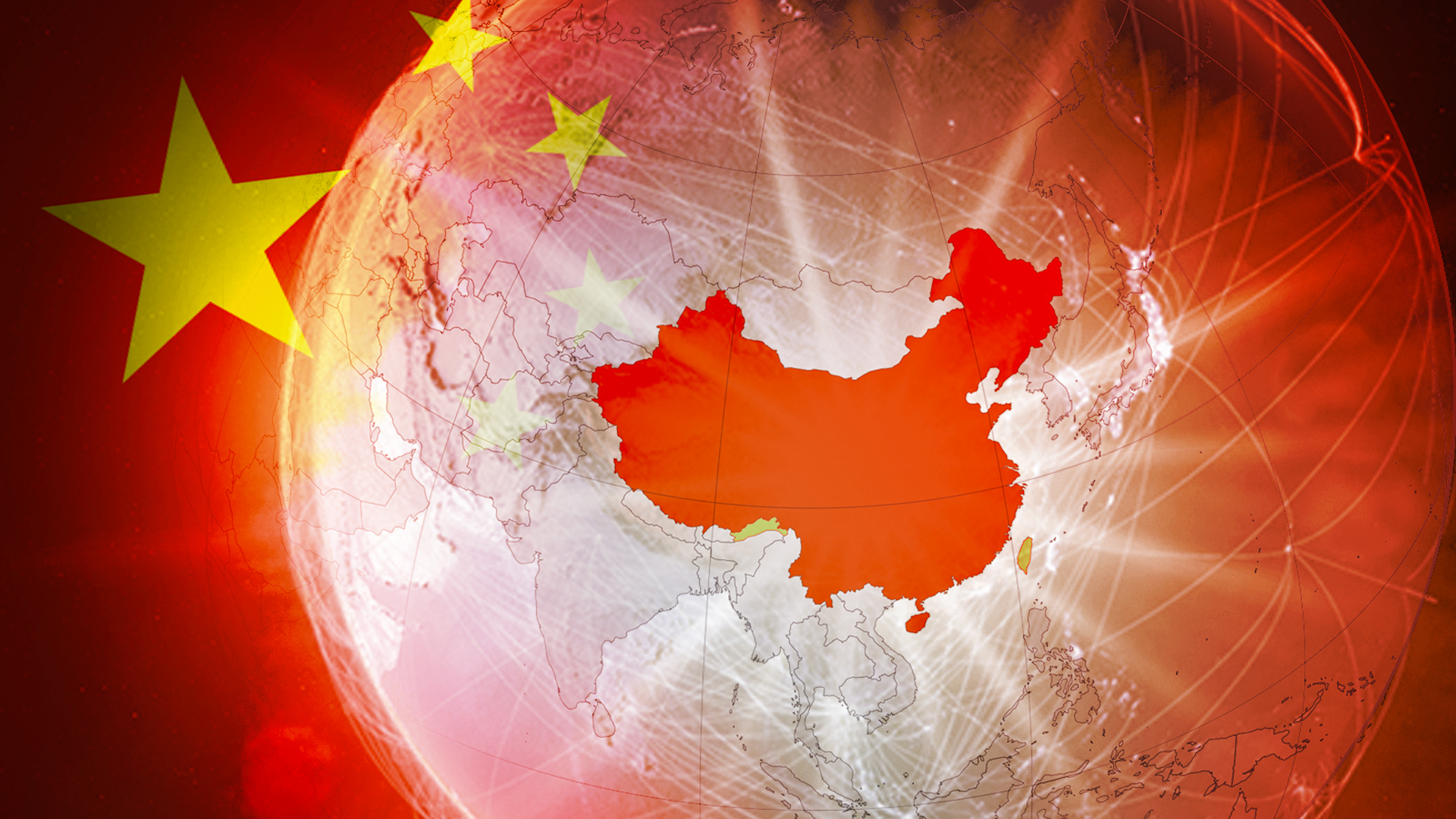
By Mehmet Enes Beşer International attention for much of the 21st century has centered on China’s economic ascendance. With its hyper-growth, global trade network, and wide-ranging Belt and Road Initiative, China has begun to challenge the United States on the most critical economic metrics. Less remarked but more in sight is that China is also making a low-key but determined ...
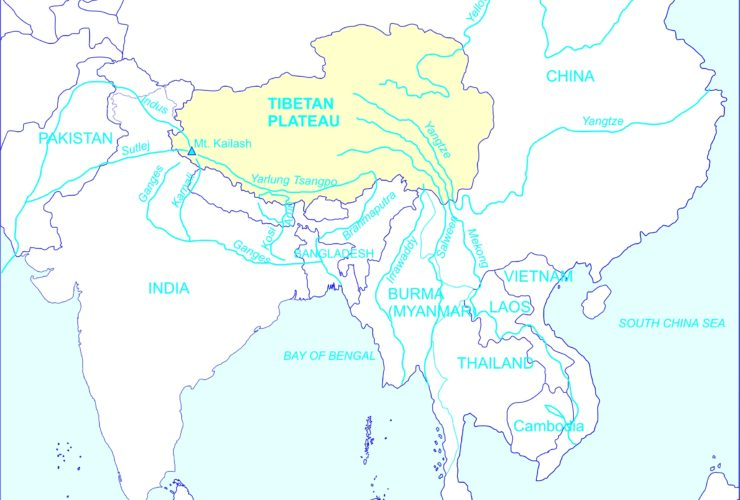
By Dure Akram, from Lahore / Pakistan The Brahmaputra is no longer just a marvel of nature. It has become a fulcrum of geopolitical power. From its origin in the highlands of Tibet to the crowded deltas of Bangladesh, the river now moves not just water, but strategy, pressure, and consequence. China has begun constructing the Medog (Motuo) hydropower project ...
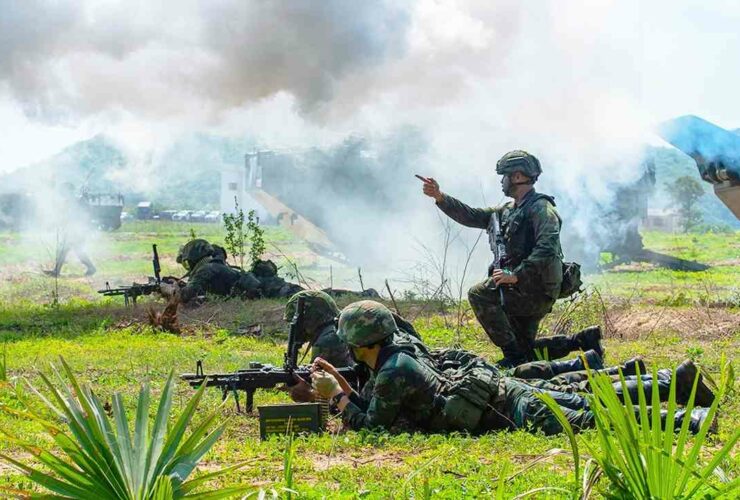
By Orçun Göktürk, from Beijing / China In recent days, a long-standing border dispute between Thailand and Cambodia has flared up once again: the Preah Vihear Temple and its surrounding area. This temple is not only a historical and religious monument, but also a symbol of sovereignty, national pride, and a focal point of great power rivalry in Southeast Asia. ...

While the United States designs wars, plans invasions, decides on sanctions, and implements tariffs against the entire world, China quietly advances its peace diplomacy. While Washington rhetorically spews forth its plan for planetary destruction, which it Machiavellianly executes, assuming that this will allow it to maintain its global hegemony, Beijing, quietly, builds a dynamic of peace and cooperation to make ...
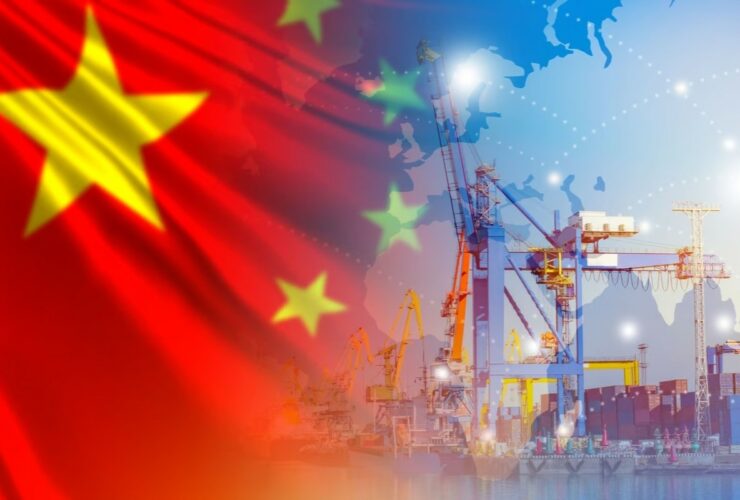
By Orçun Göktürk, from Beijing / CHINA A recent article published in the South China Morning Post—owned by Alibaba Group’s founder and one of China’s wealthiest figures, billionaire Jack Ma (Chinese name: Mǎ Yún)—was titled “New wave of globalization could be China-led”. The piece was authored by Wang Huiyao, the president of the Beijing-based think tank “Center for China and ...
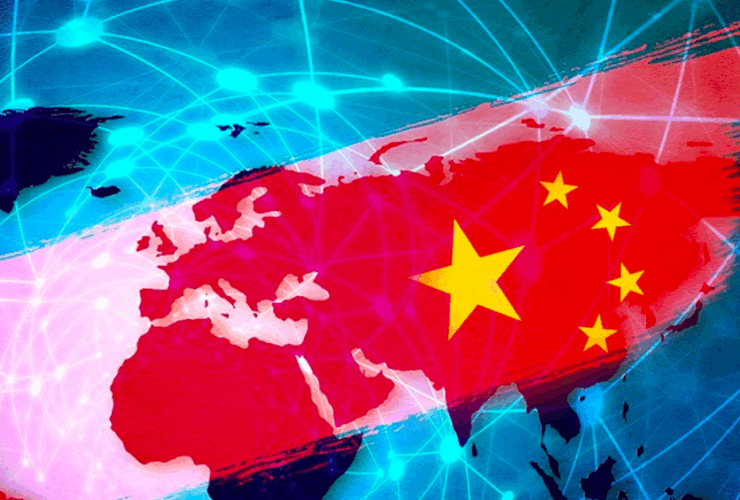
By Mehmet Enes Beşer With news of China’s alleged transfer of defense technology and weapons to Yemen, Beijing’s Middle East policy came under renewed questioning. While the specific scale and form of such aid remains unclear, the political ramifications of the news are certain. To others, these moves all add up to a real change in China’s role — reluctant ...
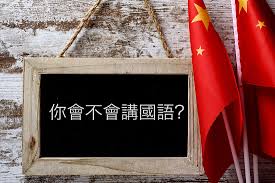
By Mehmet Enes Beşer Southeast Asia has always been a rich weave of cultures, languages, and identities. Diverse as that has been, it has also required a unifying linguistic strand that enables trade, diplomacy, and frequent intercourse across borders. European languages such as English, Dutch, and French served the purpose in colonial times. In the postcolonial period, English continued to ...