

UWI author, historian and political scientist Mehmet Perinçek followed the 28th St. Petersburg International Economic Forum (SPIEF) on-site, held in St. Petersburg from June 18–21, with 20,000 guests from 140 countries. Perinçek shared his impressions of the Forum and Russian President Vladimir Putin’s remarks and answers to journalists’ questions on Ceyhun Bozkurt’s program on Sputnik Radio. Perinçek also responded to ...
By Adem Kılıç, Political Scientist/Writer Last week, Israel’s war against Iran and the subsequent US intervention with attacks on nuclear facilities clearly showed that this is not just a crisis between two countries. Israel’s consecutive air strikes against Iran over the course of a week did not merely target Tehran’s nuclear infrastructure; they began to shake up both regional and ...
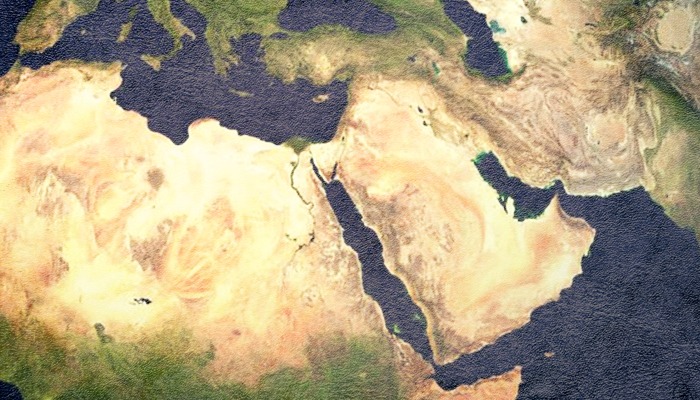
Once again, circumstances require a broader view of international conflicts. It seems reductionist to me to limit the recent events in West Asia to the idea of a bilateral conflict between Israel and Iran. What is happening has implications that go far beyond a simple confrontation between two countries, no matter how brutal the war may be. In reality, what ...
Israel has launched a wave of air strikes on Iran, hitting military leaders, nuclear and military sites overnight on 13th June. Hours after Israel’s attack, UWI author and political scientist Onur Sinan Güzaltan was a guest on Türkiye’s Ulusal Kanal. We present the question directed to Güzaltan and his answers. We’d like to begin with your initial assessment of Israel’s ...
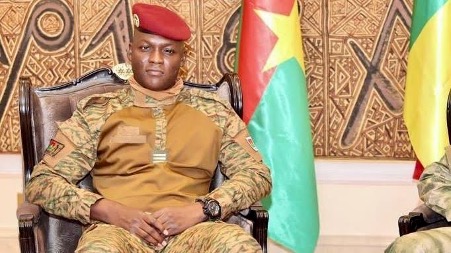
Introduction Burkina Faso, a landlocked West African nation, has experienced significant political and social upheaval in recent years. The rise of Captain Ibrahim Traoré to the presidency in 2022 marked a pivotal moment in the country’s history. This paper delves into the current situation in Burkina Faso, examining the socio-political dynamics that have shaped Traoré’s leadership and popularity. Burkina Faso, formerly ...
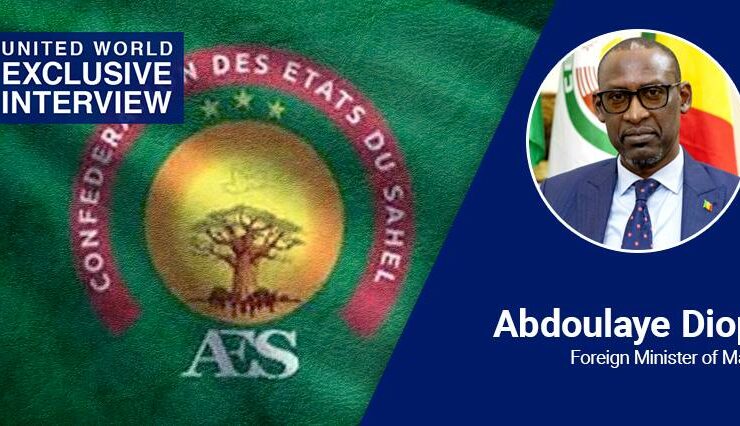
The three states of Mali, Burkina Faso and Niger have founded the Alliance of Sahel States, AES, in a bid to advance joint struggle against terrorism and pursue regional integration. We spoke to Mali’s foreign minister, Abdoulaye Diop, about the alliance’s foreign policy and reactions on the African continent, during the diplomacy forum of Antalya. The establishment of the alliance ...
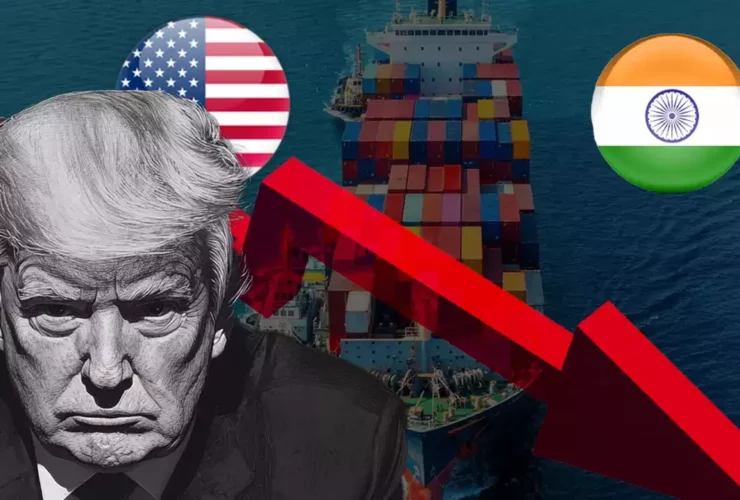
By Mehmet Enes Beşer The re-election of Donald Trump as the President of America in November 2024 has initiated a new cycle of economic nationalism, prompting every nation in the world to redesign its practice of trade. India, as a developing economy and with a checkered experience of dealing with America in the past, is at the crossroads. Trade relation ...

By Adem Kılıç, Political Scientist In the global arena, there is an environment in which many standards – from human rights to nuclear conventions, from international legal norms to social conventions – are failing, increasing insecurity and shaking the foundations of the so-called “rules-based” world order. Historically speaking, the global order has been shaped by two major historical turning points, ...
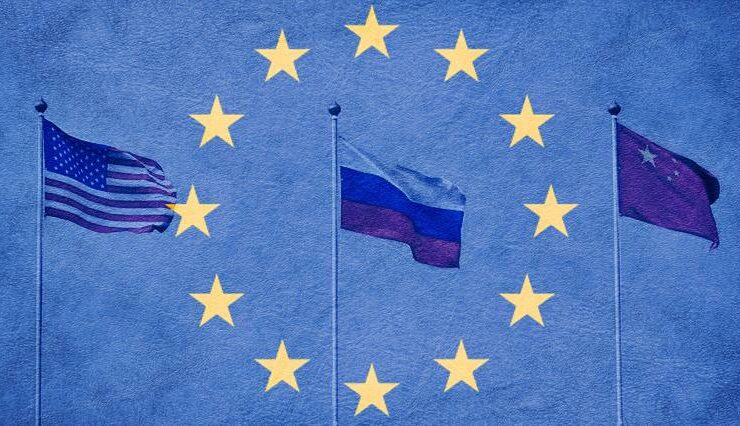
By Ali Rıza Taşdelen As international dynamics shift toward a multipolar world and a new global order emerges, the EU is becoming increasingly isolated. Being in a geopolitically and geostrategically fragile position, the EU finds itself floundering, anxious, and in search of its place in the face of the US, Russia, and China. In past geopolitical crises like those in ...
By Mehmet Enes Beşer As America doubles down on its dependence on tariffs and unilateral trade measures in the name of “economic security,” the world is now retaliating in kind—not by overt confrontation, but by subtle, incremental drifting apart. A process years in the making has now reached a new phase: de-Americanization of global trade. It is not a call ...
By Orçun Göktürk, Beijing / China President of the People’s Republic of China, Xi Jinping, paid visits to Vietnam, Malaysia, and Cambodia during a period when the trade war with the United States was intensifying. These countries hold great significance for China. Since the first trade war that began in 2017, these three countries have become major hubs for investments ...
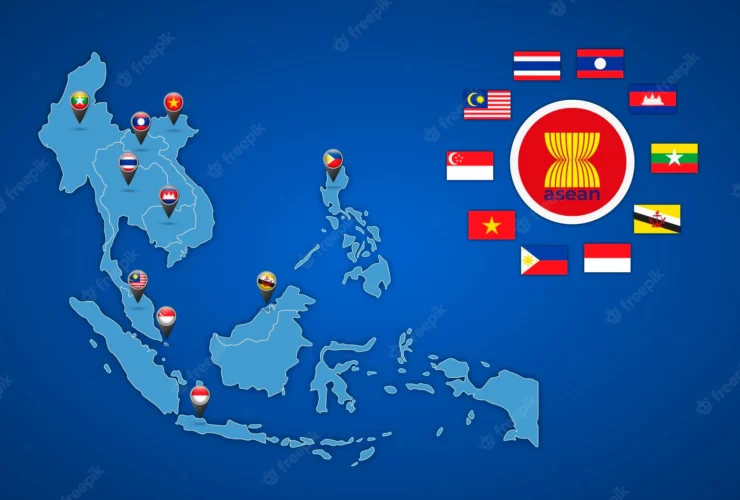
By Mehmet Enes Beşer The global geopolitical landscape is undergoing significant transformations, prompting regional blocs like the Association of Southeast Asian Nations (ASEAN) to reassess their strategic alignments. A notable development in this context is the deepening engagement between ASEAN member states and the BRICS consortium—comprising Brazil, Russia, India, China, and South Africa. This evolving relationship reflects ASEAN’s adaptive strategies ...