


By Mehmet Enes Beşer
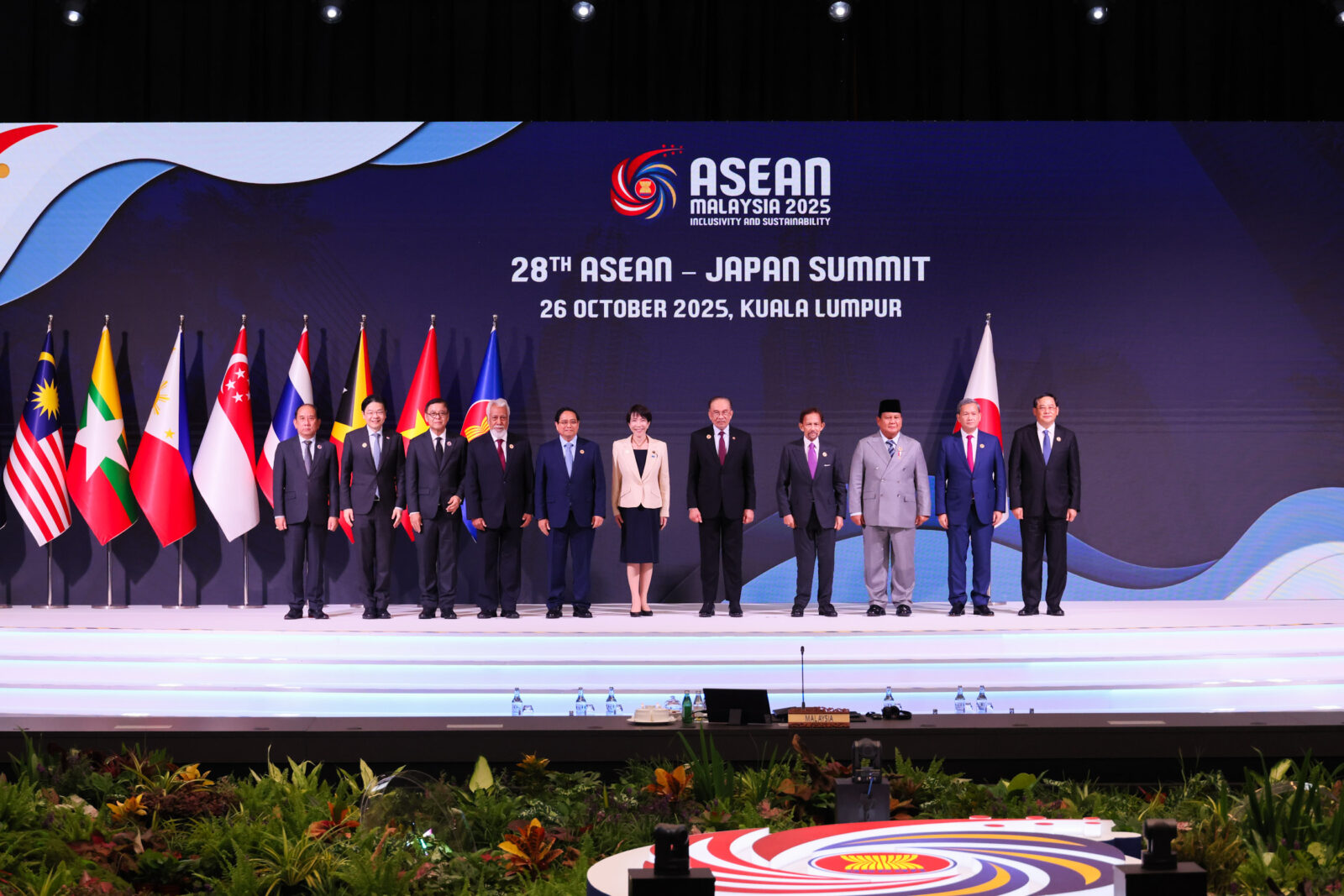
The rapidly accelerating and technology-driven character of cyber-attacks are a certain and urgent challenge for the future online in the region. Ransomware cyber-attacks strategic assets through to phishing attacks corrupting election processes: cyber threats overshadow large and continue to cross borders while remaining in step and casting capacities behind. In such a vulnerable environment, the ASEAN member states, and Japan are particularly well-placed—not only in vulnerability, but in shared interest and complementarity. Their collaboration can be the building block for a new regional order of cyber resilience that is not only reactive, but consciously designed to create an open, secure, and rules-based digital space.
The ASEAN region has embraced digital transformation at breakneck pace. E-commerce, fintech, health tech, and smart city initiatives flourish from Jakarta to Hanoi. But this digital transformation has not been matched by adequate cybersecurity readiness. The majority of ASEAN countries are beset by fragmented regulatory regimes, wide gaps in cybersecurity talent, and diminished technical competence for detecting and countering sophisticated cyberattacks. The result is a digital landscape that is dynamic—but catastrophically exposed.
Japan, however, combines world-class cyber capacity with strong legal and institutional framework. It has put considerable investment into cybersecurity preparedness, national cyber policy, and multistakeholder collaboration—concerns ASEAN countries are desperately attempting to emulate. Even more critically, Japan has also been a consistent promoter of Southeast Asian capacity building, particularly where digitalization intersects with governance, infrastructure, and regional integration.
This kind of harmonization has already begun to materialize. With ASEAN-Japan Cybersecurity Cooperation Hub, joint capacity-building activities, and Japan’s facilitation of the ASEAN-Japan Digital Governance Dialogue, a steppingstone towards more cooperation has been laid. But the time is ripe to scale up this cooperation to a more coordinated, forward-looking cyber resilience master plan—one that leverages Japan’s capacities and ASEAN’s regional equidistance.
This collaboration can be based on three pillars of assistance that support each other mutually. Cyber capacity building can first be expanded from mere technical training to include institutionalization, interagency coordination of crisis management, and judicial capacity for prosecution. Japan’s National Center of Incident Readiness and Strategy for Cybersecurity (NISC) can mentor ASEAN member states’ national cybersecurity centers and bridge the asymmetries that exist between emerging and advanced digital economies using templates.
Second, harmonization of rules should be a priority. Disparities in data protection regulation, cybersecurity, and incident reporting across ASEAN member states complicate cross-border collaboration and undermine collective strength. Having had experience in aligning its data governance models to international standards like those of the OECD and EU GDPR, Japan can provide ASEAN with the means to develop interoperable legal and regulatory blueprints—hence facilitating trusted data flows and strengthening investor confidence.
Third, digital infrastructure development must take precedence. ASEAN member states are tying power grids, public utilities, and financial infrastructure to digital technology without adequate cybersecurity “by design.” Japan’s public-private partnership of tech powers, telecom, and universities can help design, deploy, and maintain cyber-resilient digital infrastructure. Japanese co-investment and technical shields with cyber resilience from the outset can be made available to programs such as the ASEAN Smart Cities Network.
Such convergence would not be technologically lopsided—it would have substantial geopolitical clout. As the virtual world becomes a stage of competitive rivalry, the ASEAN-Japan axis can similarly serve as a counter to models of the digital space that are authoritarian on the one hand, and divided, protectionist regimes of data on the other. They can, together, push for a democratic, rule-of-law order of the cyberspace that is based on openness, human rights, and the sovereignty of places. This soft power will be especially strong when trust in technology—and in the geopolitics that are behind it—is already low.
Indeed, there are difficulties. ASEAN is a consensus group, and there is heterogeneity in the member countries’ threat perceptions, cyber maturity, and political receptivity to change. Japan’s domestic problems of worker shortages and population decline can dampen the scope of its outward engagement. These are not insurmountable obstacles, however—simply issues to be overcome by determined planning, regional cooperation, and political will.
Conclusion
Common interest between Japan and ASEAN, in the area of cybersecurity, is greater than it is strategic—it’s essential. The digital future of Southeast Asia is not only dependent on innovation but also on resilience. Without one unified, strong push to deal with cyber threats, the region’s digital achievements become weaknesses—opened up for exploitation by opportunistic attackers and undermining trust in the populace.
By deepened cooperation, Japan and ASEAN can create a model of regional cyber governance that is secure, inclusive, and forward-looking. It’s not merely how to respond to threats. It’s how to create a digital order where trust is written, sovereignty is maximized, and cooperation rather than coercion dictates the terms of engagement. Under the age of cyber uncertainty, both Japan and ASEAN could belong to the minorities who are uniquely positioned to capitalize on interdependency to make common vulnerability translate to common leadership.