


By Héctor Bernardo* The Milei government seeks to modify current regulations to deepen its alignment with the United States, allow for the expansion of extractive industries, and consolidate the re-primarization of the economy. The project aims to attract investment and secure rapid access to foreign currency, enabling the government to show signs of recovery within the context of a collapsing ...
By Mehmet Enes Beşer As geopolitical rivalry between the US and China grows, the technology domain is, by far, the most contentious field. The new international technological order is being shaped increasingly by not cooperation or rivalry, but by a climate of suspicion as well as by strategies of containment, such as in semiconductors, 5G networks, artificial intelligence, and quantum ...
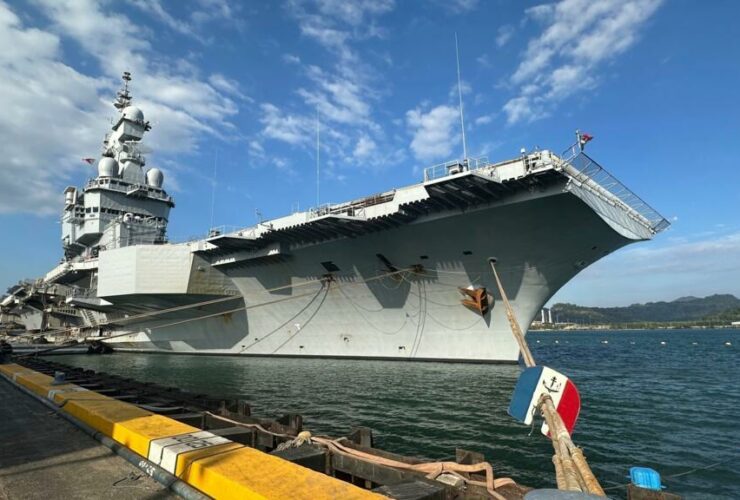
In recent weeks, the island of Cyprus—long a fault line between competing geopolitical visions—has once again emerged as a focal point of escalating military activity. A surge in Western deployments, concentrated primarily in the island’s southern half, has raised alarm bells across the region. While officials in European capitals frame the buildup as a defensive necessity amid rising tensions in ...
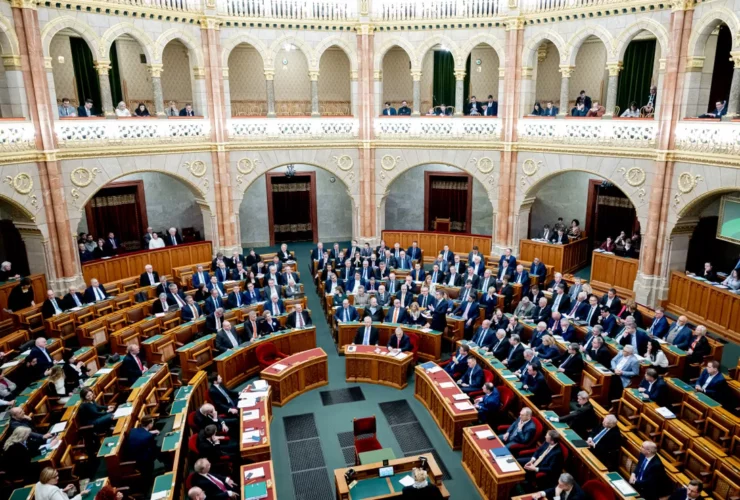
By Yasin Okyay Hungary is holding parliamentary elections on April 12. There are two parties with a real chance of winning the elections: Fidesz and Tisza. When looked at in a broader context, the contest between them appears to be part of a larger struggle within the EU, between Brussels and the Brussels-opposed European Patriots bloc. Indeed, in recent days, ...
By Orçun Göktürk / President of the Sino-Turkish Studies Center The war launched against Iran following the assassination of Iran’s Supreme Leader Ali Khamenei on February 28-carried out by Washington and Tel Aviv while negotiations with Tehran were still ongoing-has now exceeded its first month. The operations initiated under Trump’s “regime change in Iran” strategy continue in the face of ...
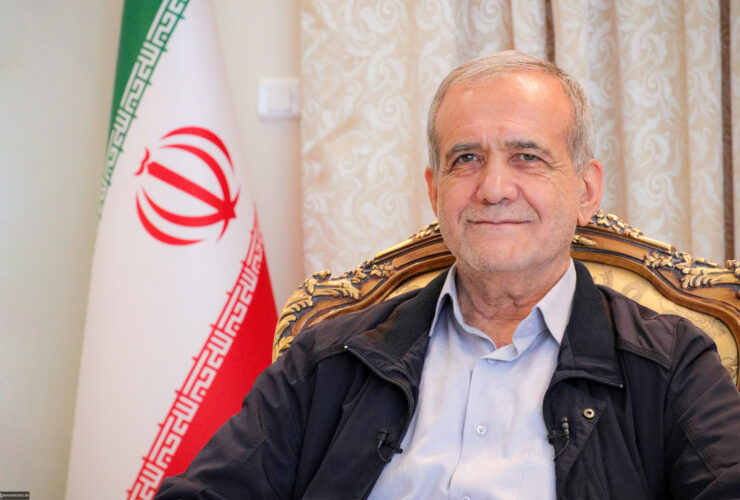
Iranian President Masoud Pezeshkian has released an open letter to the American people, questioning whether Washington is truly putting “America First” or merely acting as a “proxy for Israel” willing to fight “to the last American soldier.” In the Wednesday message, which traces the roots of US-Iran tensions back to the 1953 coup while condemning recent bombings of Iranian infrastructure, ...
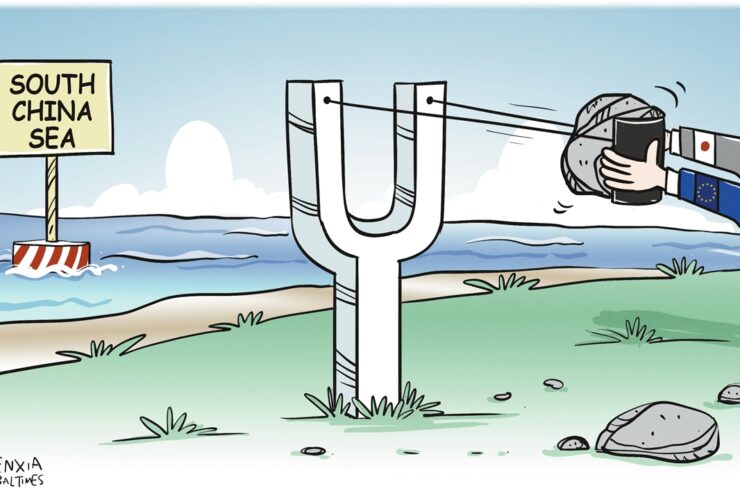
By Mehmet Enes Beşer The South China Sea has been the Indo-Pacific’s most combustible hotspot for many years. With rival claims within the sea, strategic sea lanes, and delicate military capabilities, the area needs to be managed with careful diplomacy, each party exercising restraint, and regional stewardship to prevent tensions from increasing. But recent moves by players outside the proximate ...
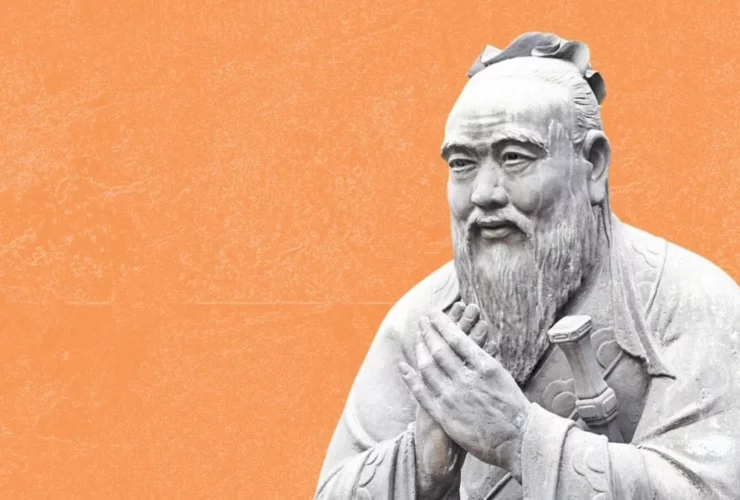
By Zhang Weiwei The Executive Intelligence Review (EIR) organized an online forum on March 2, 2026, titled “Epstein and the Bottomless Depravity of the Elites – Urgent Need for a Cultural Renaissance!” Zhang Weiwei held a speech here. Below is the transcription. Hello Madame Helga LaRouche, hello everyone. Today, really, the world is in crisis, in chaos. There is a ...
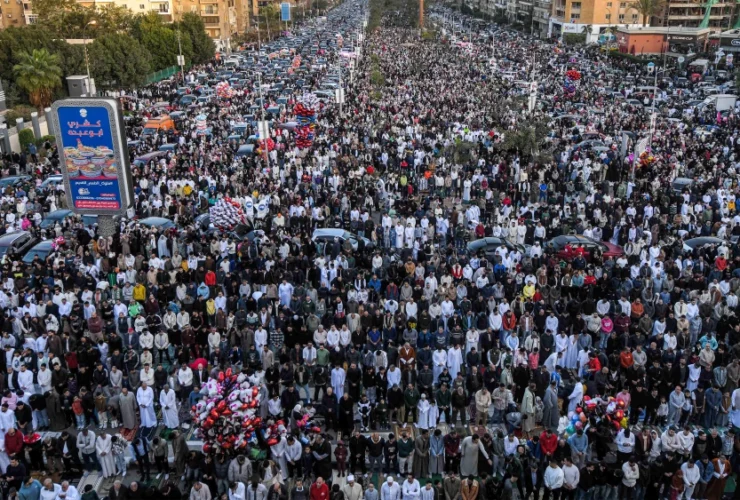
The Egyptian stance—at both the popular and official levels—regarding the U.S.-Israeli war on Iran represents a significant manifestation of the political and collective psyches that shape Cairo’s engagement with foreign events. This remains an issue that eludes the understanding of outsiders and foreigners, even those who have lived in Egypt or closely studied its political, social, and historical landscape. Expectation ...
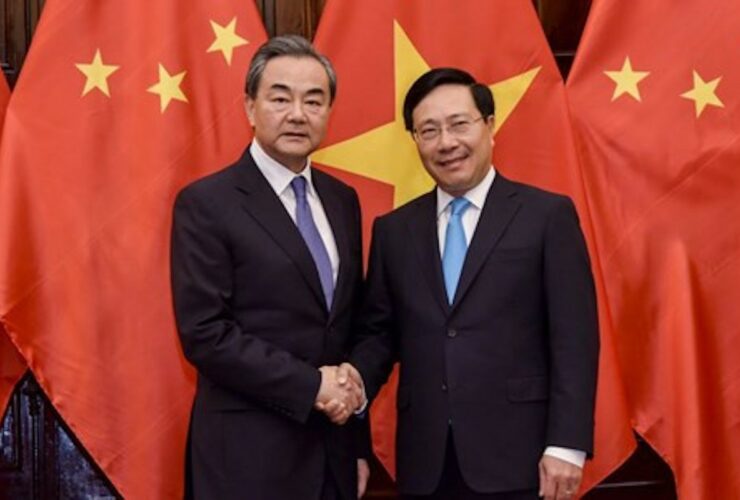
By Mehmet Enes Beşer Vietnam has walked a cautious path on China’s Belt and Road Initiative (BRI) for years, not wishing to become too entangled in Beijing’s geoeconomic orbit. While Hanoi has publicly endorsed the BRI, its participation has been low-key by intention compared to Indochinese neighbors Laos and Cambodia. But as new realities in gestation—like the appearance of BRI ...
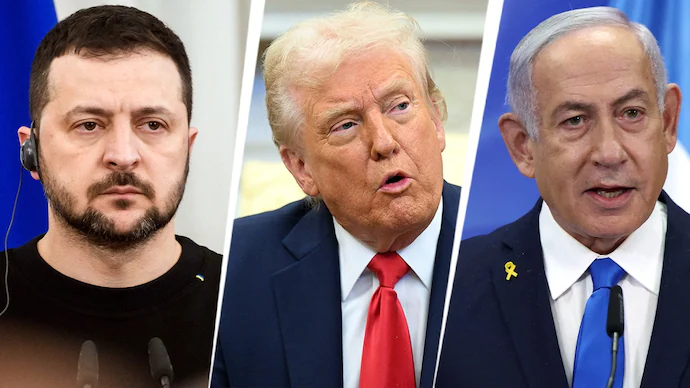
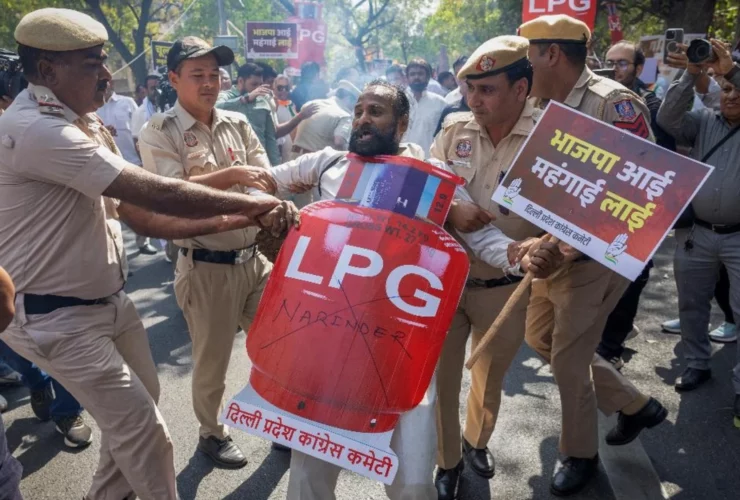
By Yunus Emre Özgün The global economy is once again exposing its extreme fragility in the wake of the closure of the Strait of Hormuz. As the tension in the Middle East mutates into a global energy shock, the US decision to suspend sanctions on Russian oil for 30 days has brought the deep fractures within the Western alliance to ...
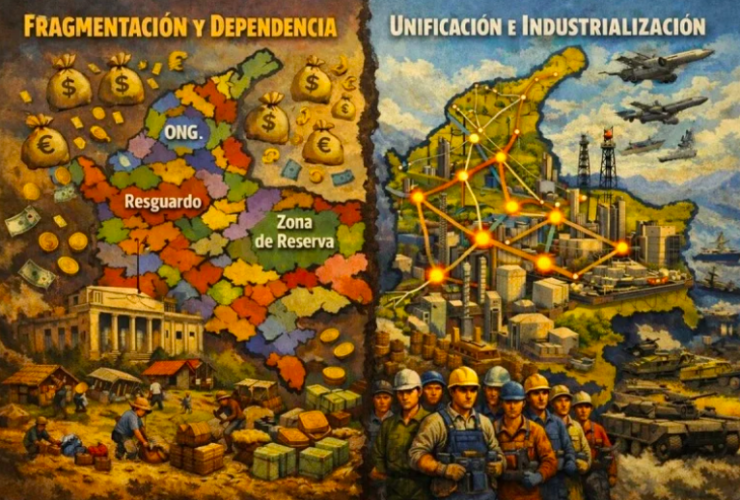
By Yenny Betancur Gutiérrez* The 2026 elections in Colombia reflect a structural crisis of sovereignty, marked by identity fragmentation, the influence of international actors, and the weakness of the State to control its territory, economy, and institutions. Analyzing the political reality of Colombia in the context of the 2026 parliamentary elections demands a profound perspective. Colombia is not a sovereign ...