

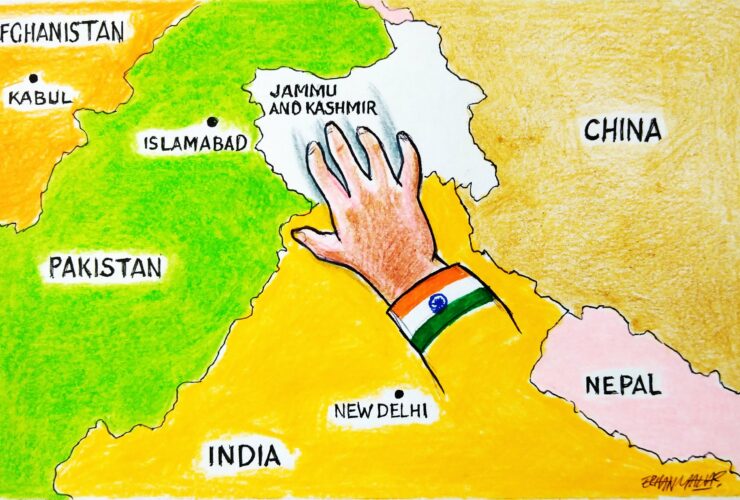
By Mehmet Enes Beşer There’s a phrase New Delhi repeats whenever Kashmir comes up: internal matter. It’s said with the confidence of a closing argument, as if the words themselves are supposed to end the conversation. But Kashmir isn’t a zoning dispute. It’s a contested political future, an unfinished promise from 1947, and—most importantly—a lived reality for millions of Kashmiris ...
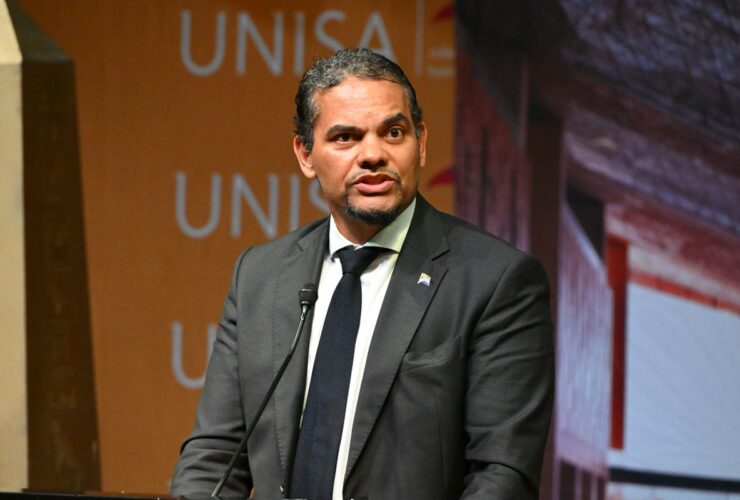
A New Global Resource Race As the global economy accelerates toward decarbonization and digital transformation, critical minerals have become indispensable to modern industry. Lithium, cobalt, rare earth elements, and platinum group metals underpin electric vehicles, renewable energy systems, and advanced technologies. Their rising importance is reshaping global supply chains and intensifying geopolitical competition. In this context, Africa—and particularly South Africa—has ...
The Turkish Psychologists Association (TPD) has exposed the blatant double standards of the European Federation of Psychologists’ Associations (EFPA). While the EFPA cites “political neutrality” regarding Israel’s military aggression in the Middle East, its previous expulsion of Russia over the Ukraine conflict reveals a deeply rooted selective morality within Western-centric scientific institutions. As the humanitarian crisis in the Middle East ...
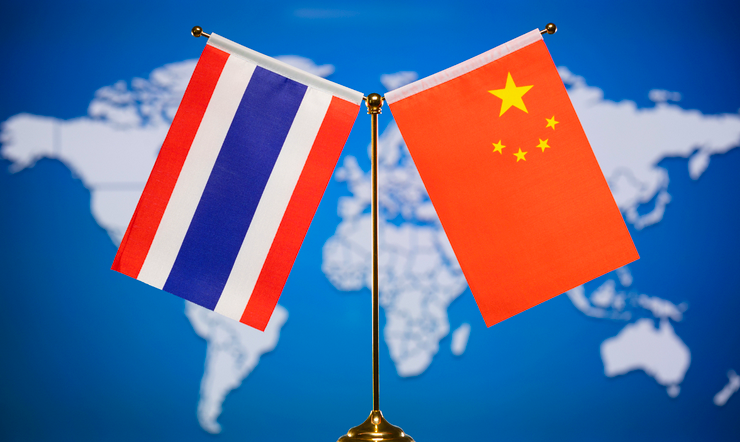
By Mehmet Enes Beşer Among the Asia-Pacific geopolitics geographies in transition today, few bilateral relations have so much low-key potential as China and Thailand. For centuries, united by mutual culture, good commerce, and overlapping strategic interests, the two nations have shared a stable friendship traditionally described as “as close as one family.” But in today’s dynamic era of economic rebuilding, ...
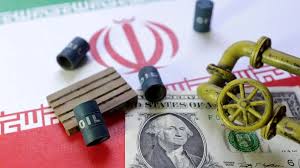
By Serhat Latifoğlu US President Roosevelt and Saudi King Abdulaziz laid the foundations of the petrodollar system on February 14, 1945, during their meeting aboard the USS Quincy. It was based on a very powerful formula: oil and dollars in exchange for security. The US would provide military guarantees to the Gulf countries; in return, oil trade would be done ...

By Feyyaz Erkin Eşli On April 15, 2026, Russia’s Ministry of Defense released a significant statement regarding the continuation of the armed conflict between Russia and Ukraine. It was reported that on March 26, 2026, a number of European countries decided to increase the supply of military drones to the AFU (Armed Forces of Ukraine), indicating that European states have ...
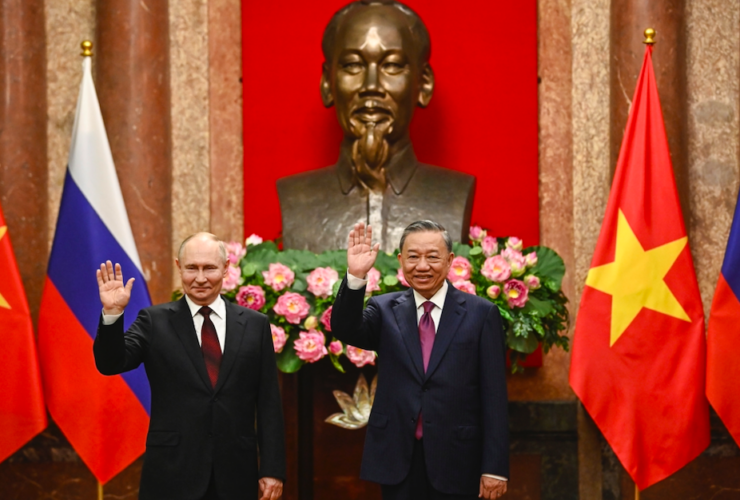
By Mehmet Enes Beşer As Russia-China strategic alignment becomes increasingly solidified with yet further heightening passion—based on converging geopolitical interests crossing and heightening economic interdependence—the world of Southeast Asia has watched with keen interest. Among them, however, Vietnam will be the hardest hit by the impact of the solidified axis. While other nations in the region have enjoyed friendly relations ...
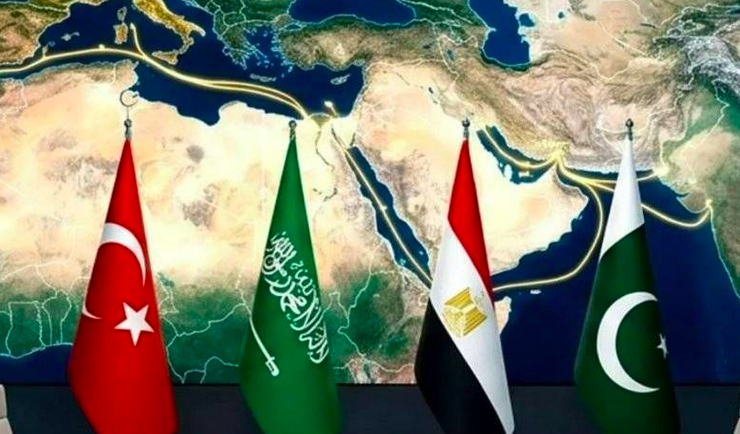
By Dure Akram, from Lahore / Pakistan In Muscat this week, Iran’s foreign minister Abbas Araqchi sat opposite Oman’s Sultan Haitham bin Tariq and delivered a blunt message that echoes far beyond the Gulf: foreign military presence, Tehran argues, is not a source of security but a driver of insecurity. His call for a regional security framework echoed through Islamabad earlier ...
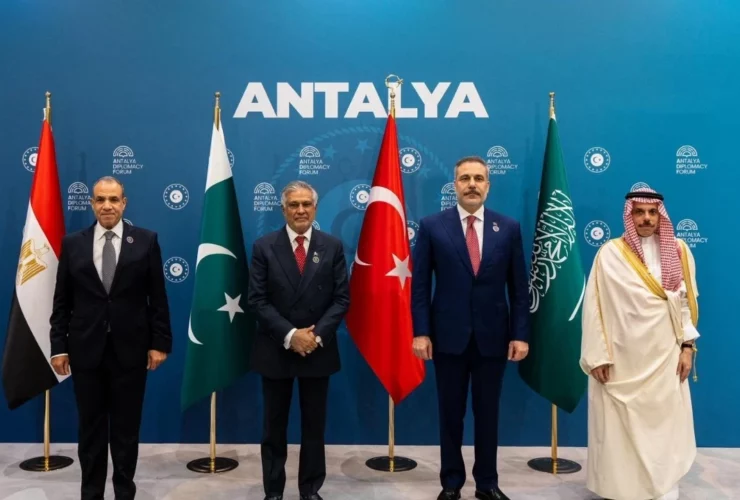
A few years ago, even the most optimistic observers would not have dared to imagine the Middle East, or the Islamic world at large, witnessing an alliance between its traditional or central powers. This was simply because those powers were embroiled in varying degrees of dispute and rivalry. The rivalry between Egypt and Türkiye was stark and overt following the ...
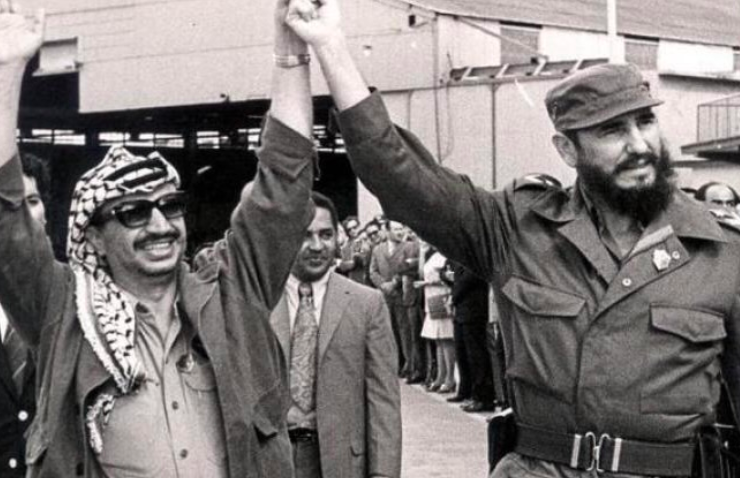
On April 22, 2026, a round table discussion titled “Fidel Castro and World Politics: The Cuban Experience in Diplomacy and International Relations” was held in Moscow, hosted by the Patrice Lumumba Peoples’ Friendship University (RUDN) in collaboration with the Fidel Castro Foundation. Dr. Mehmet Perinçek gave a speech at the meeting, which brought together academics and diplomats. We are sharing ...
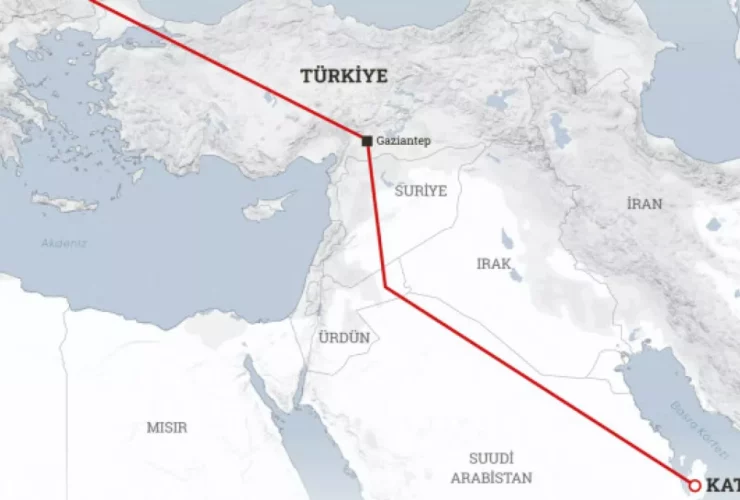
Türkiye seeks to offer alternative trade and energy routes following the closure of the Strait of Hormuz by Iran in the war against the US and Israel. The “Middle Corridor”, which bypasses Iran, is considered alternative routes for Qatari natural gas and Iraqi oil, which are currently dependent on the Strait of Hormuz. “Island of stability” In a recent statement, ...

By Mehmet Enes Beşer Paris wants the world to believe New Caledonia is an internal administrative matter—an overseas “territory” managed through lawful procedures, democratic votes, and carefully branded “dialogue.” That story is convenient. It’s also colonial. Because when a European state holds a Pacific people inside its republic by force of history, demography, and bureaucracy, that is not a neutral ...