


Decolonization is not merely the political independence of a society, but the process of dismantling the structures left behind by colonization that is, the economic, cultural, military, and epistemic domination of one people by another power. In other words, decolonization is the effort to reconstruct societies as historical, cultural, and intellectual subjects by eliminating the relations of dependency, identity fractures, and external domination over knowledge ...
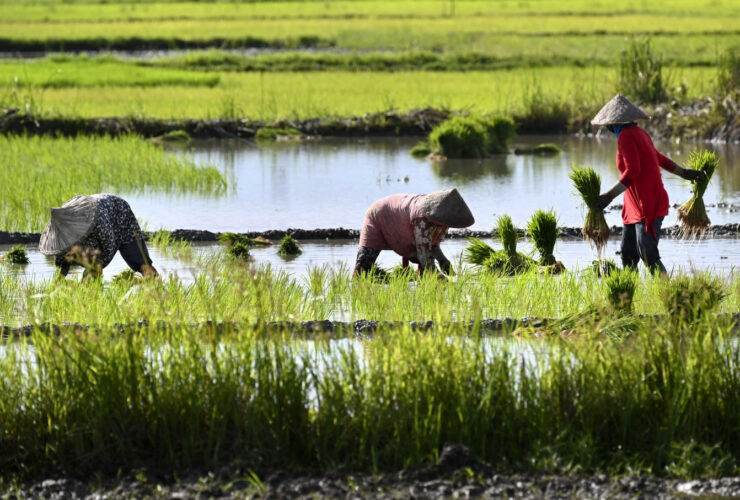
By Mehmet Enes Beşer Indonesia’s historic vision of rice self-sufficiency has continued to be driven by political and developmental imperatives. With the fourth-highest population in the world and one of the highest per capita consumers of rice, an assured domestic supply of rice has been at the center of Jakarta’s food security policy. But while global rice markets remain destabilizing ...

On May 21, the 36th Civil Chamber of the Ankara Regional Court of Justice ruled that CHP’s (Republican People’s Party) 38th Ordinary Elective Congress was legally invalid due to “absolute nullity”. Last year, a lower court ruled against claims of irregularities and misconduct in the CHP Congress and Özel’s election, but this recent decision overturned the previous verdict. This ruling, ...

By Mehmet Enes Beşer Energy security is the Philippines’ biggest policy challenge. Regardless of the grandiosity of the country’s energy master plans and reform packages, breakthroughs always result in an insecure and unacceptable energy complex. Periodic power outages, unaffordable electricity, over-reliance on imported fossil fuels, and under-investment in infrastructure spending are all symptoms of an energy arrangement that is unable ...
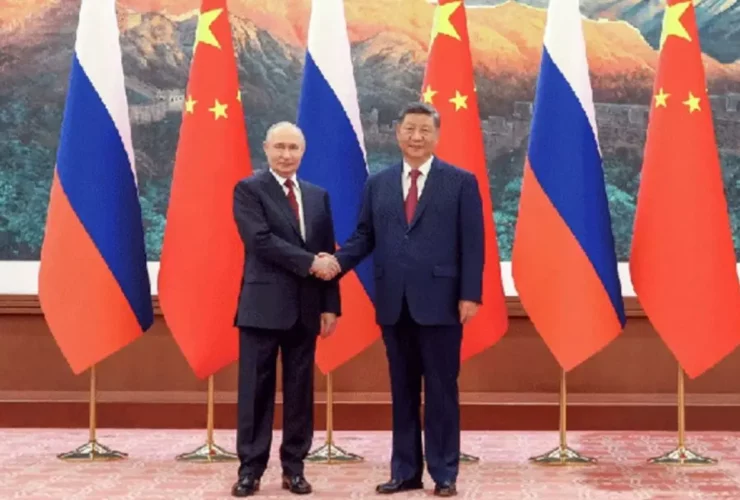
UWI author, historian, and political scientist Associate Professor Mehmet Perinçek joined CGTN Türk Radio as a guest to evaluate Russian President Vladimir Putin’s 19-20th May visit to China. — Changes not seen for 100 years Dr. Perinçek, let’s start with your general evaluation. What do you think this visit means? Putin’s visit cannot be viewed as a routine bilateral relationship. ...

By Arnold Schölzel Military planning certainty looks different, and reliable foreign policy is nonexistent. With Donald Trump, this is even less true than usual when it comes to so-called allies—in other words, loudmouths. Anyone expecting this has been asleep since his second term and should rethink their political approach. The Western European approach is straightforward, so it wouldn’t pose a ...
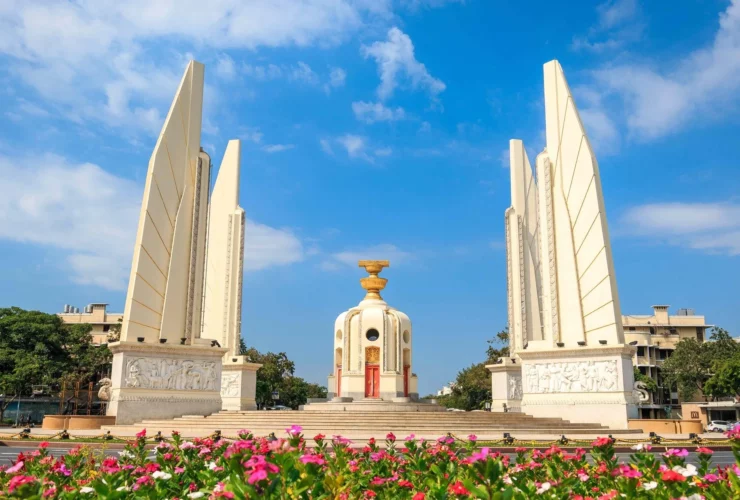
By Mehmet Enes Beşer Thai political history is a rich tapestry of promise after promise of democracy again and again yanked back into authoritarian regression. Consciences have been written and rewritten over the years with the very purpose of eschewing political takeover, keeping populism under control, and protecting government against corrupt or destabilizing forces. But ironically, it is these very ...

By Kiyoshi Hoshino (RIMPEACE Editorial Board / Part-time University Lecturer) Attack on Iran from Yokosuka This war, which began on February 28, 2026, with a preemptive strike by the US and Israeli militaries that clearly violated international law, is using US military bases in Japan as launching points. By the time the attack began, three destroyers based in Yokosuka—the USS ...

May 19th, 1919, is the date Mustafa Kemal Atatürk arrived in the northern Turkish city of Samsun to start the armed struggle against the imperialist occupation of Türkiye and its collaborators. The date is considered as the beginning of the war of liberation. It is today celebrated as official holiday as the “Day of Commemorating Atatürk, the youth and sports”. ...
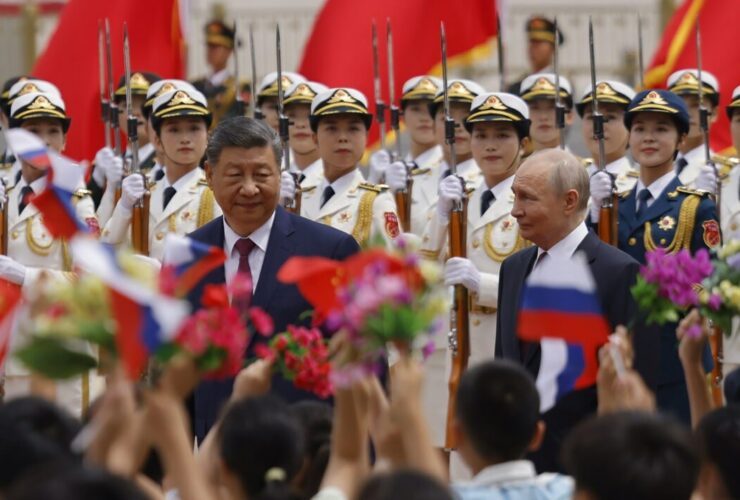
Russian President Vladimir Putin visited China on May 19-20 and held important meetings with Chinese officials, including his Chinese counterpart, Xi Jinping. UWI writer and political scientist Dr. Onur Sinan Güzaltan evaluated Russian President Putin’s visit. How would you generally assess the outcomes of Russian President Vladimir Putin’s visit to China and his meeting with Xi Jinping? They held a ...

By Mehmet Enes Beşer With a vision to be among the highest priorities of the Belt and Road Initiative (BRI), China’s Digital Silk Road (DSR) has been slowly piercing Southeast Asia. From the underwater mosaic of cables and cloud hubs to e-commerce platforms and smart city technology, the DSR has been Beijing’s master plan for digital interconnectivity, standards, and influence ...
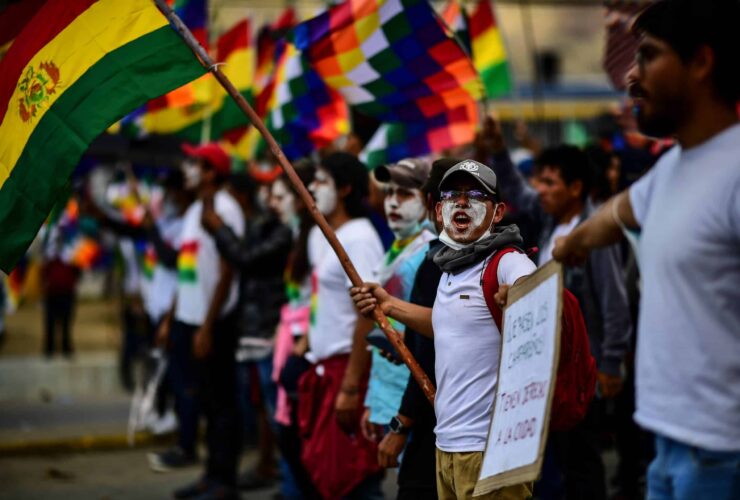
By Oscar Rotundo What is happening in Bolivia today is not an isolated event or a passing conflict. It is the culmination of a historical process that began almost two decades ago, when a political and social transformation broke with centuries of inequality, and which today faces an attempt to reverse it, jeopardizing the very future of the country. To ...