

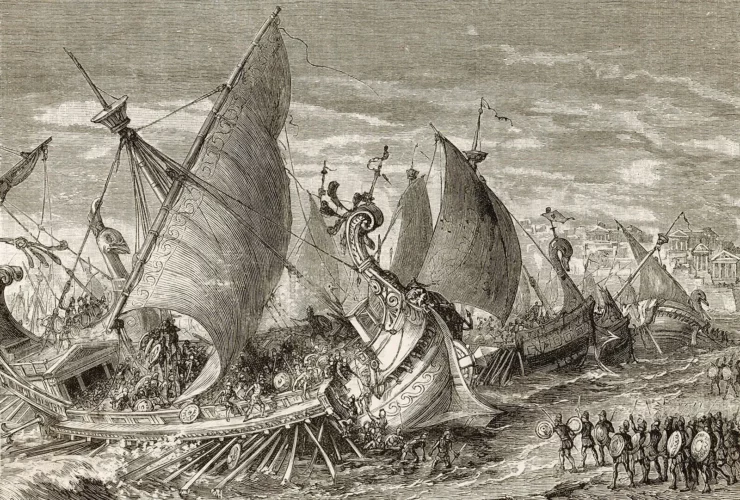
By Adem Kılıç, Political Scientist Now entering the third month of his war with Iran, Trump has reached a critical crossroads. Hundreds of airstrikes may have killed Iran’s top-tier leaders, severely damaged its air force and navy, and depleted its missile stockpiles and production facilities, yet Iran continues to defy the U.S. Even after targeting its Arab neighbors, U.S. bases, ...
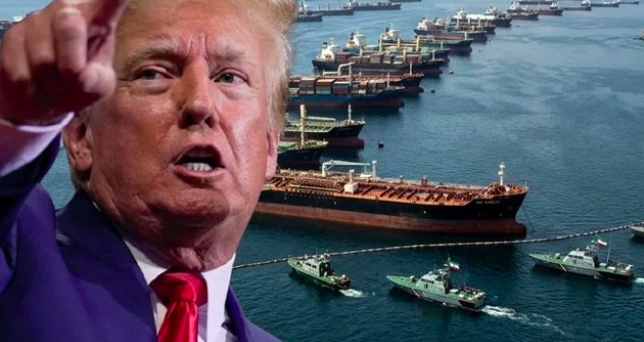
By Adem Kılıç, Political Scientist The war that U.S. President Trump declared “won” in its very first week now presents a very different picture, especially when viewed from the Pentagon’s perspective. The reality on the ground has not deterred Iran but, on the contrary, has led Iran to come to the negotiating table with even greater confidence than it had ...
The war, which began with the US-Israeli attack on Iran on February 28, 2026, is currently in a period of ceasefire. What follows remains highly uncertain. A process full of fluctuations and contradictions continues to unfold. What is certain, however, we are at a stage to be able to grasp what has happened so far and draw some conclusions. The ...
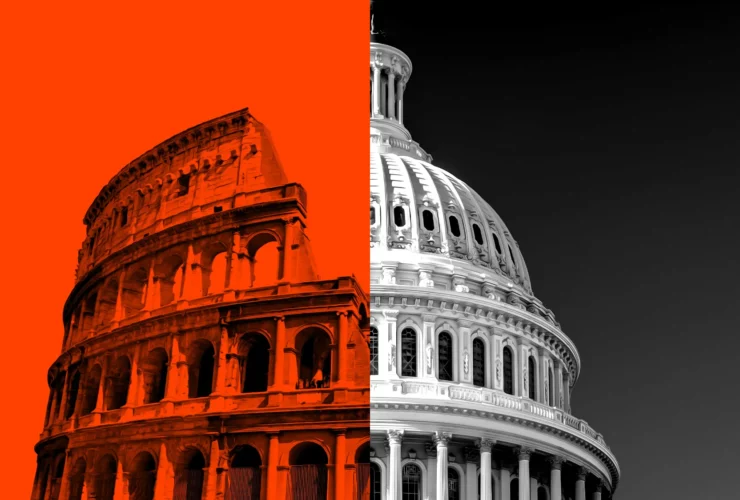
The American empire seems to be sinking deeper into a quagmire of war with Iran, with only bad options on the horizon. Donald Trump is now being urged to resolve this disaster as quickly as possible. Perhaps the decisive factor is that the war has begun to strain the lives of Americans. Once again, the lesson of “economy, stupid” resurfaces, ...
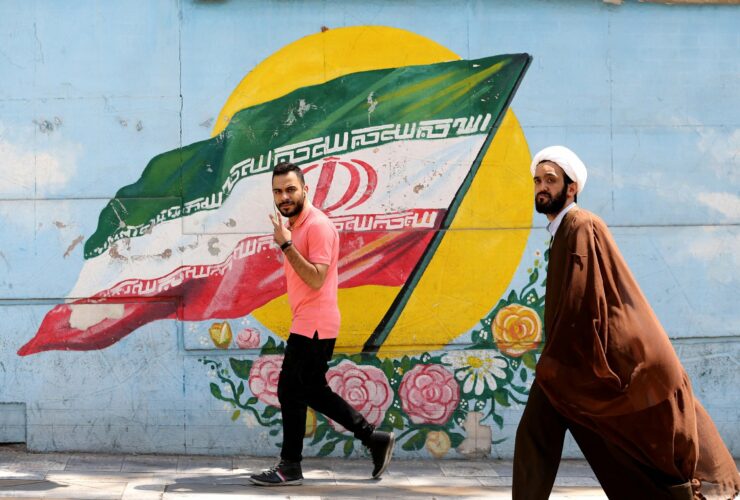
The war, which began with the US-Israeli attack on Iran on February 28, 2026, is currently in a period of ceasefire. What follows remains highly uncertain. A process full of fluctuations and contradictions continues to unfold. What is certain, however, we are at a stage to be able to grasp what has happened so far and draw some conclusions. The ...
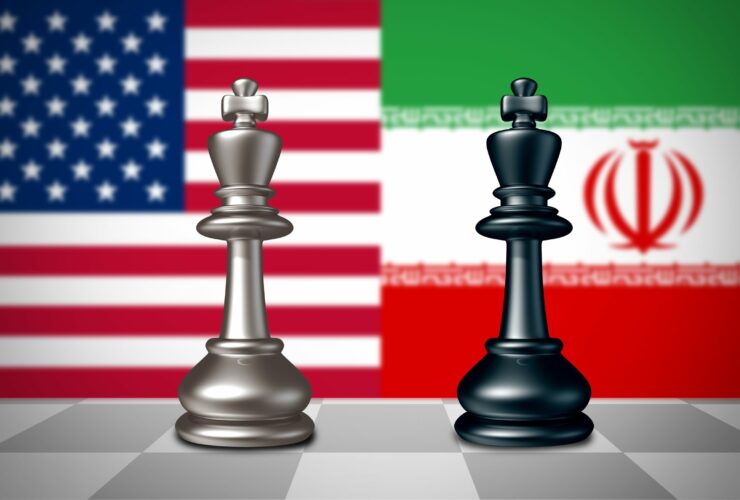
By Adem Kılıç, Political Scientist The tensions between the United States and Iran are unfolding not as a formally declared war in the classical sense, but rather through a hybrid conflict model. The parties are avoiding direct, large-scale military confrontation. Instead, by steering clear of what is militarily defined as “territorial dominance,” they continue to wear each other down through ...
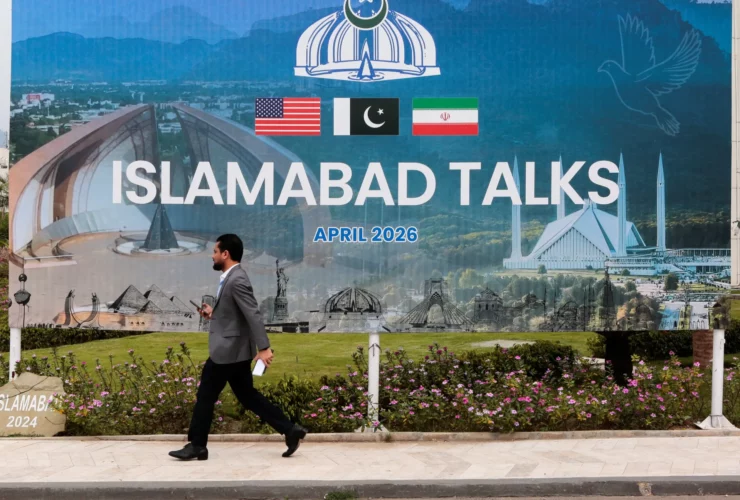
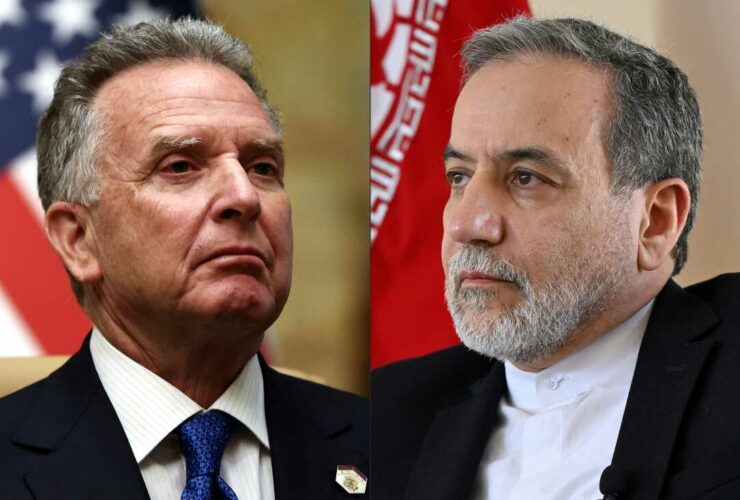
As expected, the talks between Iran and the US failed to produce any results. Ahead of the negotiations, Iranian Vice President Mohammed Reza Aref had drawn attention to Israel’s influence over the US, stating: “If we negotiate in Islamabad with representatives of ‘America First,’ an agreement beneficial to both sides and the world is probable. However, if we face representatives ...
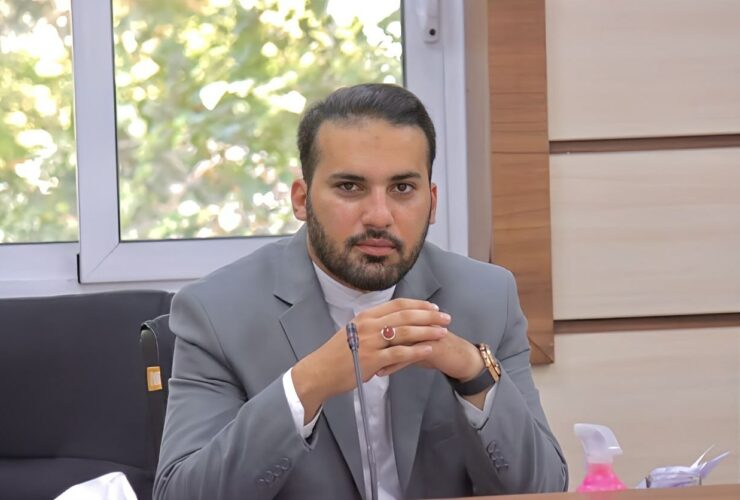
By Özgür Altınbaş Iranian political analyst and author Peiman Salehi commented on the ceasefire and Iran’s strategic gains. According to Salehi, the process initiated by the US and Israel with the goal of overthrowing the Iranian leadership failed due to Tehran’s asymmetric warfare model and its moves regarding the Strait of Hormuz. Salehi stated that Iran shifted the war from ...
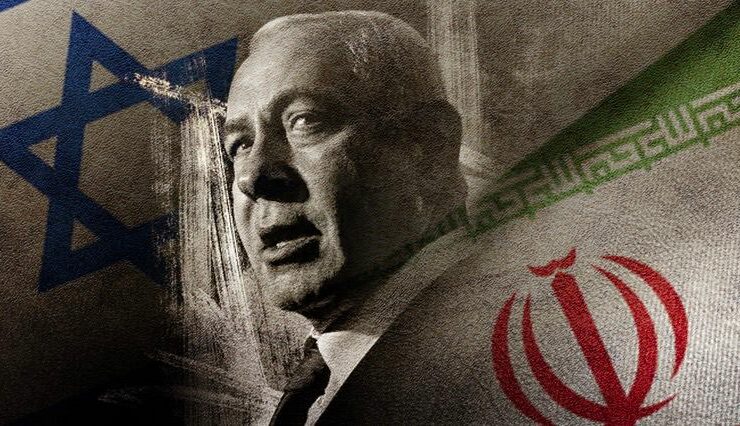
By Adem Kılıç * According to the latest US and Israeli claim, Iran cannot decide whether to retaliate for the assassination of Hamas leader Ismail Haniyeh. The assumption is that there is a rivalry between Pezeshkian and the hardliners of the Revolutionary Guards and that the new President Pezeshkian is opposed to any aggressive strategy against Israel. Another hypothesis is ...