

By Yiğit Saner The question of how the war against Iran will reshape relations between Tehran and the Gulf states has become one of the most critical issues on the West Asian agenda. From the very first day of the war, Iran targeted American bases in the region as well as Gulf territories from which attacks against it were launched. ...
By Azar Mahdavan, from Tehran / Iran As military tensions among Iran, the United States, and Israel have intensified in recent weeks, growing attention has been directed toward the role of major powers in managing the crisis. In this context, China—one of Iran’s most important strategic partners and simultaneously a major actor with extensive interests across the Middle East—has adopted ...
The war, which began with the US-Israeli attack on Iran on February 28, 2026, is currently in a period of ceasefire. What follows remains highly uncertain. A process full of fluctuations and contradictions continues to unfold. What is certain, however, we are at a stage to be able to grasp what has happened so far and draw some conclusions. The ...
The American empire seems to be sinking deeper into a quagmire of war with Iran, with only bad options on the horizon. Donald Trump is now being urged to resolve this disaster as quickly as possible. Perhaps the decisive factor is that the war has begun to strain the lives of Americans. Once again, the lesson of “economy, stupid” resurfaces, ...
UWI author and political scientist Onur Sinan Güzaltan gave a presentation on the consequences of the Iran/US-Israel war and possible future developments at a conference titled “Energy and the Global Economy: Its Significance and Impact in the Aftermath of the Ukrainian and Middle East Crises” organized by the Russian House International Relations Club in Mumbai, India. We present Güzaltan’s speech ...
The war, which began with the US-Israeli attack on Iran on February 28, 2026, is currently in a period of ceasefire. What follows remains highly uncertain. A process full of fluctuations and contradictions continues to unfold. What is certain, however, we are at a stage to be able to grasp what has happened so far and draw some conclusions. The ...

UWI author and political scientist Onur Sinan Güzaltan was guest on Türkiye’s Ulusal Kanal. The TV program covered the negotiation process between the US and Iran, the trajectory of the war and its outcomes to date, the power struggle within the US and its potential consequences, as well as the near-future projections for the Gulf countries and Europe. Welcome, Mr. ...
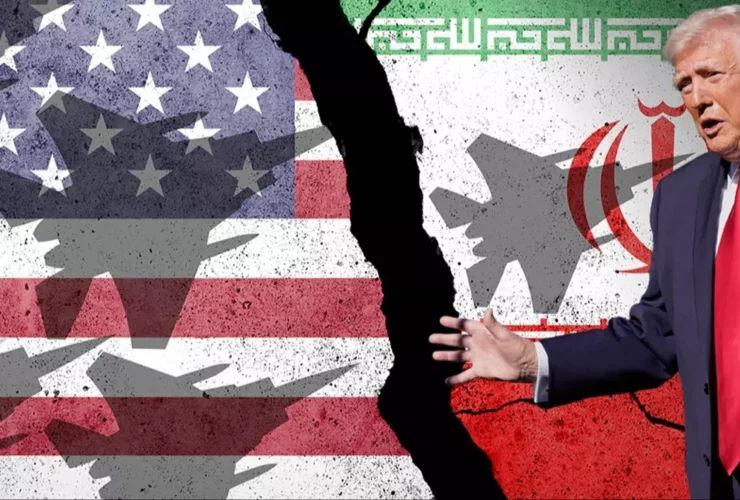
Now we are witnessing a new cycle of negotiation and escalation from Trump and his team. While Washington tightens its grip on Iranian oil export routes, ending a brief waiver that allowed oil shipments to pass through, and announcing that commercial vessels have changed course due to naval pressure, talk of resuming negotiations with Tehran has emerged. It now appears ...
UWI author, historian and political scientist Associate Professor Mehmet Perinçek was guest on Radio Sputnik, to evaluate the impact of the US/Israel–Iran war on global balances. “The US has fallen behind where it started in Iran” Perinçek emphasized that the US has failed to achieve its objectives in the war militarily, economically, and strategically: “The US has achieved none of ...
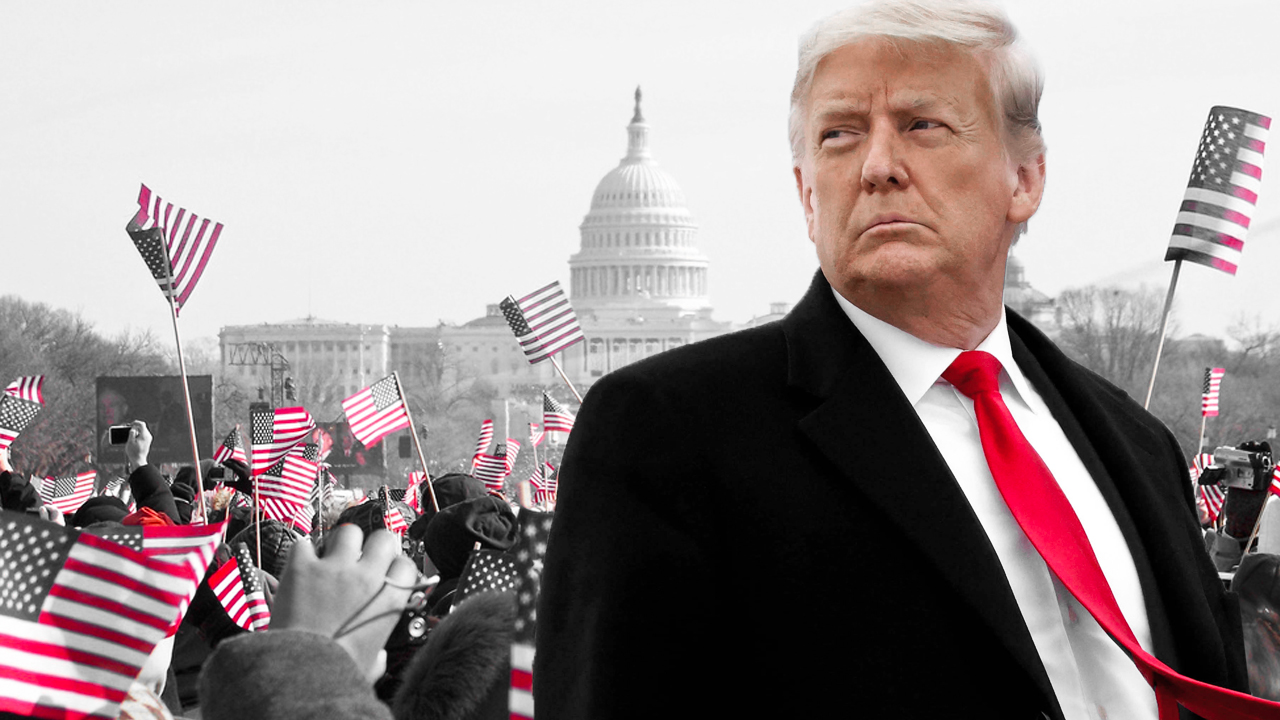
Regime change in Teheran or in Washington? Though Washington declared regime change in Iran as one of its goals, many see more the change of regime in the U.S. capital. While the US-Israeli war against Iran is on a halt fragile halt due to ceasefire questions, this question arises from an interview we conducted with Jon B. Alterman, Senior Vice ...
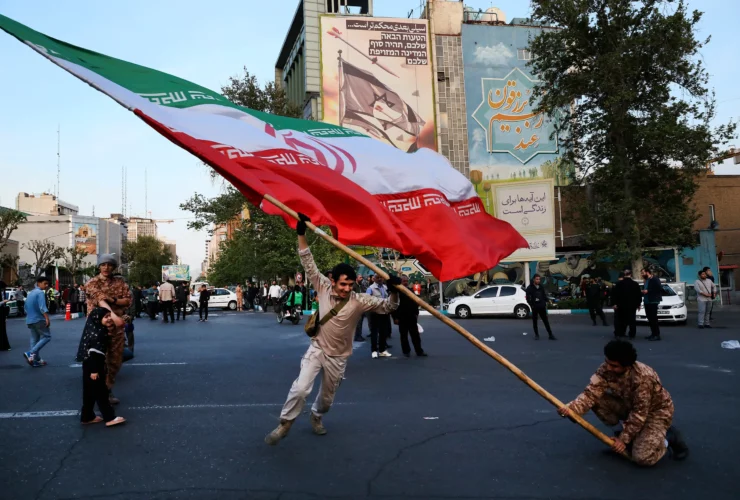
By Adem Kılıç, Political Scientist The talks held in Islamabad under Pakistan’s mediation were, in fact, less a ceasefire negotiation and more of a probing process in which both sides gauged each other’s intentions.The topics discussed, aside from the Strait of Hormuz, were no different from those in the Geneva talks prior to the war. This naturally led to the ...
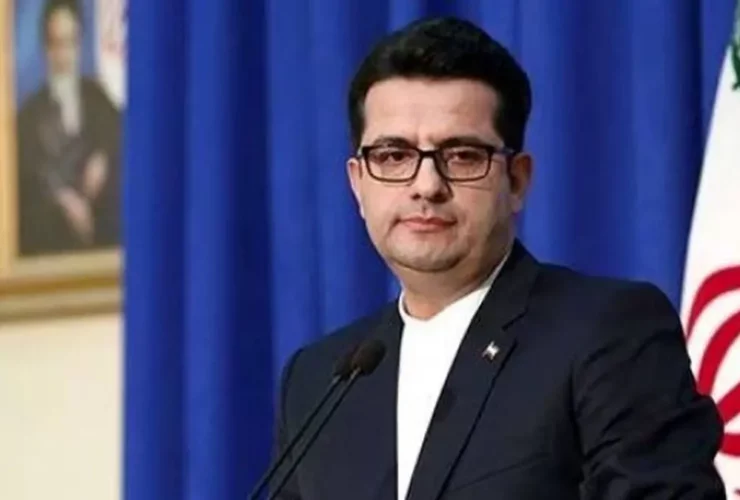
By Azar Mahdavan, from Tehran / Iran After 40 days of all-out war and reaching a ceasefire position, we witnessed inconclusive negotiations between the Iranian and American sides in Islamabad, the capital of Pakistan. Although regional countries and Pakistani officials are trying to continue the talks, from the experts’ point of view, the main factor behind the deadlock in the ...