


By Azar Mahdavan, from Tehran / Iran
After 40 days of all-out war and reaching a ceasefire position, we witnessed inconclusive negotiations between the Iranian and American sides in Islamabad, the capital of Pakistan. Although regional countries and Pakistani officials are trying to continue the talks, from the experts’ point of view, the main factor behind the deadlock in the Tehran-Washington meetings is the excessive demands of the American side.
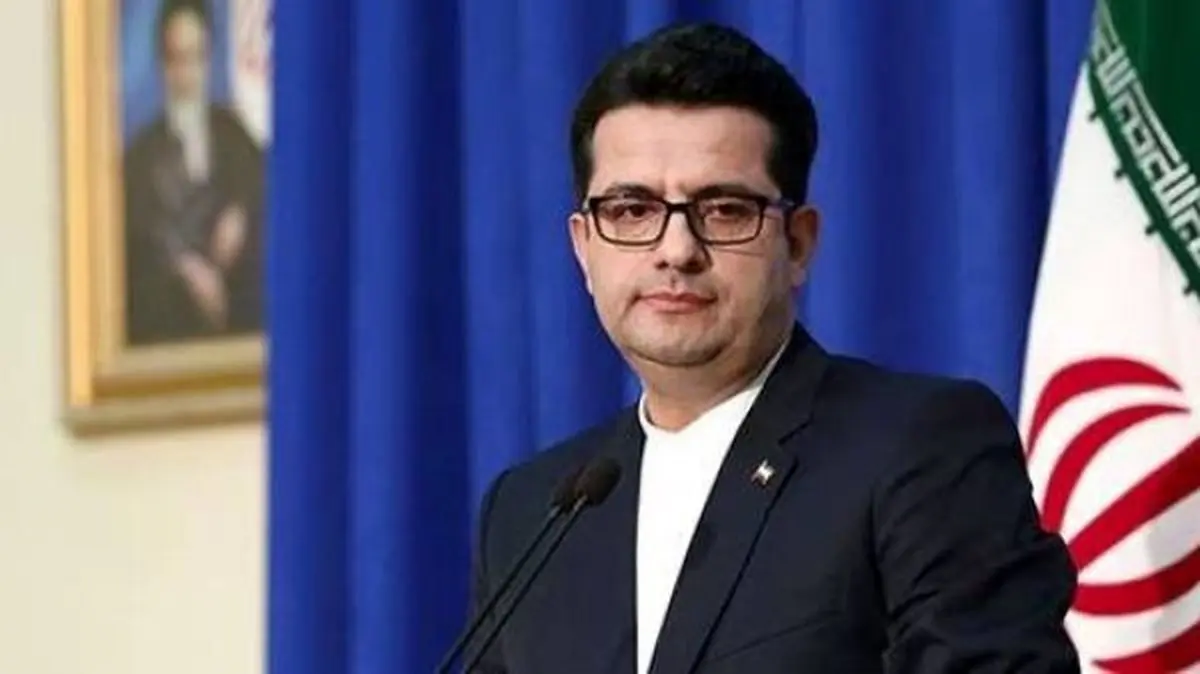
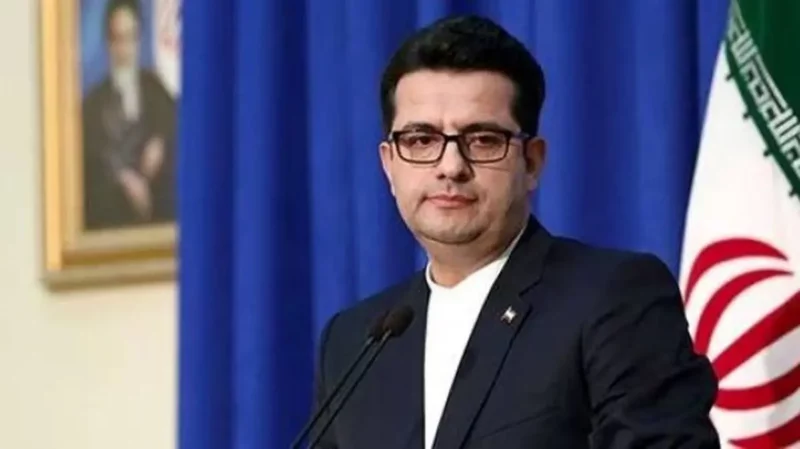
In this regard, we have conducted an interview with Seyyed Abbas Mousavi, the deputy chief of staff of the Iranian presidential office and former spokesman for the Iranian Ministry of Foreign Affairs, which you will see below.
Given that the two-week ceasefire is approaching its end without an agreement on its extension, and it was announced that its extension is conditional on progress in the negotiations, and now considering the failure of the Islamabad negotiations, what is your assessment of this ceasefire?
The ceasefire occurred at a time when, both in domestic and foreign public opinion and on the ground—without exaggeration—the upper hand was with the Islamic Republic of Iran. We showed that even at the peak of the war, we are open to dialogue and engagement. Just as in the two previous rounds of negotiations, while the Islamic Republic of Iran was under attack, we still did not abandon negotiations. In this round as well, despite having the upper hand on the ground, we again declared our readiness for dialogue in good faith, of course within the framework of conditions that we ourselves determine.
Regarding the Islamabad negotiations, we thank all the countries that facilitated them, including Türkiye, Oman, Saudi Arabia, Qatar, Egypt, and Pakistan. We entered the negotiations in good faith, but considering past experiences. In my opinion, these negotiations did not “fail,” but rather “did not reach a conclusion” at this stage. The main reason was the illusion and excessive demands of the Americans; they thought they could impose and dictate a one-sided understanding, while this notion was completely wrong.
If the Islamic Republic of Iran were inclined to surrender or back down from its rights, it would not have stood against the United States this way over the past 47 years. In the final days of the war, you saw how we hit American naval vessels and drove them back, targeted modern aircraft including the F-35, repelled their special operations in Isfahan, and inflicted significant casualties and damage on them. Also, control of the strategic Strait of Hormuz is in the hands of our forces. All these factors together gave us the upper hand. We entered the negotiations with this same upper hand, but what we expected from the negotiations was far from what the Americans claimed.
Ms. Mogherini made an important point yesterday: Reaching the JCPOA required 12 years of negotiation and groundwork. But the Americans thought they could reach an agreement within 21 hours. This perspective was wrong from the start. The current ceasefire is fragile, but if America’s excessive demands are set aside, we can certainly reach a specific framework of an agreement within these remaining few days. I am an optimistic but realistic diplomat.
What are the main challenges in the negotiation process, and is there a solution to overcome these challenges?
For the Americans to reach an agreement, they must do two things:
First, make decisions independently, remove the pressures of the Zionist regime from the equations of negotiations with Iran, and prioritize their national interests.
Second, accept the frameworks that were previously exchanged and agreed upon with the mediators, and not change their position midway.
The 47-year history of Iran-U.S. relations is full of miscalculations by the United States, which have made the relation between the two countries challenging, highly tense, and ultimately led to war.
For years, the Americans declared that “all options are on the table,” wanting to show that the military option was also available to them. They eventually employed this option as well. But the result was clear: although we also suffered damage and lost dear and important figures—including the Supreme Leader of the Islamic Revolution—the grandeur of the United States and Israel was shattered, and they did not achieve any significant military gain. They fired their last arrow—the direct military attack—but achieved no success, and after 40 days of fierce resistance, they faced heavy blows and their prestige was also damaged.
If America has good faith, it must take two actions:
- Prefer its national interests over the interests of the Zionist regime.
- Accept the agreed-upon framework from the mediators, including the issue related to our friends and allies in Yemen, Iraq, and Lebanon, and consider any comprehensive agreement as including them.
Technical issues such as the uranium and enrichment discussions have been raised with the other side many times; solutions have been proposed, and they had accepted them. The Islamic Republic of Iran has not paid all these costs to give up its basic rights, such as the right to enrichment. There may be discussions about its extent or form, but its complete elimination by force is by no means acceptable, and the nation will not permit such a thing.
The behavior of the Americans concurrent with the negotiations, including constant threats, especially from Mr. Trump, is unprofessional and unacceptable. He constantly posts threatening tweets and interviews like a blogger or social media influencer, and this behavior has destroyed his credibility. The Islamic Republic of Iran can neutralize all these warnings with a single action. It is better for the Americans to behave wisely and learn from past experiences, especially the events of the last 40 days.
They must separate their national interests from the interests of the Zionist regime and accept the agreed-upon frameworks; in that case, reaching an agreement in the short time remaining is entirely within reach.