

The collapse and dissolution of the Soviet Union marked the end of an era characterized by a bipolar international system in which ideology dictated the role of countries, governments, and organizations in the international arena. Since then, the world has failed to establish a system that structures and orders it. It has been more than 35 years of instability, from ...
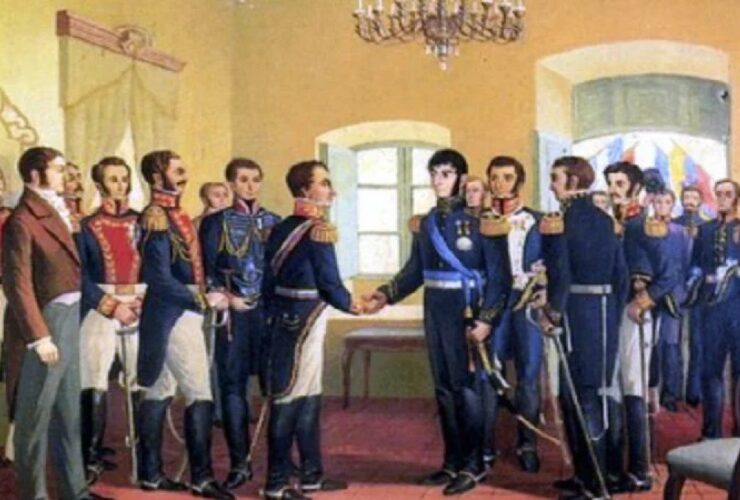
I am in Coro, the capital of Falcón state in western Venezuela, where I was invited to participate in the meeting “The Enduring Relevance of Bolivarian Diplomacy: 200 Years After the Amphictyonic Congress of Panama.” This event continues the commemoration of the bicentennial of that important continental gathering. Organized by the Simón Bolívar Center for Studies, the Falcón State History ...
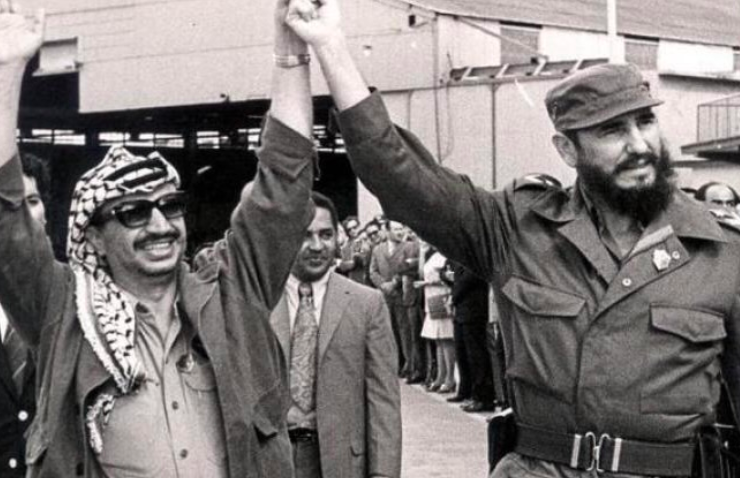
On April 22, 2026, a round table discussion titled “Fidel Castro and World Politics: The Cuban Experience in Diplomacy and International Relations” was held in Moscow, hosted by the Patrice Lumumba Peoples’ Friendship University (RUDN) in collaboration with the Fidel Castro Foundation. Dr. Mehmet Perinçek gave a speech at the meeting, which brought together academics and diplomats. We are sharing ...
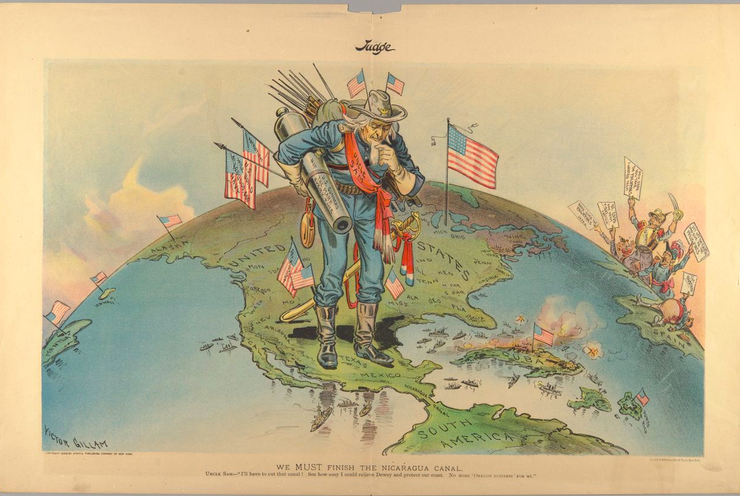
By Prof. Dr. Fernando Esteche “All the geography that matters north of the equator is ours. What lies south of the equator is your responsibility, in partnership with us and other Western nations.” — Pete Hegseth, Secretary of War, SOUTHCOM, Doral, Florida, March 30, 2026 “Reassert and enforce” the Monroe Doctrine to restore American preeminence in the Western Hemisphere […] ...
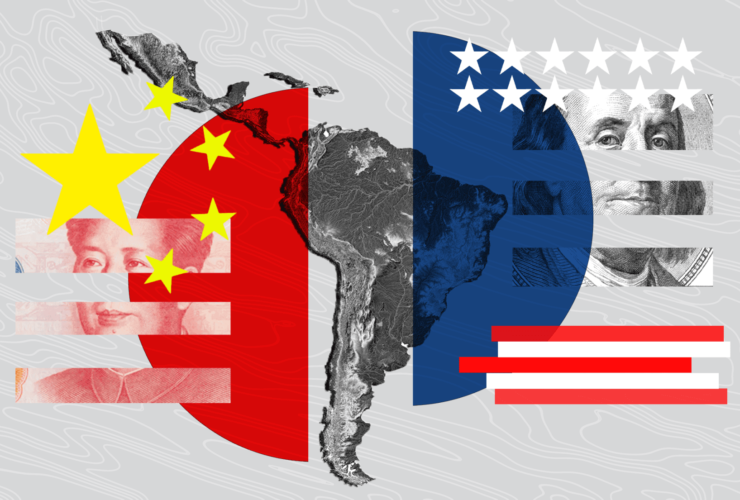
The process of containing China’s economic presence in Latin America and the Caribbean is already underway, both openly and more subtly. Beyond the outright rejection of Chinese companies in Venezuela following the armed incursion into that country on January 3rd, other manifestations point to a trend unfolding in the areas of trade, investment, technology, and security. While China has the ...
Following the collapse of the Soviet Union, and with it the end of the Cold War and the bipolar world, a debate arose that went beyond the strictly theoretical and conceptual, seeking to establish what type of international system would prevail on the planet. The resolution of this controversy was not immediate. The last decade of the 20th century was ...
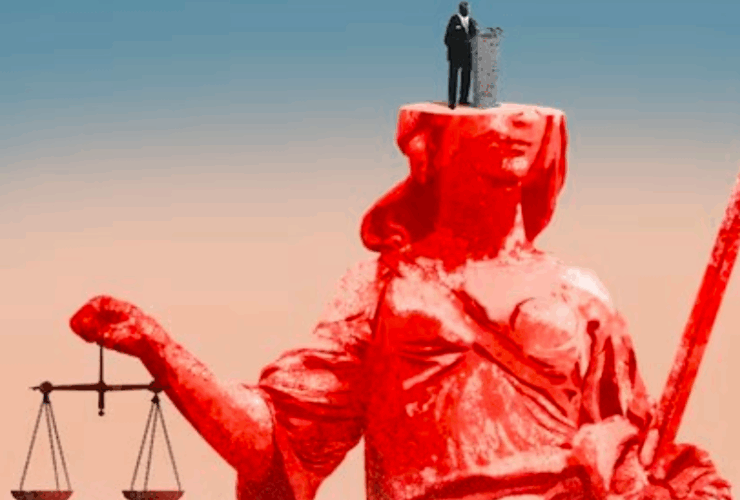
By Héctor Bernardo*. Marco Rubio’s pressure to stop the convictions against Álvaro Uribe Vélez in Colombia and Jair Bolsonaro in Brazil, Peter Lamelas’s statements against Cristina Fernández in Argentina, and the attacks on Mexico’s judicial reform highlight Washington’s relentless efforts to consolidate its control over Latin America’s judiciaries. The US strategic retreat requires complete control of the area it considers ...
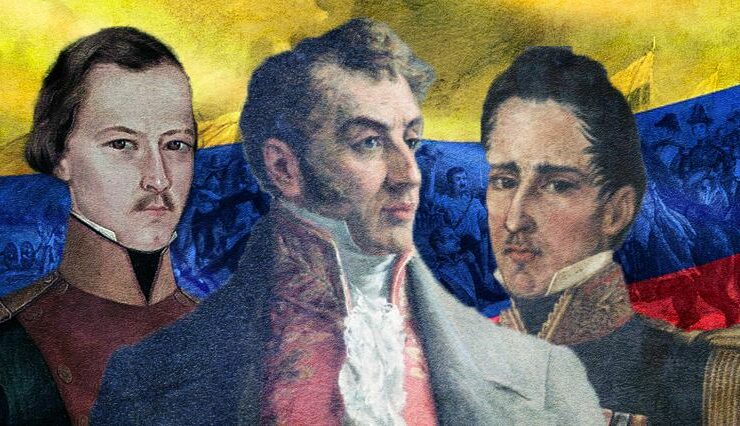
By Sergio Rodriguez Gelfenstein On September 30, 1813, after receiving reinforcements to shake off the siege of Puerto Cabello, the Spanish began an offensive towards Valencia. Colonel Atanasio Girardot was given the mission of containing the Goths, facing a Spanish column on the heights of Bárbula. During the effort of the battle, Girardot was hit by a rifle bullet when ...
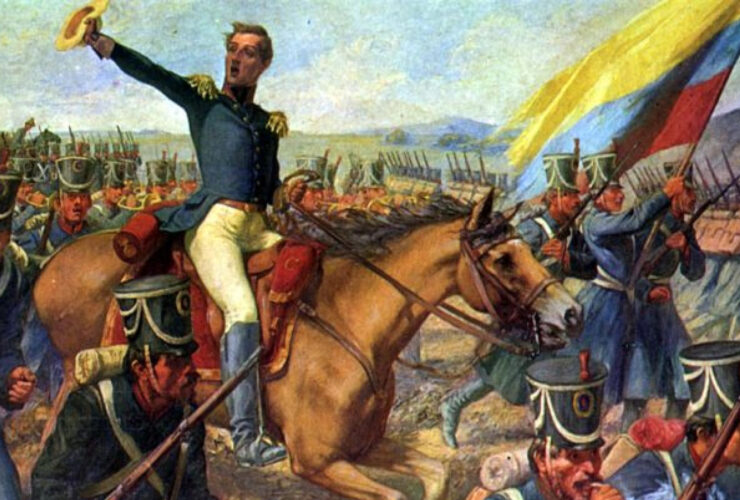
When the Liberator Simón Bolívar arrived in Peru on September 1, 1823, he found himself in a very complicated scenario. There were strong contradictions between José de la Riva-Agüero and the Marquis of Torre Tagle. The country had two presidents, two governments and two Congresses. In Colombia, although the situation was better, there were also difficulties that delayed the authorization ...
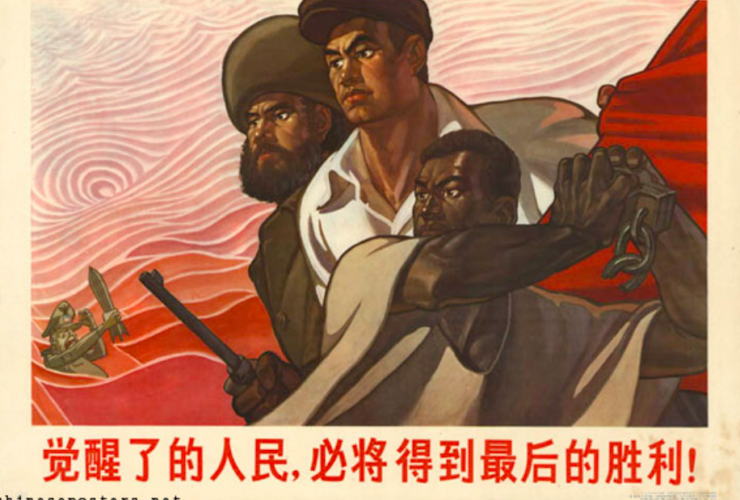
Shanghai, November 12, 2024 Dear colleagues and friends, We have been invited to this momentous event on “Decolonization and Global Cooperation” at a time when the world is struggling in a crisis apparently advancing in a transition to a better world. Various manifestations point to this path, where the world will no longer be one of Western global hegemony. Those ...
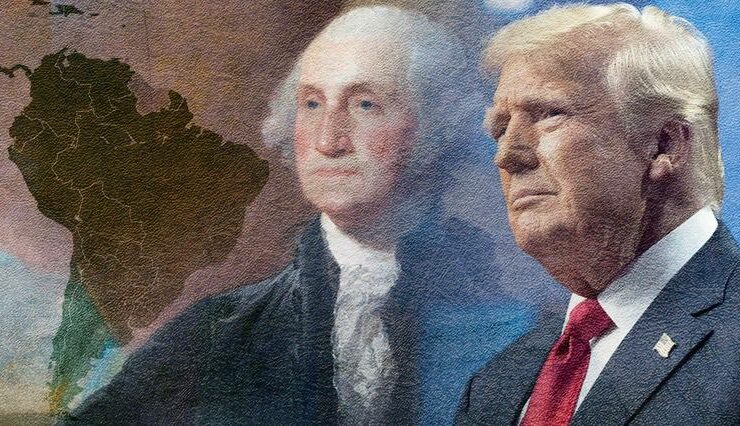
By Prof Dr Fernando Esteche, Buenos Aires / Argentina The non-consecutive re-election of Donald Trump as the president of the United States of America invites us to reflect on what Latin America and the Caribbean should expect in its historical relationship of dependence and colonialism with the decadent imperial metropolis. Trade, migration, and hemispheric security will surely be the items ...
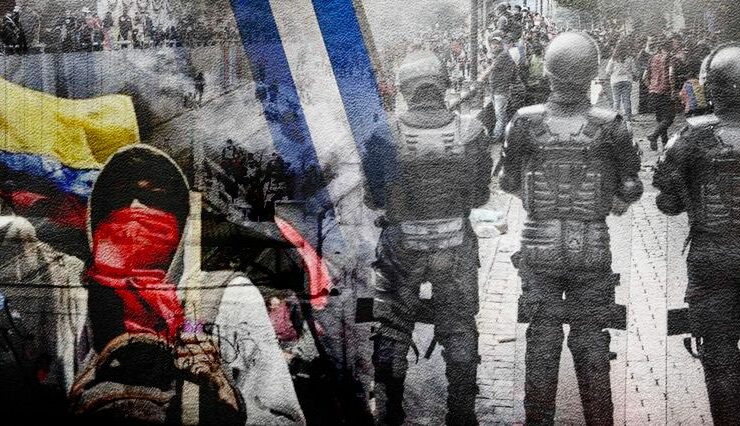
By Fernando Esteche, Buenos Aires / Argentina When we define the four main vectors by which the imperialist mode of production is reproduced, we indicate that they are: financialization, militarism, chaotization and narcotization. To a different extent and according to the contexts, some of these vectors sometimes become clearer than others. But in general, one can always find them present. ...