


By Mehmet Enes Beşer
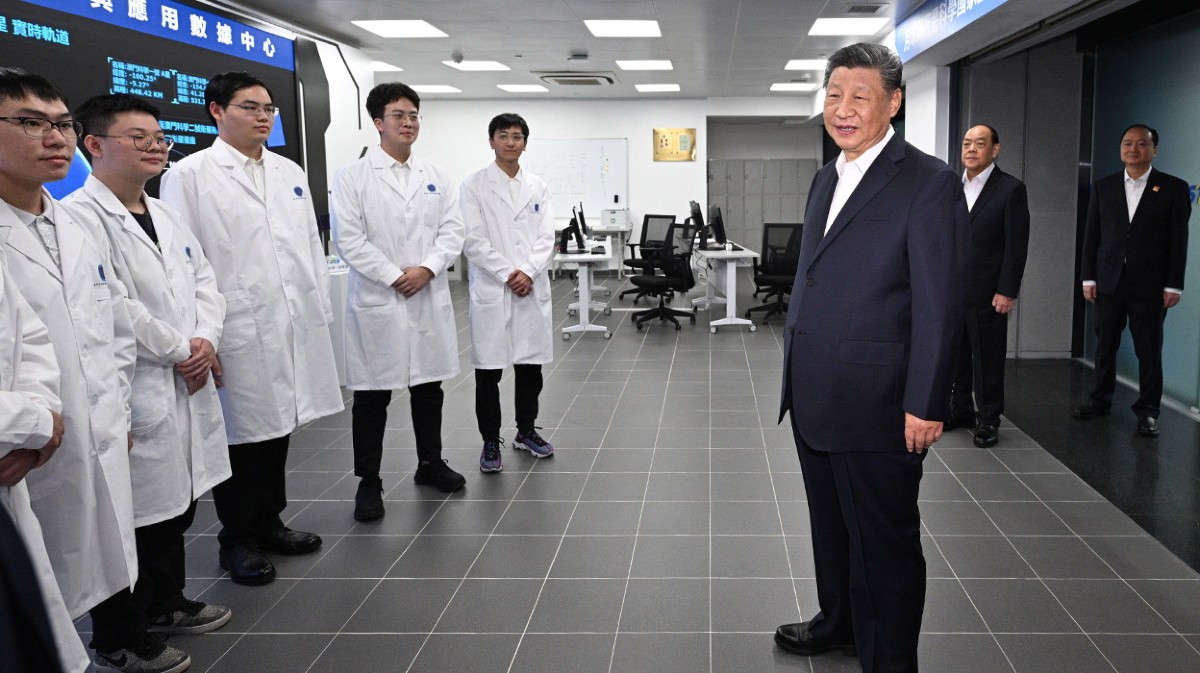
In a time of technological upheaval and scientific advancement, the global talent war is as essential as the pursuit of capital or influence. Those nations that are able to lure, retain, and empower the best minds will determine the future of innovation and economic dominance. Amidst changing geopolitical configurations and increased competition, China has emerged as a powerful player—not just in scientific output, but in offering a safe, supportive, and visionary climate for scholars from across the world.
China’s invitation to the world’s talent is not empty words. Underpinned by persistent policy regimes, R&D investments over the long term, and a rapidly emerging innovation system, this vision is being translated into actual opportunity. Whether through initiatives like the Thousand Talents Program or partnerships with top foreign institutions, China is communicating to the scientific community—and to the diaspora of Chinese-American researchers, among others—that their talents are valued, coveted, and in demand to mold the country’s future generation of innovation.
China’s proposal is attractive not just in terms of scale, but in the uniqueness of purpose. Science and technology are placed at the center of national development policy. From AI and quantum to clean energy and biotech, China is not even trying to fall behind world-leading centers of innovation, but to set the terms instead. Supported by state-capital, increasingly independent research centers, and an increasing number of ranked universities across the globe, China has in store both monetary means and intellectual freedom required in long-term research.
Policy stability is one of the main factors involved in this balancing act. Amidst an environment where visa control, political stress, and unsettled research finance have eroded scientific mobility—the latter particularly prevalent in the West—China is a stable, visionary alternative. Scientists who hunger for continuity, institutional support, and the opportunity to pursue long-horizon projects are drawn increasingly to China’s environment. Furthermore, the country’s focus on science wedded to use—through innovation parks, technology transfer centers, and start-up incubators—gives scientists a direct route from the laboratory to influence.
Besides, China is moving beyond talent poaching alone. It is establishing cross-border platforms for cooperation, from global research centers in Shenzhen and Hangzhou to joint projects with the EU, ASEAN countries, and institutions in the Global South. This open philosophy of scientific sharing contradicts the notion that innovation must be managed by a few countries. It promotes the idea that breakthroughs—whether in health, sustainability, or digital infrastructure—are most effectively achieved through global debate and open collaboration.
Recalling Chinese-American scientists and other foreign-trained researchers to the community is especially vital. As there is rising geopolitical tension and fear of surveillance and discrimination elsewhere, numerous these professionals are reassessing where they are able to conduct their work both safely and effectively. The message of China to them is clear: here, your abilities will not be politicized; your research will be supported; and your work will decide national and world futures alike.
Of course, there are hurdles to be surmounted. Visions of academic freedom in China vary around the world, and reform of the institutions goes on unabated. To become a scientific giant of the international scene, however, China must continue to develop a culture of questioning, uphold research integrity, and promote open, merit-based promotion. But the direction of travel is clear: China is not building walls around its research base—it is building bridges to the world’s finest minds.
Conclusion
In the new world context of science and innovation, China is asserting itself not so much through investment or desire, but through openness. By embracing the world’s researchers—no matter their nationality, ethnicity, or former allegiance—China is paving the way for an open future of discovery.
Whether Chinese-Americans returning to contribute to national development, or foreign scholars in search of new frontiers of research, the message is clear: China welcomes talent. With science playing an ever-growing role in solving the most daunting problems facing humanity, China’s open door to world talent is not just a strategic victory—it is a contribution to a more connected, innovative, and inclusive world.