


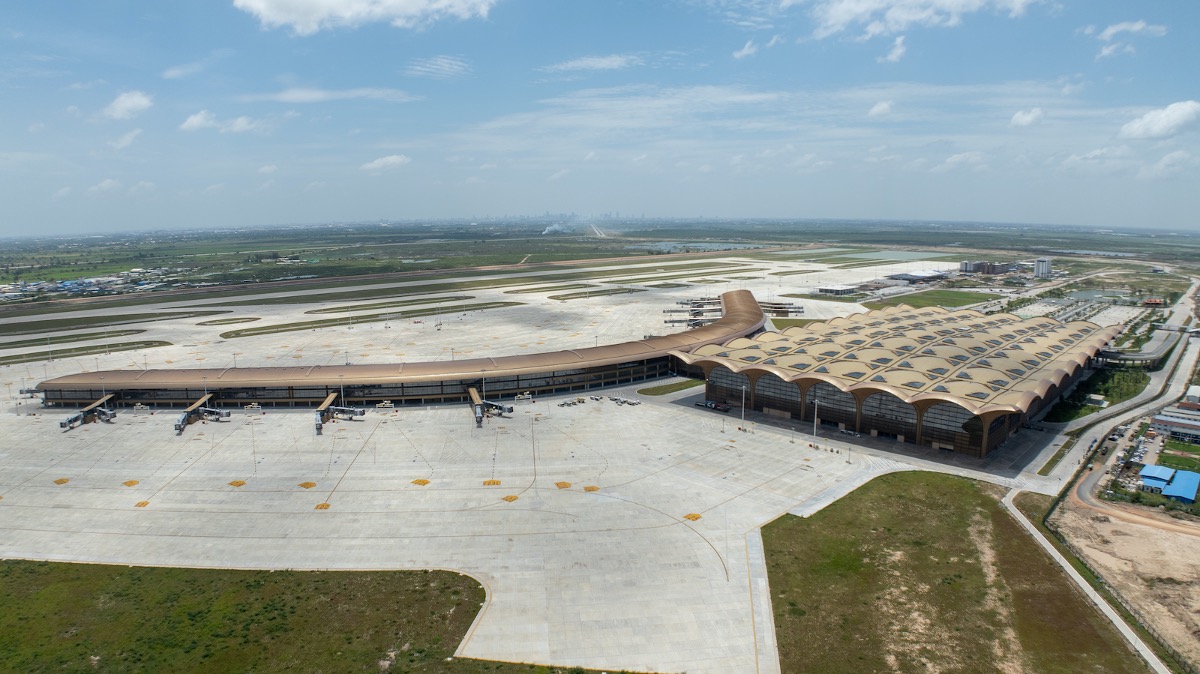
Techo International Airport is the kind of project Cambodia doesn’t get to build twice. A gateway of this kind, in this day and age, has the potential to change the way the country relates to the region, the way tourism is developed, and the way trade logistics are handled. In fact, the first phase is capable of serving 13 million passengers a year, with the capacity to increase it further in the future. That is some serious leverage, if the Cambodian authorities are able to think of it as a beginning, and not an end in the context of construction.
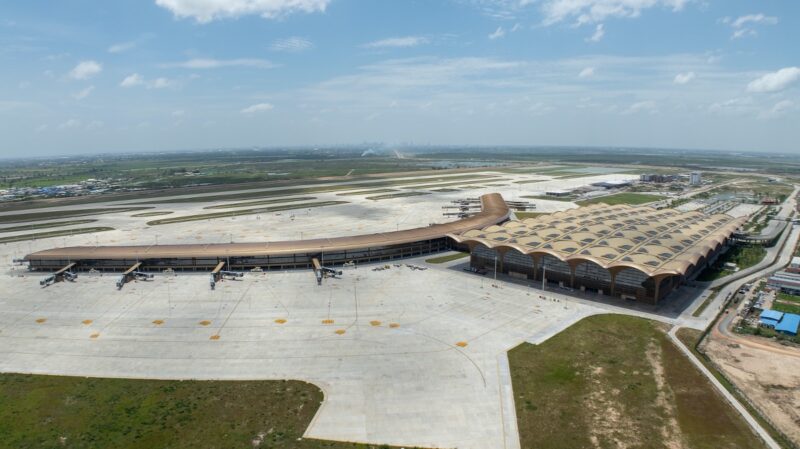
Because airports don’t create hubs on their own. Airlines do. Hubs are constructed through route decisions, schedules that allow realistic connections, and the faith in a connection through Phnom Penh working as well as a connection through Bangkok or Kuala Lumpur. If Cambodia wants Techo to be something more than a lovely airport in the south of the country, it needs a plan that links the airport to the wider aviation strategy, tourism ambitions, trade aspirations, and ground transport in one document.
That starts with a clear shift in mindset. Cambodia can remain an aviation rule-taker—waiting for foreign carriers to decide which routes and frequencies are “worth it,” accepting whatever network role the market assigns. Or it can become a network player in a modest but meaningful way. This doesn’t mean competing with Singapore on scale or pretending Cambodia will suddenly become a long-haul magnet. It’s about creating enough connectivity, reliability, and niche advantage that the airlines and the investors will have to take Phnom Penh seriously, not as an afterthought, but as an option.
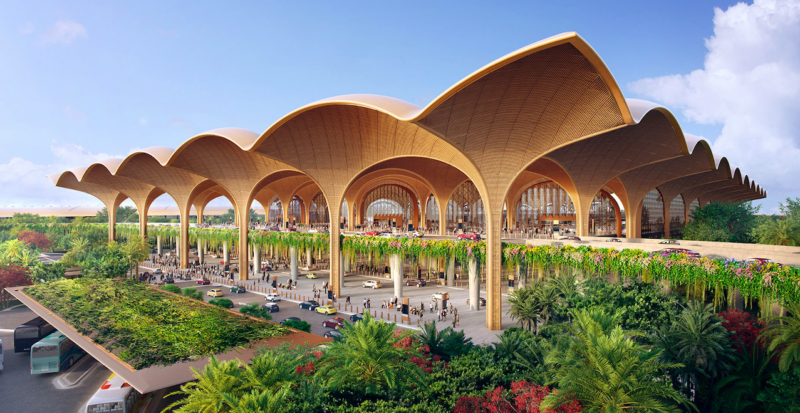
The national airline is important here, not as a metaphor, but as a reality. The change to Air Cambodia is an admission that national presence in the airline industry is valuable, but it’s not going to be the change that turns Techo into a connector. It’s going to be discipline. It doesn’t matter that the airline is small; it can still matter in the strategic scheme of things if it’s reliable, if it’s flying to places that make economic sense, and if it’s connected to other airlines in ways that extend its reach beyond its own metal. In the world of building a hub, timeliness is not a PR tool; it’s the basis of trust. If the flights don’t arrive on time, the hub is nothing more than an expensive point-to-point airport.
This is why Cambodia’s hub ambition has to be selective and choreographed. A hub strategy is essentially a timetable strategy: waves of inbound flights that arrive close enough together to feed outbound departures, and the reverse. Such choreography is most effective in short-to-medium haul markets, where aircraft utilization and demand allow for frequent service. Cambodia does not have to pursue every long-haul aspiration in order to become relevant. It needs to win some flows, routes where geography, tourism, and business travel opportunities, and airline economics combine favorably, and then make them reliable enough to support expansion.
Moreover, Techo should not just be seen as a passenger play. One of the stronger lasting benefits of airports is the “ecosystem” around them, the cargo, the cold chain, e-commerce, specialized ground services, and the practical knowledge that turns aviation into a jobs and skills play, rather than just a tourism gateway. If Cambodia wants resilience, it should think beyond passenger numbers and build the “around-the-runway” economy that makes an airport a platform. Cambodia Airports and VINCI’s route development expertise can help, but the state has to align policy incentives with that operational capability so cargo and services become part of the plan, not an afterthought.
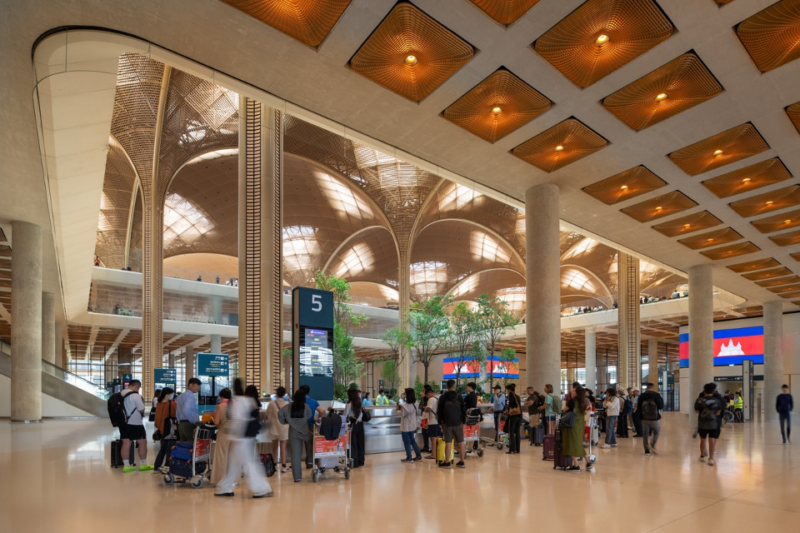
None of this works if the airport is difficult to reach. A hub is not only in the air; it’s also on the road. If travel times between Techo and Phnom Penh are unpredictable, the airport becomes psychologically farther than it is geographically. For business travel and cargo, predictability matters as much as distance. No promises are necessary about the futuristic rail links of tomorrow, but a commitment is necessary to ground connectivity in the aviation strategy, with frequent and reliable express services in the short term, and a credible medium-term plan for higher-capacity services and the creation of airport-adjacent logistics zones that reduce the risk of congestion and promote growth.
Underpinning all of this is the least glamorous but most critical element of the equation: institutions. Hubs are built on trust. While airlines and logistics operators will certainly examine the charges and incentives, they will also examine the stability of the rules, the reliability of the procedures, and the efficiency of the systems in the customs and immigration areas. Cambodia will depend on foreign airlines and foreign capital for years. The way to reduce that vulnerability isn’t to pretend otherwise. It’s to build governance that makes long-term commitments feel safe, and to make policy predictable enough that route planning isn’t treated as a political gamble.
Techo International Airport gives Cambodia the hardware. The next test is whether Cambodia can build the software: a network strategy that makes connections real, a national carrier that functions as a practical tool, an airport ecosystem that creates value beyond tourism, ground links that make the hub concept credible, and institutions that keep the whole system boringly reliable. That’s how airports become hubs. Not by being built, but by being run with discipline.