


By Özgür Altınbaş
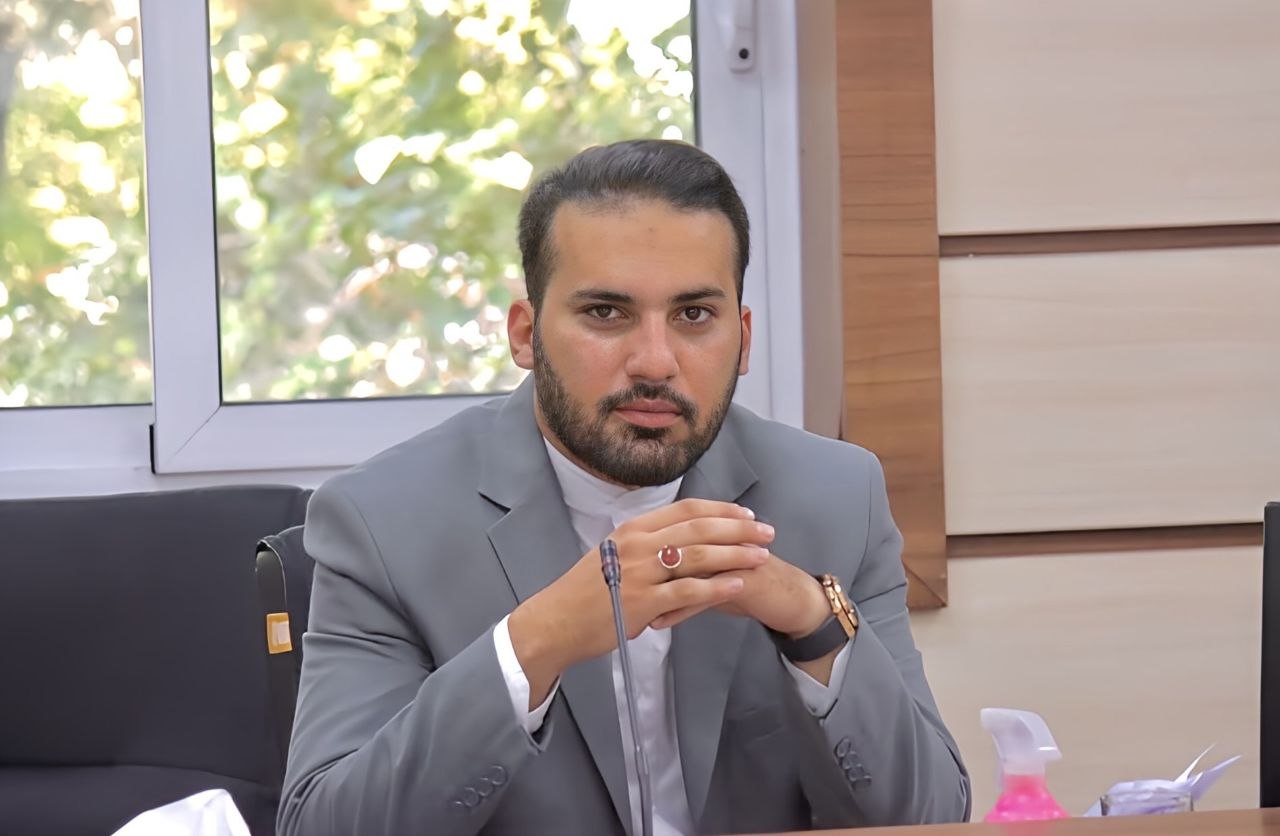
Iranian political analyst and author Peiman Salehi commented on the ceasefire and Iran’s strategic gains. According to Salehi, the process initiated by the US and Israel with the goal of overthrowing the Iranian leadership failed due to Tehran’s asymmetric warfare model and its moves regarding the Strait of Hormuz.
Salehi stated that Iran shifted the war from a purely military reciprocity axis to an asymmetric model. The expert noted, “Iran did not settle for just missile strikes against the technological superiority of the US and Israel. Simultaneously, it pressured the global economy by closing the Strait of Hormuz. This situation lowered the tolerance of Washington and Tel Aviv—who were planning a short and swift war—and forced them into a ceasefire.”
‘Iran has the capacity to fight for two years’
Reminding that Iran’s military preparation spans forty years, Salehi emphasized that despite infrastructure damage, he sees no need for immediate reconstruction. Based on statements from Iranian officials, Salehi’s analysis suggests that Tehran possesses the logistical and military capacity to sustain a war of this intensity continuously for two years; therefore, it does not require a short-term “recovery” period.
The collapse of the Petrodollar
One of the most striking points in the Iranian expert’s assessment was the transformation of the Strait of Hormuz into an economic weapon. Evaluating plans to collect transit fees through the Strait in Yuan (China) and the future implementation of the Rial (Iran), Salehi stated that this symbolizes the collapse of the “Petrodollar” system: “The US can no longer rely on its military power and the hegemony of the dollar as it once did. The transit fees to be collected through the Strait will open a massive door of economic gain for Iran.”
Russia and China’s veto
Touching upon the importance of Iran’s right to self-defense gaining support in the international community, Salehi drew attention to recent developments in the United Nations Security Council. Highlighting that the simultaneous veto by Russia and China of an anti-Iran resolution submitted by Bahrain was a historic turning point, the expert stated that support from countries such as Türkiye, Iraq, Pakistan, Egypt, and Oman strengthened Iran’s hand.
‘Türkiye’s stance was critical’
Claiming that regional countries have begun to view the US and Israel as security threats, Salehi emphasized that Türkiye’s stance throughout the war was critical. Salehi remarked, “The current situation has prepared a very favorable ground for Iran-Türkiye relations. The duty now falls to the leaders and diplomats of both countries to design serious mechanisms for the future of bilateral relations.”