

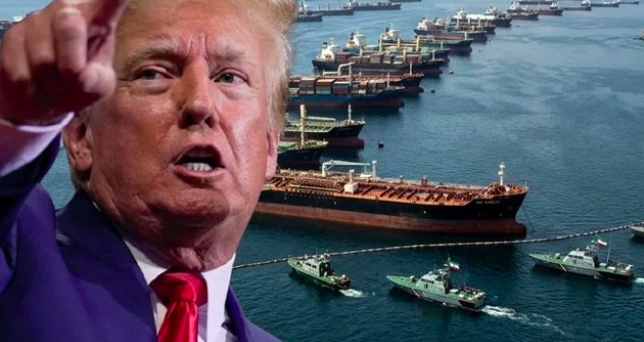
By Adem Kılıç, Political Scientist Now entering the third month of his war with Iran, Trump has reached a critical crossroads. Hundreds of airstrikes may have killed Iran’s top-tier leaders, severely damaged its air force and navy, and depleted its missile stockpiles and production facilities, yet Iran continues to defy the U.S. Even after targeting its Arab neighbors, U.S. bases, ...
By Adem Kılıç, Political Scientist The war that U.S. President Trump declared “won” in its very first week now presents a very different picture, especially when viewed from the Pentagon’s perspective. The reality on the ground has not deterred Iran but, on the contrary, has led Iran to come to the negotiating table with even greater confidence than it had ...
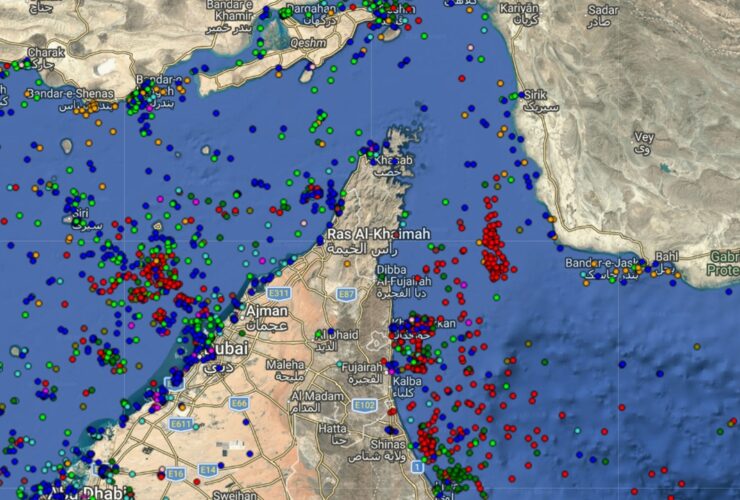
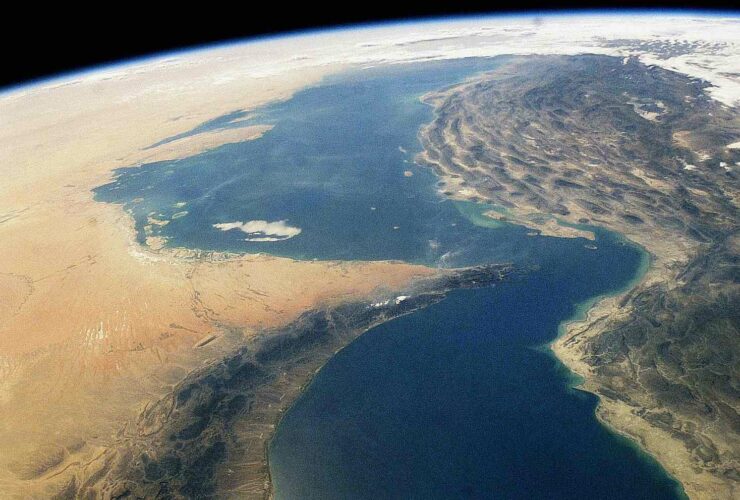
The closure of the Strait of Hormuz has triggered one of the biggest shocks in global energy markets in decades. Nearly one-fifth of the world’s oil trade and a substantial share of liquefied natural gas (LNG) shipments normally pass through the narrow waterway between Iran and Oman. As tensions in the Gulf escalated and shipping traffic was disrupted, countries across ...
By Adem Kılıç, Political Scientist While the ongoing tensions in the Strait of Hormuz are currently only disrupting global energy markets, the real major impacts will emerge in the coming days. About 60 days later, the first signs began to emerge, with the surge in energy costs triggering a ripple effect across a wide range of sectors—from fertilizer shortages impacting ...
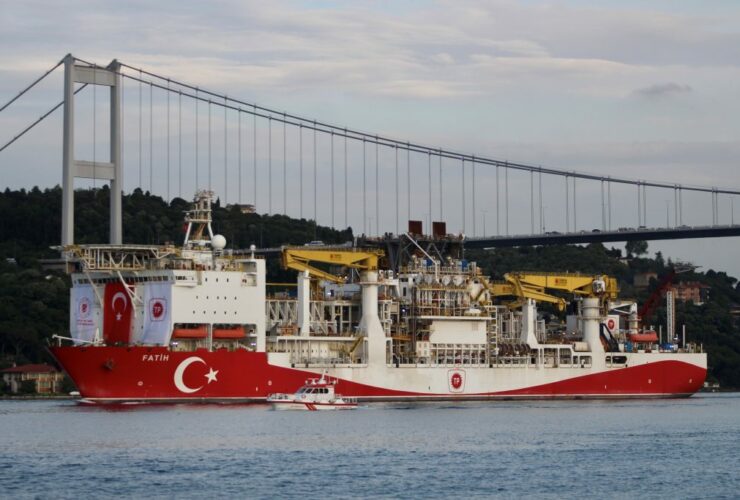
By Adem Kılıç, Political Scientist The Ukraine War, the genocidal war in Gaza, the subsequent 12-day wars, and the U.S.-Iran war have ushered the global system into a period of restructuring, particularly in terms of energy supply security and logistical realities. This global rupture, deepened by the intensifying U.S.-China competition triggered by the effects of these wars, has ceased to ...
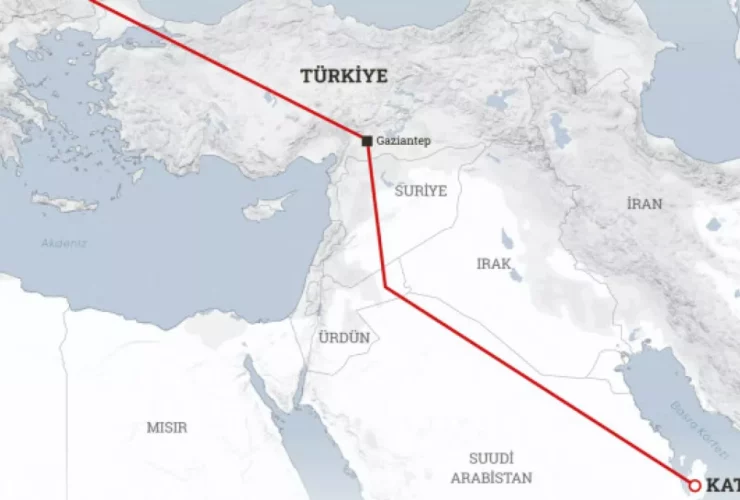
Türkiye seeks to offer alternative trade and energy routes following the closure of the Strait of Hormuz by Iran in the war against the US and Israel. The “Middle Corridor”, which bypasses Iran, is considered alternative routes for Qatari natural gas and Iraqi oil, which are currently dependent on the Strait of Hormuz. “Island of stability” In a recent statement, ...
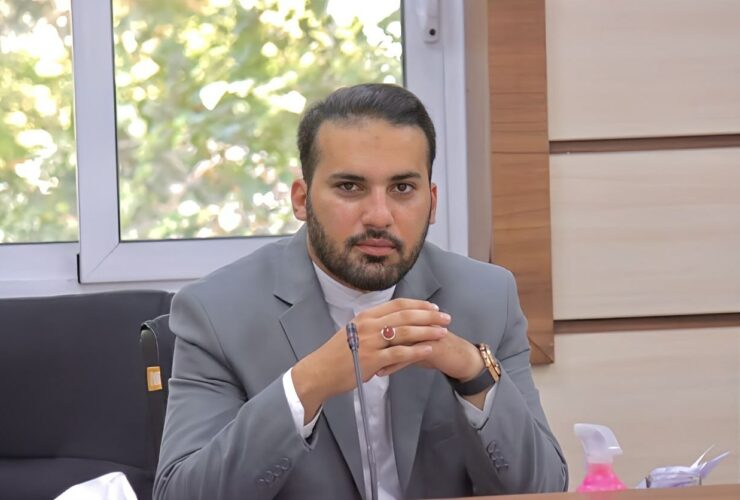
By Özgür Altınbaş Iranian political analyst and author Peiman Salehi commented on the ceasefire and Iran’s strategic gains. According to Salehi, the process initiated by the US and Israel with the goal of overthrowing the Iranian leadership failed due to Tehran’s asymmetric warfare model and its moves regarding the Strait of Hormuz. Salehi stated that Iran shifted the war from ...
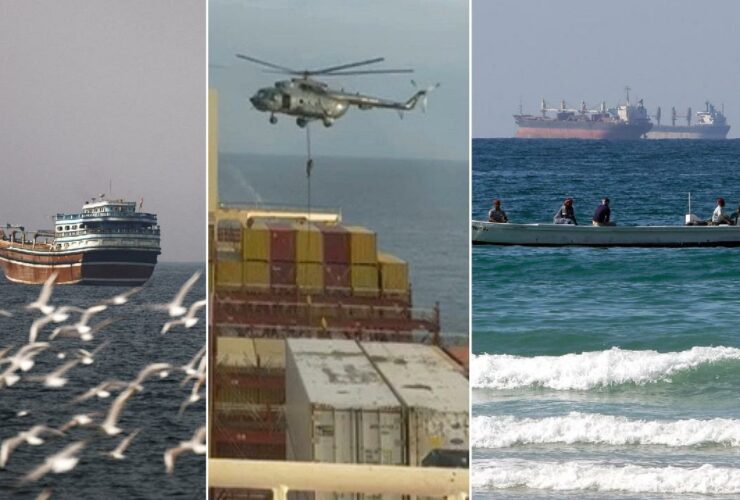
By Serhat Latifoğlu Following the attack on Iran by the imperialist US and Zionist Israel, Tehran quickly regrouped and regained both military and psychological superiority. Within just a few days, Iran’s closure of the Strait of Hormuz pushed oil prices back up to the $100 level for the first time in years, placing global energy supply concerns at the center ...
by Yunus Emre Özgün The mainstream narrative treats the current escalation in the Middle East as a localized, manageable crisis. It is not. What we are actually watching in real-time is the rapid, structural overextension of the entire Western bloc. To cut through the daily noise and diplomatic theater, I recently sat down with geopolitical analyst K.J. Noh. We broke ...
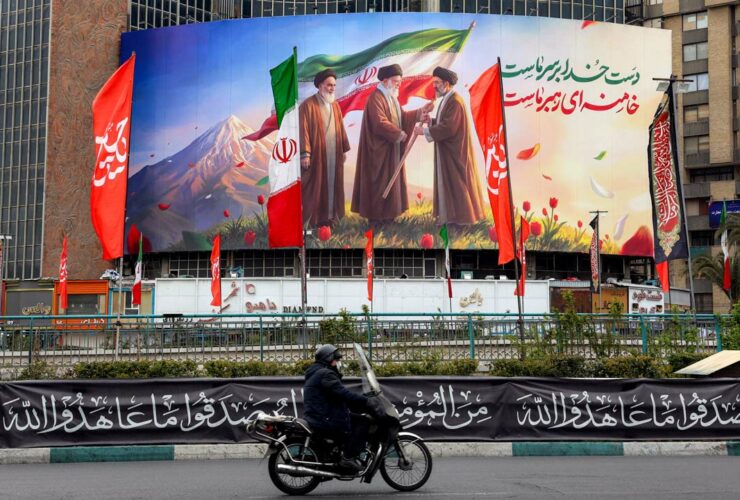
By Adem Kılıç, Political Scientist The Strait of Hormuz has undoubtedly been a key choke point for energy and trade routes throughout history.However, at this point in time, Hormuz has become a full-fledged choke point; despite accounting for only 20 percent of global flow, it not only controls the flow of oil and natural gas but is also fundamentally reshaping ...
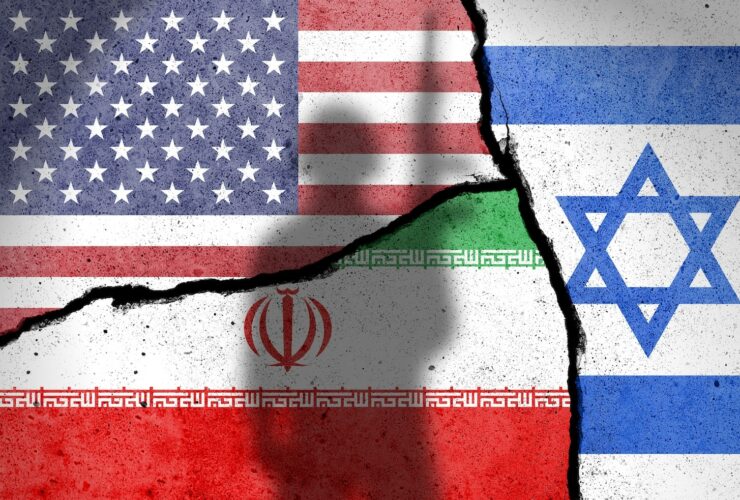
As the joint war waged by the United States and Israel—two nuclear-armed states, one of which possesses the most powerful military in the world—approaches its first month, developments on the ground indicate that none of the assumptions held by Washington and Tel Aviv at the outset of the conflict have materialized. The aggressor forces initiated this campaign against Iran without ...
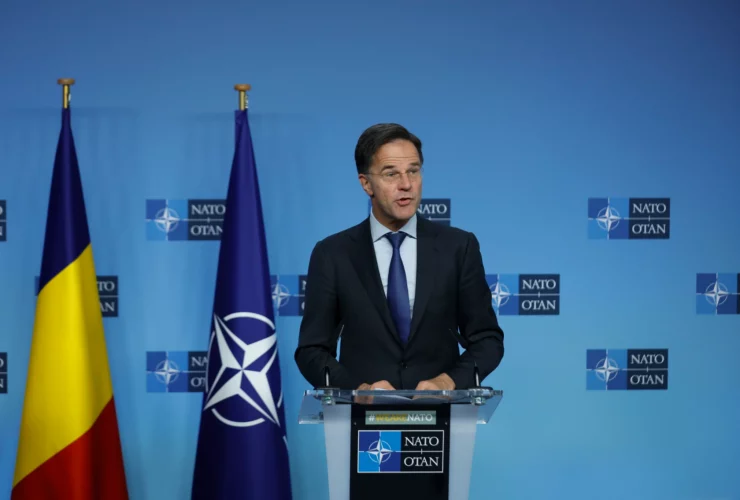
NATO Secretary General Mark Rutte said on March 22 that he is “absolutely convinced” that the alliance will be able to reopen the Strait of Hormuz. Rutte stated 22 countries, including NATO members along with allies such as South Korea and Japan, are coordinating efforts to do that. Cem Gürdeniz, a retired Rear Admiral of the Turkish Navy and one ...