


By Adem Kılıç, Political Scientist
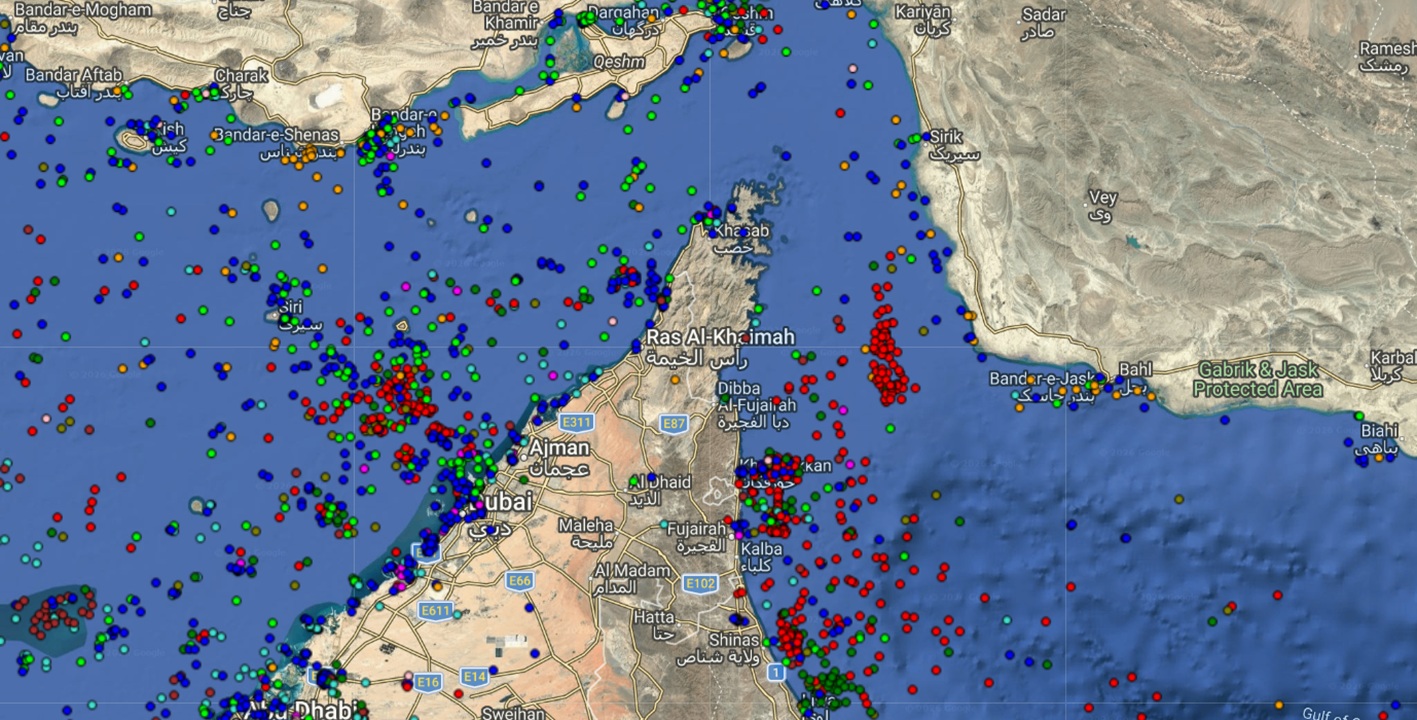
While the ongoing tensions in the Strait of Hormuz are currently only disrupting global energy markets, the real major impacts will emerge in the coming days.
About 60 days later, the first signs began to emerge, with the surge in energy costs triggering a ripple effect across a wide range of sectors—from fertilizer shortages impacting food production lines to aviation, transportation, and global logistics chains.
However, as the process unfolds, it appears quite plausible from a historical perspective that an impact capable of reshaping the global order will emerge, going far beyond these immediate effects.
Will history repeat itself?
The events following Egypt’s nationalization of the Suez Canal in 1956 marked a turning point in which Britain transformed from a global superpower into a power overshadowed by the United States.
At that time, Britain, France, and Israel had prepared an invasion plan in response to Egyptian President Abdel Nasser’s nationalization of the Suez Canal. Following the revelation of these agreements, Britain’s global diplomatic image was shattered, and the subsequent on-the-ground outcome signaled the end of Britain’s superpower status.
Today, a similar process is unfolding for the U.S. in the Strait of Hormuz.
Although the Suez and Hormuz Straits differ in status, the closure of the Strait following U.S. attacks on Iran and the possibility of its status changing at the end of the war raise the question: “Could a new 1956 scenario unfold?”
The likelihood of the strait reopening and the security paradox
At this point, the resumption of normal operations in the Strait of Hormuz now hinges solely on either a political compromise between the U.S. and Iran or a war breaking out in the region.
Beyond that, even if the strait were to reopen, it is almost certain that shipping traffic will not return to full capacity and that tensions in the region will persist until there is a strong conviction that the risk of it closing again has been eliminated.
This is because Iran’s claims of mine-laying, GPS signal jamming activities, risks to navigation safety, and the U.S.’s lack of a clear strategy are deepening this uncertainty.
On the other hand, in such an environment, the idea of transiting the Strait of Hormuz without a military escort does not seem very acceptable to commercial actors.
However, the fact that the U.S. Navy lacks the capacity to protect all commercial traffic simultaneously, and the necessity of ensuring security through a multinational naval force, creates a deadlock.
After all, none of the U.S.’s allies have responded positively to its calls for a Hormuz Coalition over the past 60 days.
Conclusion
In light of all this data, it appears that the current situation has evolved into a far more complex scenario than that of traditional interstate wars.
Hybrid elements, energy infrastructure, maritime trade, and economic pressure tools are all in play simultaneously.
Iran’s ability to lock the equation demonstrates how quickly it can influence the global system despite the conventional power imbalance, while the U.S. and its allies’ failure to join the U.S. in unlocking this situation points to a new strategic rupture, similar to that of 1956.
In other words, at this point, the U.S. has entered a phase where it is exerting pressure not only on Iran but also on its own alliance system.
The Hormuz-centered crisis is no longer merely an energy security issue; it has transformed into a multi-layered power struggle testing the fragility of the global system.
In other words, any blockage in the strait directly affects not only the flow of oil but also the functioning of the international order.
At this juncture, the issue is no longer about who exports how much oil, but rather how the Strait of Hormuz will reshape the global order.