


By Selçuk Erenerol – Spokesperson of the Turkish Orthodox Patriarchate For a long time, the Fener Greek Orthodox Patriarch has been continuously supported from home and abroad to fuel its betrayal, completely disregarding the laws of the Republic of Türkiye. These unlawful steps have accelerated so much that the situation has escalated to a point where it is now preparing ...
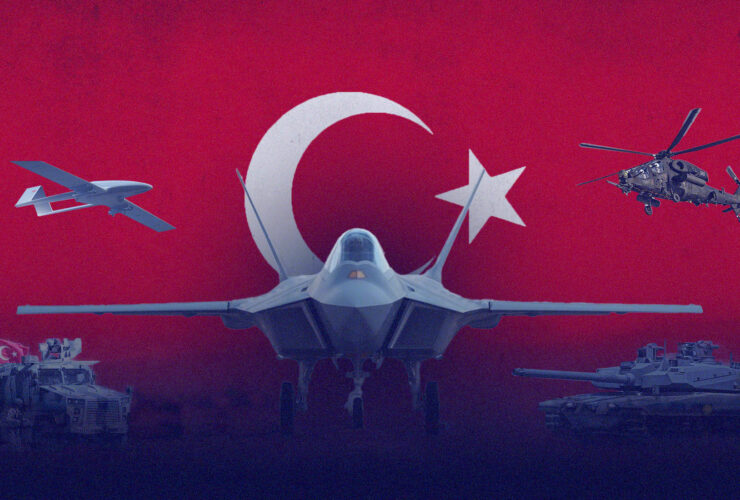
By Adem Kılıç, Political Scientist The conflict between the U.S. and Iran—which remains far from resolution and is rapidly generating global repercussions—has sparked profound debates not only about the balance of power in the Middle East but also about NATO’s future and Europe’s security architecture. The U.S. decision in recent days to withdraw a portion of its troops stationed in ...
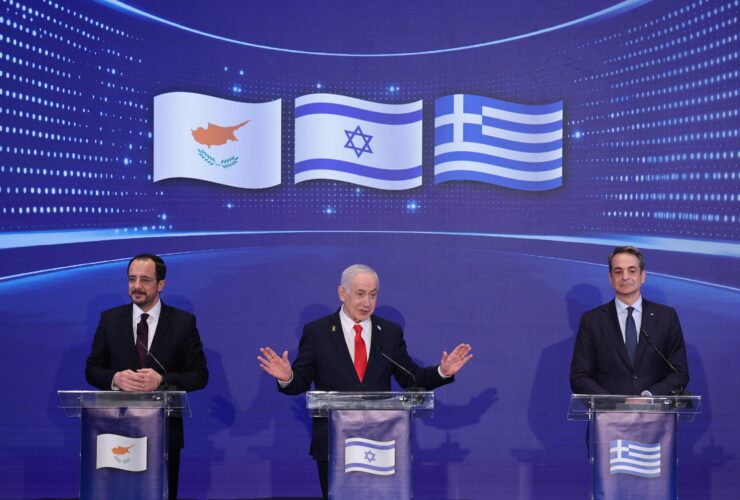
By Lucas Leiroz de Almeida The recent prospect of a military alliance between Greece, Israel and Cyprus introduces a new variable into the Eastern Mediterranean security equation. Such an arrangement, even if initially limited, will inevitably be perceived by Türkiye as an attempt at strategic encirclement. The consequences of this perception may extend well beyond the immediate theater. A plausible ...
The closure of the Strait of Hormuz has triggered one of the biggest shocks in global energy markets in decades. Nearly one-fifth of the world’s oil trade and a substantial share of liquefied natural gas (LNG) shipments normally pass through the narrow waterway between Iran and Oman. As tensions in the Gulf escalated and shipping traffic was disrupted, countries across ...
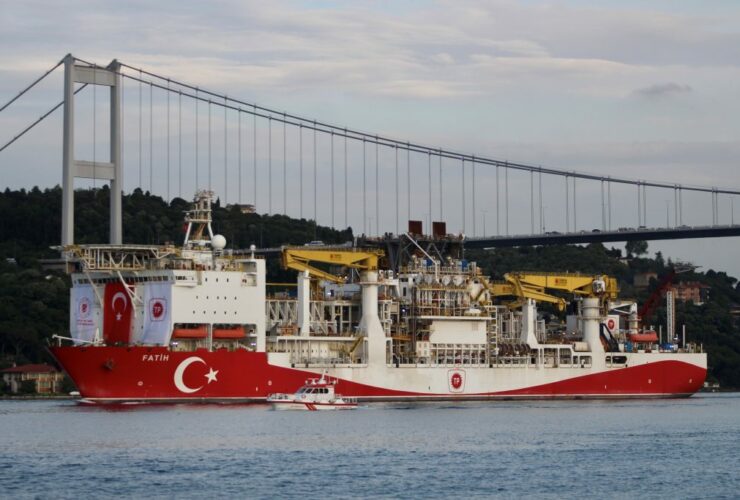
By Adem Kılıç, Political Scientist The Ukraine War, the genocidal war in Gaza, the subsequent 12-day wars, and the U.S.-Iran war have ushered the global system into a period of restructuring, particularly in terms of energy supply security and logistical realities. This global rupture, deepened by the intensifying U.S.-China competition triggered by the effects of these wars, has ceased to ...
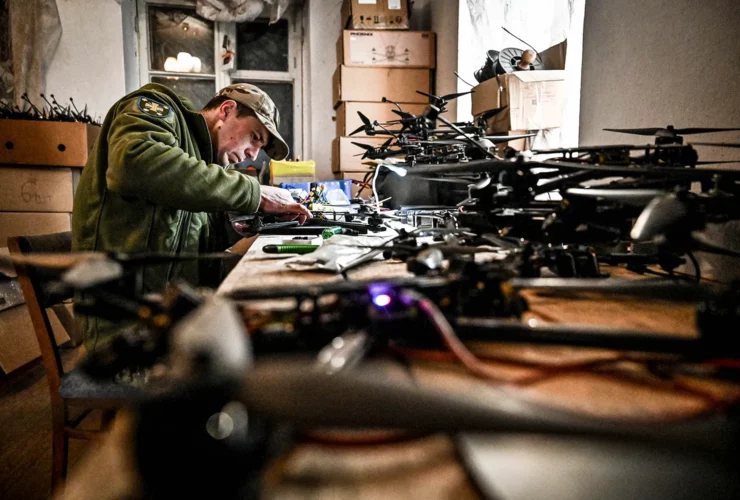
By Feyyaz Erkin Eşli On April 15, 2026, Russia’s Ministry of Defense released a significant statement regarding the continuation of the armed conflict between Russia and Ukraine. It was reported that on March 26, 2026, a number of European countries decided to increase the supply of military drones to the AFU (Armed Forces of Ukraine), indicating that European states have ...
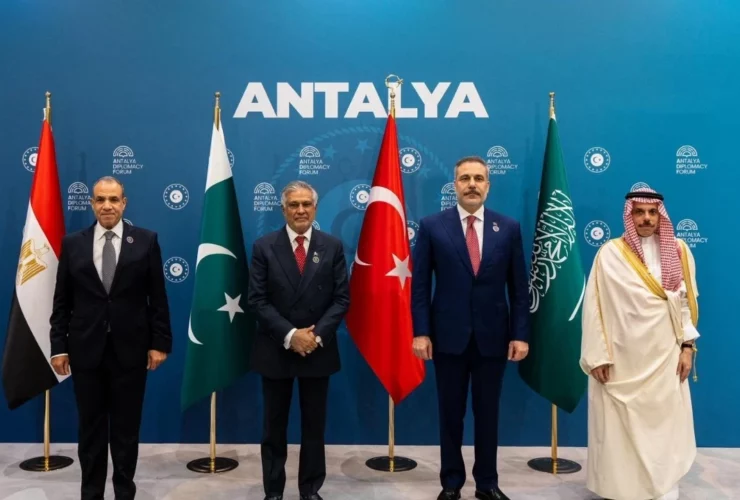
A few years ago, even the most optimistic observers would not have dared to imagine the Middle East, or the Islamic world at large, witnessing an alliance between its traditional or central powers. This was simply because those powers were embroiled in varying degrees of dispute and rivalry. The rivalry between Egypt and Türkiye was stark and overt following the ...
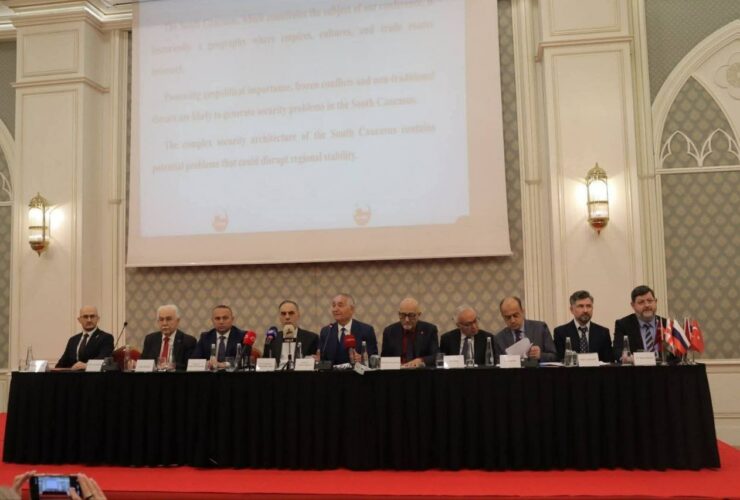
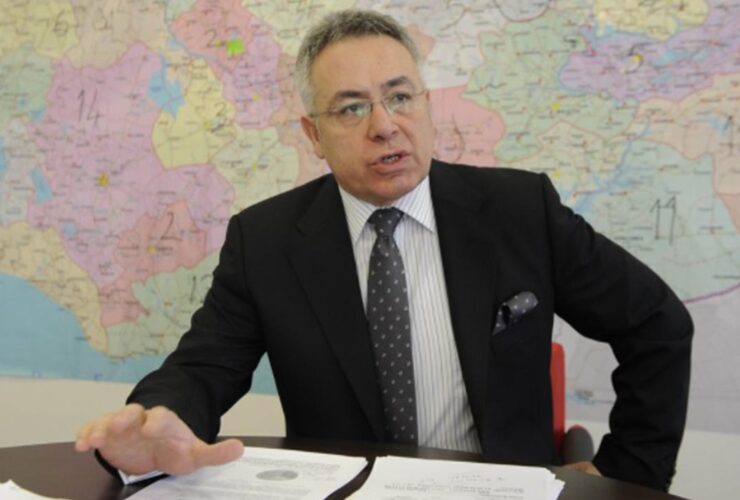
The Security Conference on the South Caucasus, organized by the National Strategy Center (USMER), has concluded. The international conference—which addressed topics such as the historical role of the Türkiye, Russia, and Iran trio alongside Azerbaijan, Armenia, and Georgia, as well as regional developments, historical processes, and the energy crisis—was successfully completed with the participation of numerous ambassadors, economic, and political ...
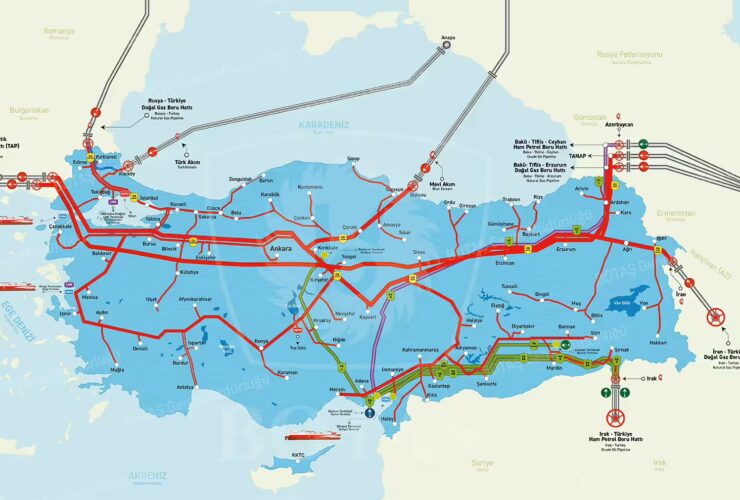
By Doğan Akdeniz The crisis that began in the Strait of Hormuz on February 28, 2026, has gone far beyond a conventional regional tension, creating a systemic rupture for the global economy. The disruption of a critical choke point that carries roughly one-fifth of the world’s oil supply and two-thirds of global liquefied natural gas (LNG) trade represents a manifestation ...
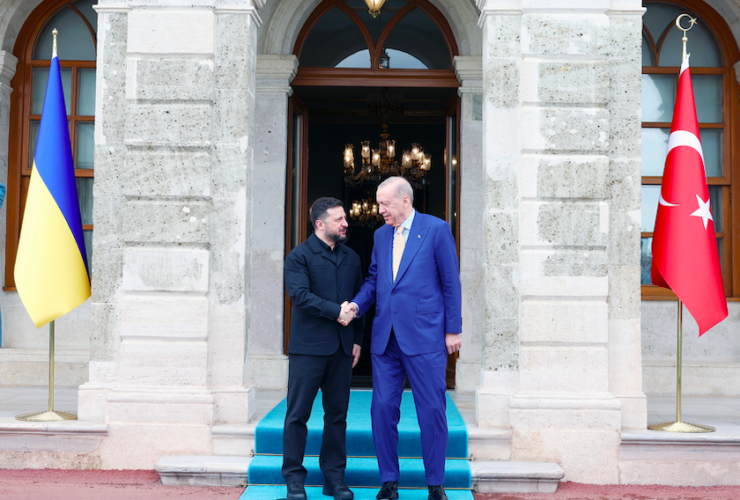
Last week, Türkiye’s political agenda remained intense. A meeting between President Recep Tayyip Erdoğan and his Ukrainian counterpart Volodymyr Zelenskyy stood at the top of the agenda. Secondly, Foreign Minister Hakan Fidan participated in a meeting in Damascus attended by Syrian President al-Sharaa and Zelenskyy. Meanwhile, statements by the Ministry of National Defense regarding NATO were also among the prominent ...
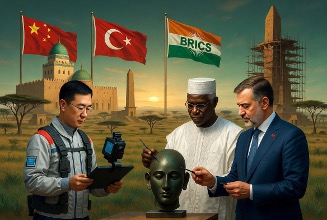
One of the most devastating actions of European colonialism towards Africa was the physical removal of cultural heritage from the continent. During the 1897 British Punitive Expedition, the palace of the Kingdom of Benin was looted, and more than 3,000 bronze and ivory artifacts were taken to London. Today, approximately one thousand of these works are in the British Museum, ...
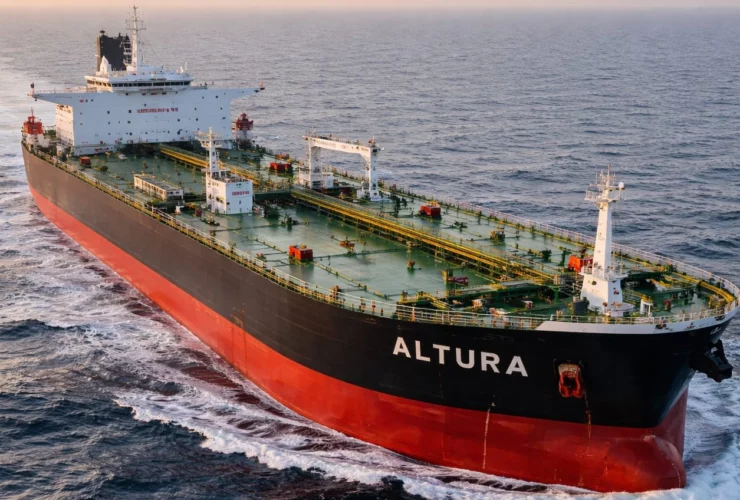
On March 26, a Turkish-operated oil tanker named Altura was attacked in the Black Sea. Türkiye’s Minister of Transport and Infrastructure Abdulkadir Uraloğlu made a statement, saying “A foreign-flagged ship operated by a Turkish company, which had loaded crude oil from Russia, reported an explosion in its engine room after midnight to our emergency call center. We believe that the ...