

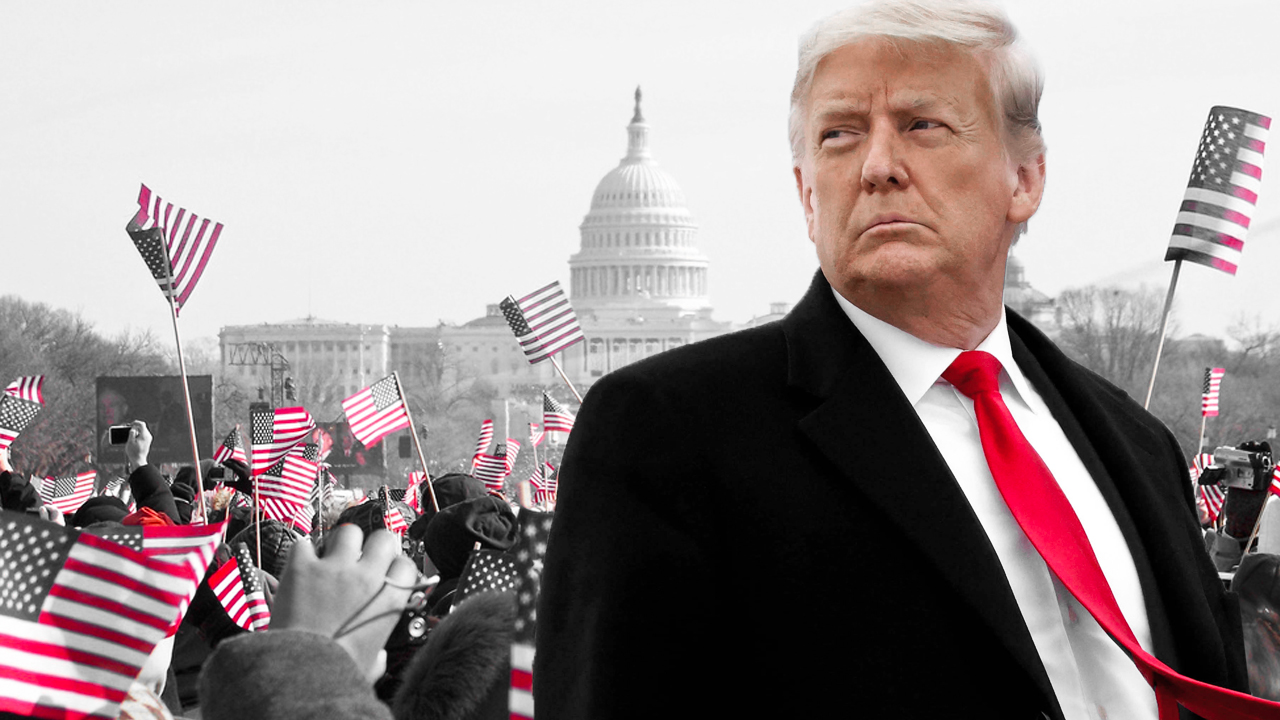
Regime change in Teheran or in Washington? Though Washington declared regime change in Iran as one of its goals, many see more the change of regime in the U.S. capital. While the US-Israeli war against Iran is on a halt fragile halt due to ceasefire questions, this question arises from an interview we conducted with Jon B. Alterman, Senior Vice ...
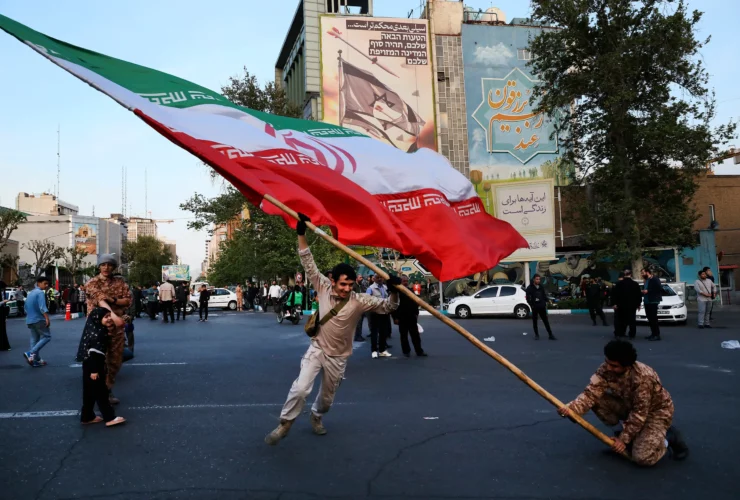
By Adem Kılıç, Political Scientist The talks held in Islamabad under Pakistan’s mediation were, in fact, less a ceasefire negotiation and more of a probing process in which both sides gauged each other’s intentions.The topics discussed, aside from the Strait of Hormuz, were no different from those in the Geneva talks prior to the war. This naturally led to the ...
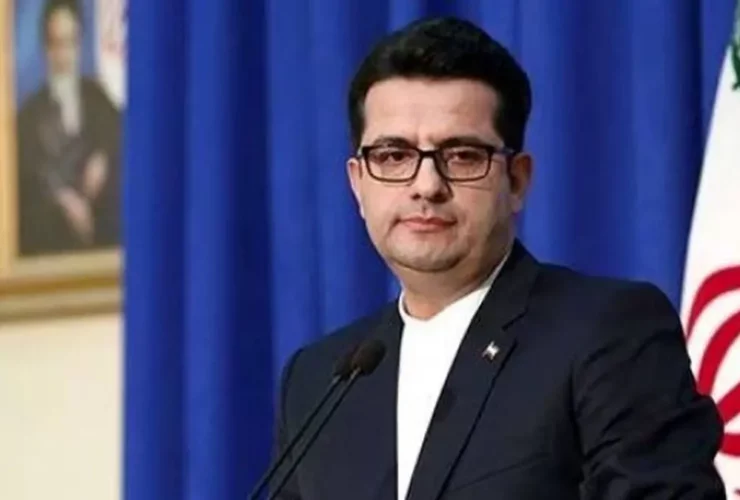
By Azar Mahdavan, from Tehran / Iran After 40 days of all-out war and reaching a ceasefire position, we witnessed inconclusive negotiations between the Iranian and American sides in Islamabad, the capital of Pakistan. Although regional countries and Pakistani officials are trying to continue the talks, from the experts’ point of view, the main factor behind the deadlock in the ...
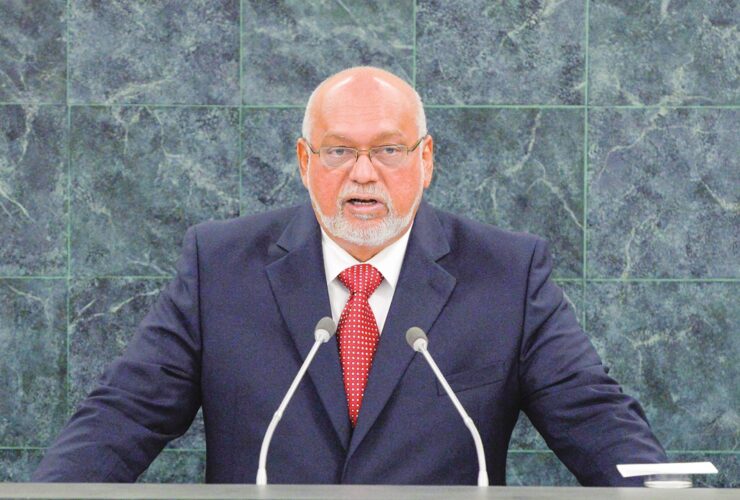
The Executive Intelligence Review (EIR) organized an online forum on March 2, 2026, titled “Epstein and the Bottomless Depravity of the Elites – Urgent Need for a Cultural Renaissance!”. Donald Ramotar, former president of Guyana, held a speech here. Below is the text of his speech. Thank you very much. The February 28th unprovoked attack by the United States and ...
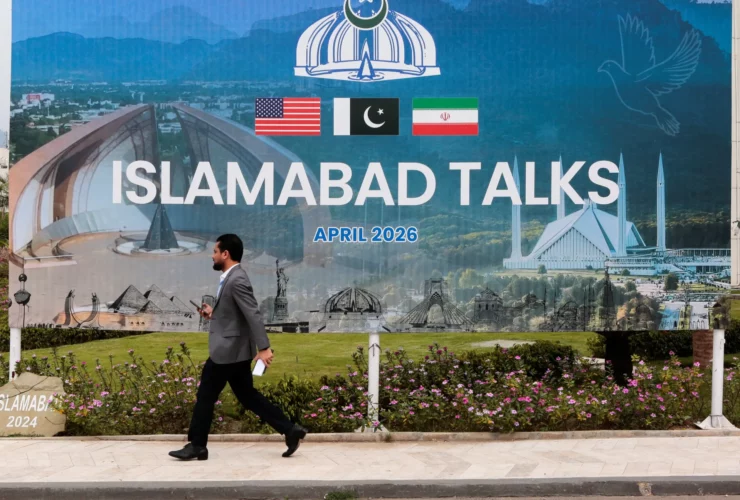
As expected, the talks between Iran and the US failed to produce any results. Ahead of the negotiations, Iranian Vice President Mohammed Reza Aref had drawn attention to Israel’s influence over the US, stating: “If we negotiate in Islamabad with representatives of ‘America First,’ an agreement beneficial to both sides and the world is probable. However, if we face representatives ...
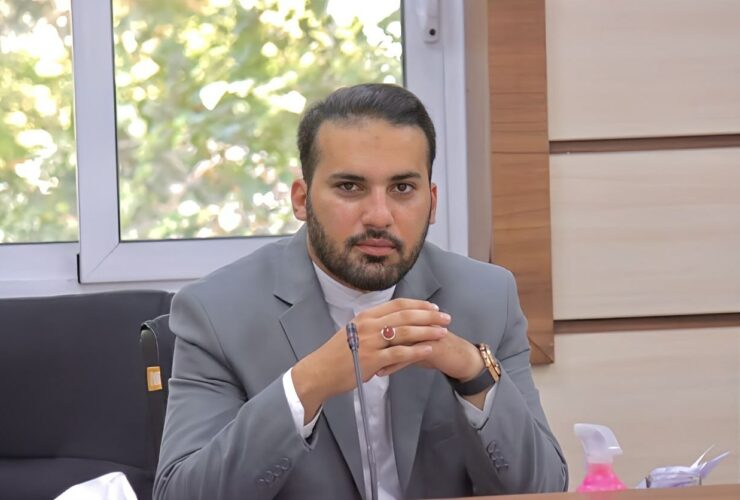
By Özgür Altınbaş Iranian political analyst and author Peiman Salehi commented on the ceasefire and Iran’s strategic gains. According to Salehi, the process initiated by the US and Israel with the goal of overthrowing the Iranian leadership failed due to Tehran’s asymmetric warfare model and its moves regarding the Strait of Hormuz. Salehi stated that Iran shifted the war from ...
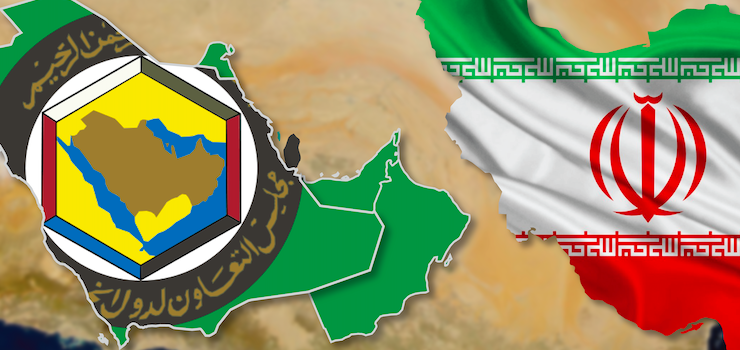
By Mohammad Reza Moradi, General Director of Mehr News Agency’s Foreign Languages and International News Department, from Tehran / Iran With the beginning of the US and Israeli attack on Iran, we are also witnessing changes in Iran’s view toward the Arab countries of the Persian Gulf Cooperation Council. The alignment of some of these countries with the aggressor nations ...
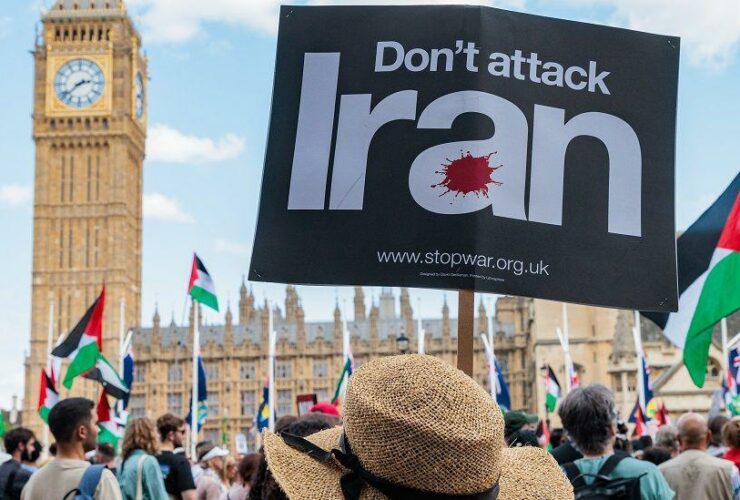
Over the past month, leading British think tanks—including the Royal United Services Institute (RUSI), Chatham House, the International Institute for Strategic Studies (IISS), and the Foreign Policy Centre—have converged on a strikingly sober assessment of the evolving US–Iran war. Their analyses, published in March–April 2026, reject narratives of decisive victory and instead describe a conflict reshaping the Middle East, straining ...
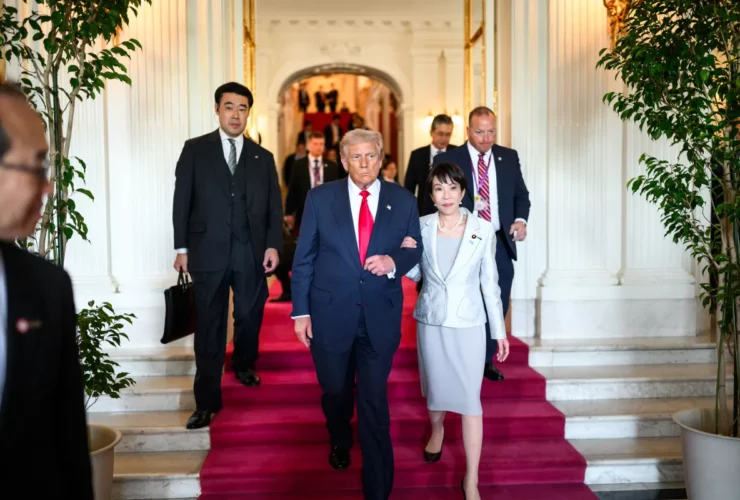
By Ayumu Oyama, Shiso-Undo, April On February 28, the U.S. and Israel launched a large-scale attack on Iran, killing numerous members of the regime’s leadership—including Supreme Leader Ayatollah Khamenei—and senior officials of the Islamic Revolutionary Guard Corps. The casualties included civilians; in Minab in the south, more than 175 elementary school students were killed in the bombing. The scale of ...
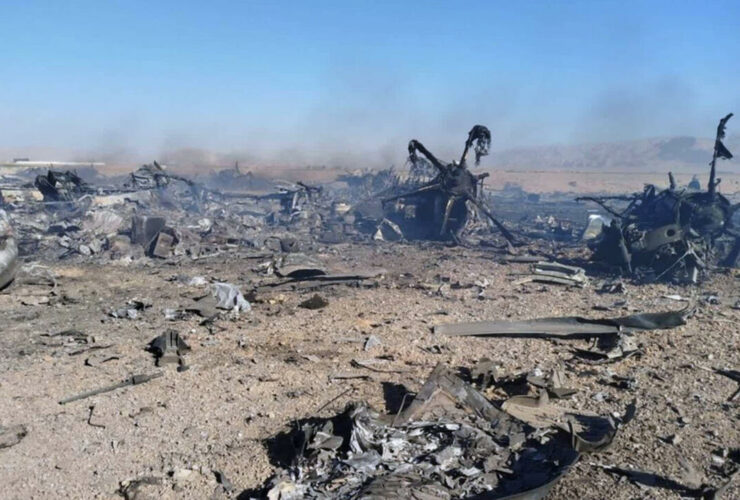
The announcement of a two-week temporary ceasefire agreement, negotiated on the evening of April 7, 2026, under Pakistan’s mediation in the ongoing military conflict between the United States and the Islamic Republic of Iran—which began in February 2026 and has lasted approximately forty days—and described by both sides as a “victory,” is regarded in the international relations literature as an ...
By Namit Verma, Author and security analyst The Executive Intelligence Review (EIR) organized an online forum on March 2, 2026, titled “Epstein and the Bottomless Depravity of the Elites – Urgent Need for a Cultural Renaissance!” Namit Verma, author and security analyst, gave a presentation at the forum. Below is the speech of Verma. The title was set by UWI. ...
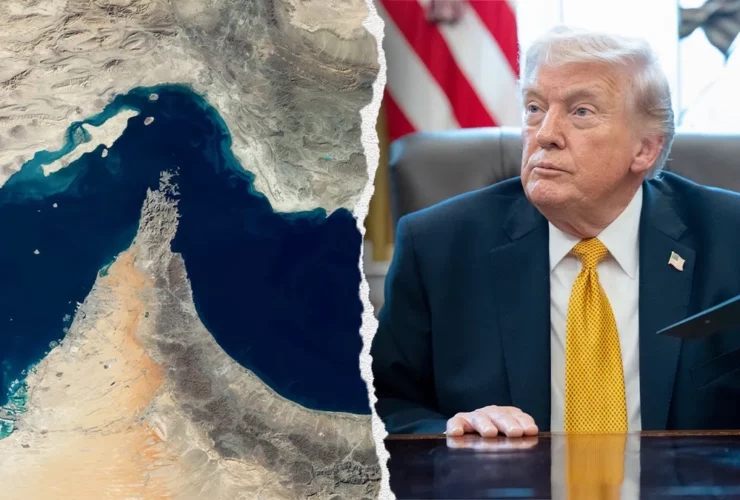
By Adem Kılıç, Political Scientist After the past 37 days, the U.S.-Israel-Iran conflict has moved beyond the battlefields and evolved into a phase that directly targets the resilience of nations. The harsh tone evident in U.S. President Donald Trump’s latest statements makes it clear that the conflict has moved beyond military targets, with the intention of systematically striking Iran’s energy ...