

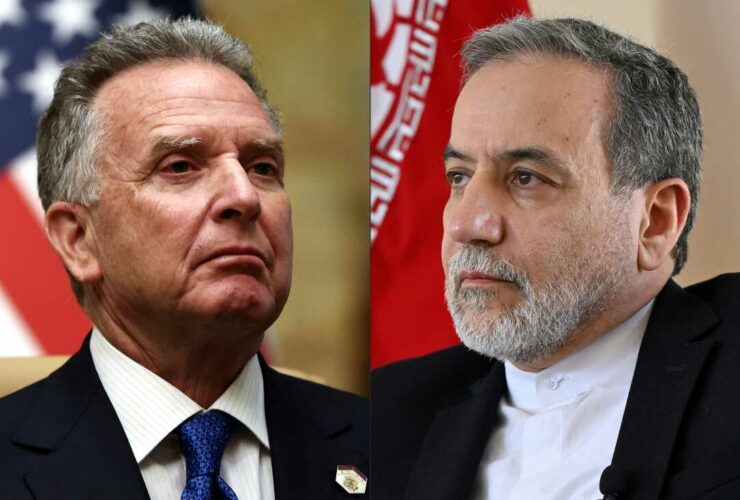
The war, which began with the US-Israeli attack on Iran on February 28, 2026, is currently in a period of ceasefire. What follows remains highly uncertain. A process full of fluctuations and contradictions continues to unfold. What is certain, however, we are at a stage to be able to grasp what has happened so far and draw some conclusions. The ...
The American empire seems to be sinking deeper into a quagmire of war with Iran, with only bad options on the horizon. Donald Trump is now being urged to resolve this disaster as quickly as possible. Perhaps the decisive factor is that the war has begun to strain the lives of Americans. Once again, the lesson of “economy, stupid” resurfaces, ...
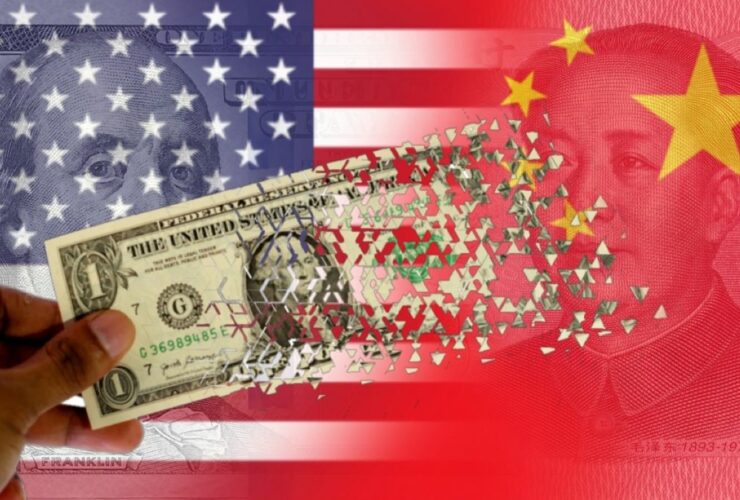
By Serhat Latifoğlu The threat by US Treasury Secretary Scott Bessent by sending letters to 2 Chinese banks threatening sanctions if Iranian money found is a manifestation of the US’ military desperation and defeat. It is already evident that sanctions to be imposed on China will prove futile, much like those imposed on Russia. The most concrete proof of this ...
UWI author and political scientist Onur Sinan Güzaltan gave a presentation on the consequences of the Iran/US-Israel war and possible future developments at a conference titled “Energy and the Global Economy: Its Significance and Impact in the Aftermath of the Ukrainian and Middle East Crises” organized by the Russian House International Relations Club in Mumbai, India. We present Güzaltan’s speech ...
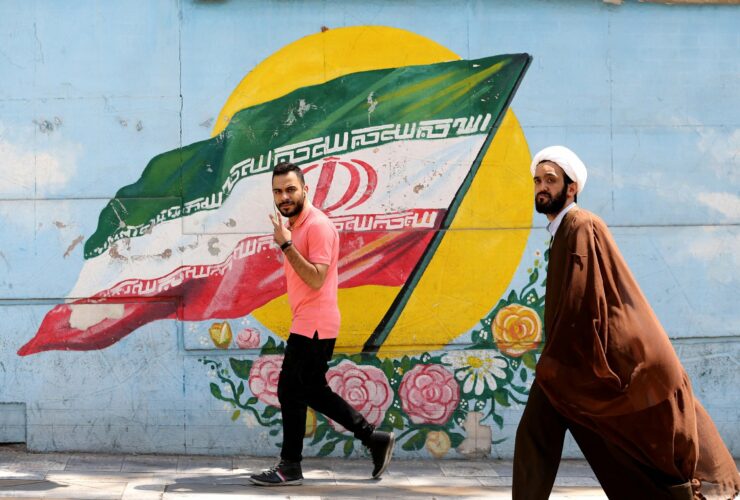
The war, which began with the US-Israeli attack on Iran on February 28, 2026, is currently in a period of ceasefire. What follows remains highly uncertain. A process full of fluctuations and contradictions continues to unfold. What is certain, however, we are at a stage to be able to grasp what has happened so far and draw some conclusions. The ...
The Turkish Psychologists Association (TPD) has exposed the blatant double standards of the European Federation of Psychologists’ Associations (EFPA). While the EFPA cites “political neutrality” regarding Israel’s military aggression in the Middle East, its previous expulsion of Russia over the Ukraine conflict reveals a deeply rooted selective morality within Western-centric scientific institutions. As the humanitarian crisis in the Middle East ...
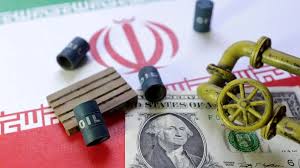
By Serhat Latifoğlu US President Roosevelt and Saudi King Abdulaziz laid the foundations of the petrodollar system on February 14, 1945, during their meeting aboard the USS Quincy. It was based on a very powerful formula: oil and dollars in exchange for security. The US would provide military guarantees to the Gulf countries; in return, oil trade would be done ...
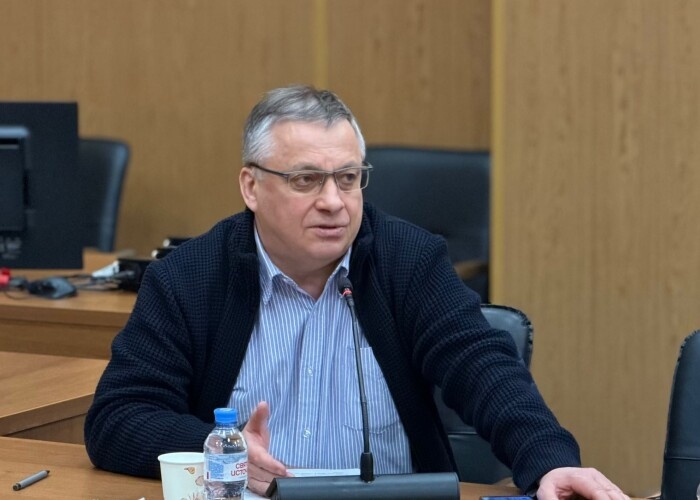
By Edvard Chesnokov, from Moscow / Russia Alexander Sharov is the head of RusIranExpo, a famous B2B-firm aimed at pushing trade between Moscow and Tehran. Having visited Iran hundreds of times, Mr. Sharov can be considered as an expert in the import-export dimension of trans-Caspian partnership. Exclusively to our website, he commented on the economic impact of the 2026 American/Israeli war ...

UWI author and political scientist Onur Sinan Güzaltan was guest on Türkiye’s Ulusal Kanal. The TV program covered the negotiation process between the US and Iran, the trajectory of the war and its outcomes to date, the power struggle within the US and its potential consequences, as well as the near-future projections for the Gulf countries and Europe. Welcome, Mr. ...
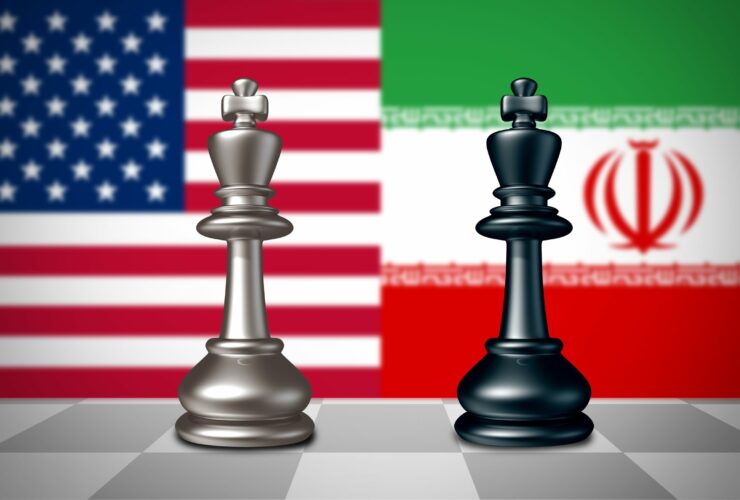
By Adem Kılıç, Political Scientist The tensions between the United States and Iran are unfolding not as a formally declared war in the classical sense, but rather through a hybrid conflict model. The parties are avoiding direct, large-scale military confrontation. Instead, by steering clear of what is militarily defined as “territorial dominance,” they continue to wear each other down through ...
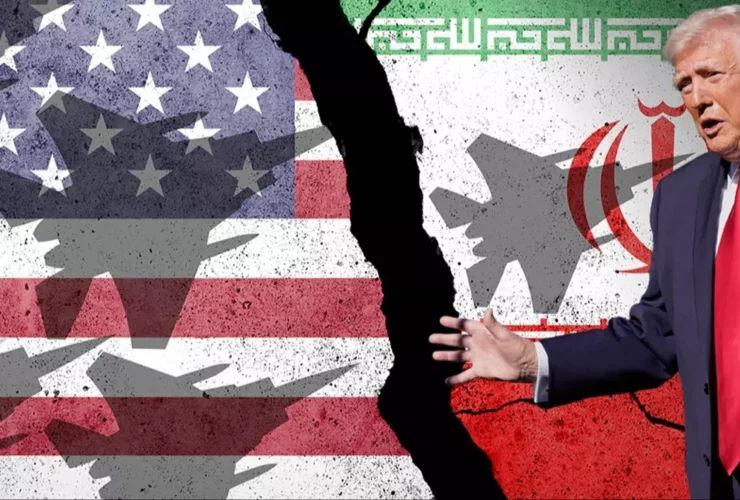
Now we are witnessing a new cycle of negotiation and escalation from Trump and his team. While Washington tightens its grip on Iranian oil export routes, ending a brief waiver that allowed oil shipments to pass through, and announcing that commercial vessels have changed course due to naval pressure, talk of resuming negotiations with Tehran has emerged. It now appears ...
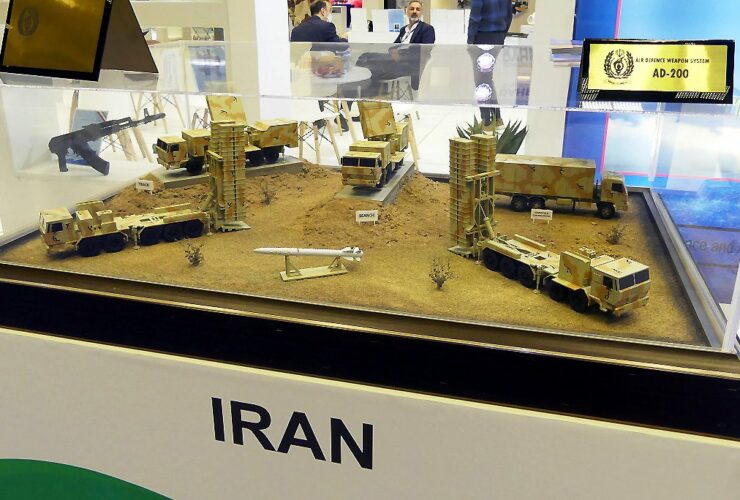
UWI author, historian and political scientist Associate Professor Mehmet Perinçek was guest on Radio Sputnik, to evaluate the impact of the US/Israel–Iran war on global balances. “The US has fallen behind where it started in Iran” Perinçek emphasized that the US has failed to achieve its objectives in the war militarily, economically, and strategically: “The US has achieved none of ...