


By Mehmet Enes Beşer
Renewable energy conversion and utilization in ASEAN represent an integral part of the transition to energy production and consumption systems of the future. Rising demands for electricity due to economic development, population growth, and urbanization lead to higher reliance on renewable energy in the region as the cornerstone of energy sustainability, energy security, and resilience. Still, the value of renewable energy in ASEAN can only be maximized through effective conversion and utilization of renewable energy in different sectors, which can differ dramatically depending on the country. Thus, the following discussion addresses different aspects of renewable energy conversion and utilization in ASEAN.
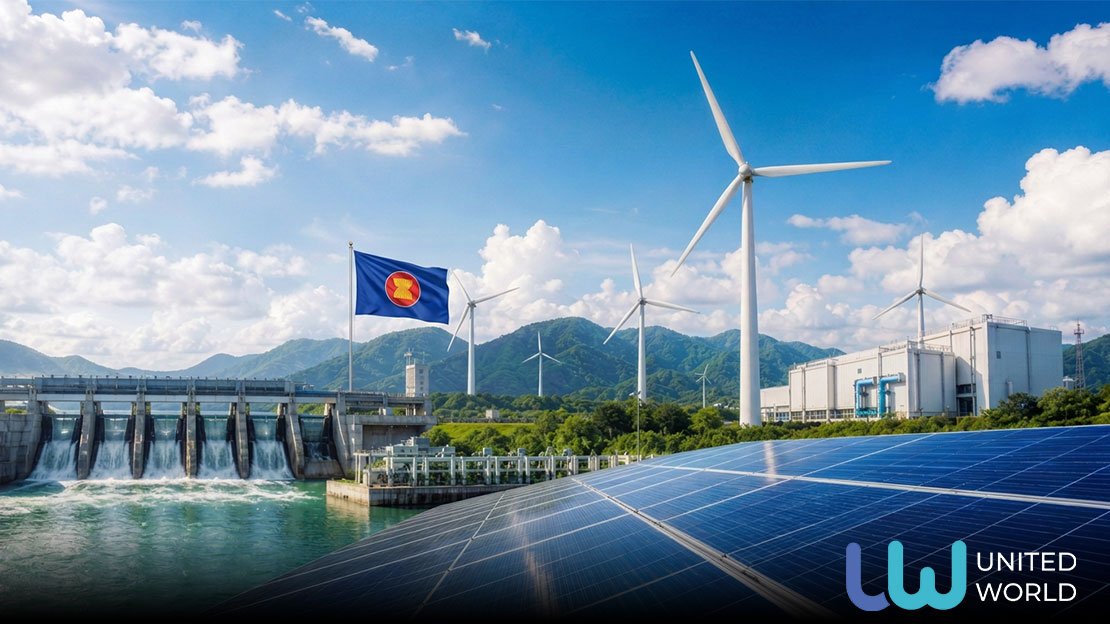
Solar energy can be considered the most widely available renewable energy source in the region. For example, Vietnam, Thailand, and the Philippines have already experienced rapid expansion in the installation of solar panels over the last decade. Vietnam, in particular, attracted foreign investments and introduced liberal feed-in tariffs to build over 16 GW of PV power within several years. Solar energy is generated as electricity in central solar parks and rooftop PV systems. The latter are mainly used in urban areas. Transmission losses and curtailments are common when it comes to solar energy integration into the national grid. Meanwhile, during grid development in Cambodia and Myanmar, off-grid and solar mini-grids were key drivers of rural electrification. Decentralized conversion technologies and utilization are crucial to deliver energy services to rural populations without intermediaries. Wind energy conversion is rather uneven in intensity across the region but gradually accelerates.
Wind energy conversion is the most prominent in Vietnam, which has the largest installed capacity of onshore and offshore wind parks thanks to the long coastline and favorable policies. Thailand and the Philippines have built wind farms in selected regions with considerable installed capacities. The efficiency of wind-to-electricity conversion has been steadily increasing with advancements in turbine technologies and control mechanisms. The main obstacles of wind energy utilization in the region are land competition and inappropriate locations with high-capacity factors. Intermittency, climate change impacts, and lack of adaptability make hydropower development policy- and geography-specific. Therefore, site investigations and grid connectivity are needed for successful projects. Hydropower represents the most developed and longest-standing renewable resource in the region.
Myanmar, Laos, and Vietnam have traditionally exploited hydraulic power based on dammed hydropower stations. Laos aims to become the “Battery of Southeast Asia” to export its excess hydropower to its neighbors, such as Thailand and Vietnam. Despite the advantages of providing firm and flexible electricity, hydropower also creates social and environmental issues, including deforestation, biodiversity loss, and resettlements. Climate change may affect hydropower reliability due to the shifts in precipitation and drought frequency, while other renewable sources and grid flexibility have comparative advantages. Bioenergy and biomass constitute two major domains of renewable energy utilization in developed countries pursuing agro-development.
The large amount of rice husks, palm oil residues, and sugarcane bagasse produced in agricultural activities in Thailand, Indonesia, and Malaysia can be used to generate power and heat from combustion or anaerobic digestion. Besides rural electrification, this facilitates the transition towards a circular economy. Biomass and bioenergy contribute to sustainable resource use; however, they depend on availability of feedstock, harvesting equipment, and risks of overharvesting leading to degradation of agricultural lands or forest ecosystems. Improved conversion technologies and burning mechanisms need to be deployed to mitigate air pollution. A significant proportion of geothermal resources is concentrated in Indonesia and the Philippines, which comprise the largest share of installed geothermal capacity worldwide. In volcanic regions of Indonesia and the Philippines, electricity can be generated from high-temperature geothermal fluids using steam turbines.
Geothermal exploitation demonstrates enormous potential in the region but faces high exploration and drilling costs, complicated regulatory requirements, and environmental hazards of drilling. In the rest of ASEAN countries, low-enthalpy geothermal resources are largely undeveloped. The interest grows in utilizing geothermal energy in the direct heating of agricultural facilities and industries. Renewable energy conversion affects end-use energy applications apart from electricity generation. For example, biofuels like ethanol and biodiesel are used as components of fuel mixes in transport sectors, with government policies supporting their development in Indonesia, Thailand, and the Philippines.
Problems regarding changes in land-use patterns, food security, and lifecycle greenhouse gas emissions have been raised in relation to second-generation biofuels and interaction between renewable power and electric transportation. Moreover, improved biomass stoves, biogas digesters, and solar thermal energy systems are applied in households for cooking and heating in peri-urban and rural areas with different rates of adoption depending on price and education. Policy coherence and infrastructure consistency are necessary prerequisites for efficient renewable energy conversion and utilization. Vietnam and Thailand are successful examples of grid systems and open regulatory frameworks, which enhance national efficiency in accessing renewable energy in power markets.
Myanmar and Cambodia encounter problems associated with fragmented planning, volatile tariffs, and limited financing capabilities that prevent their capacity to deploy renewable power. Regional initiatives, such as the ASEAN Power Grid and the ASEAN Plan of Action for Energy Cooperation, strive to standardize technical standards, facilitate cross-border electricity trade, and improve institutions for capacity building, although there is still much room for improvement. Digitalization and energy storage are gaining importance in enhancing the conversion-utilization ratio of renewables. The deployment of batteries, real-time monitoring, and smart grid technologies is piloted in the urban and industrial sectors in Malaysia, Singapore, and Thailand. They are crucial in managing renewable supply irregularities, peak loads, and facilitating peer-to-peer energy trading and urban energy system integration.
The transition of ASEAN to renewable energy will likely succeed not only because of installed capacity and political commitment but also because of the efficiency and inclusivity of renewable energy conversion and utilization. Given mature technologies and existing institutional arrangement, ASEAN seems poised to undergo revolutionary transformations in energy production, transmission, and consumption, making renewable energy transition a socio-economic phenomenon.