


By Azar Mahdavan, from Tehran / Iran
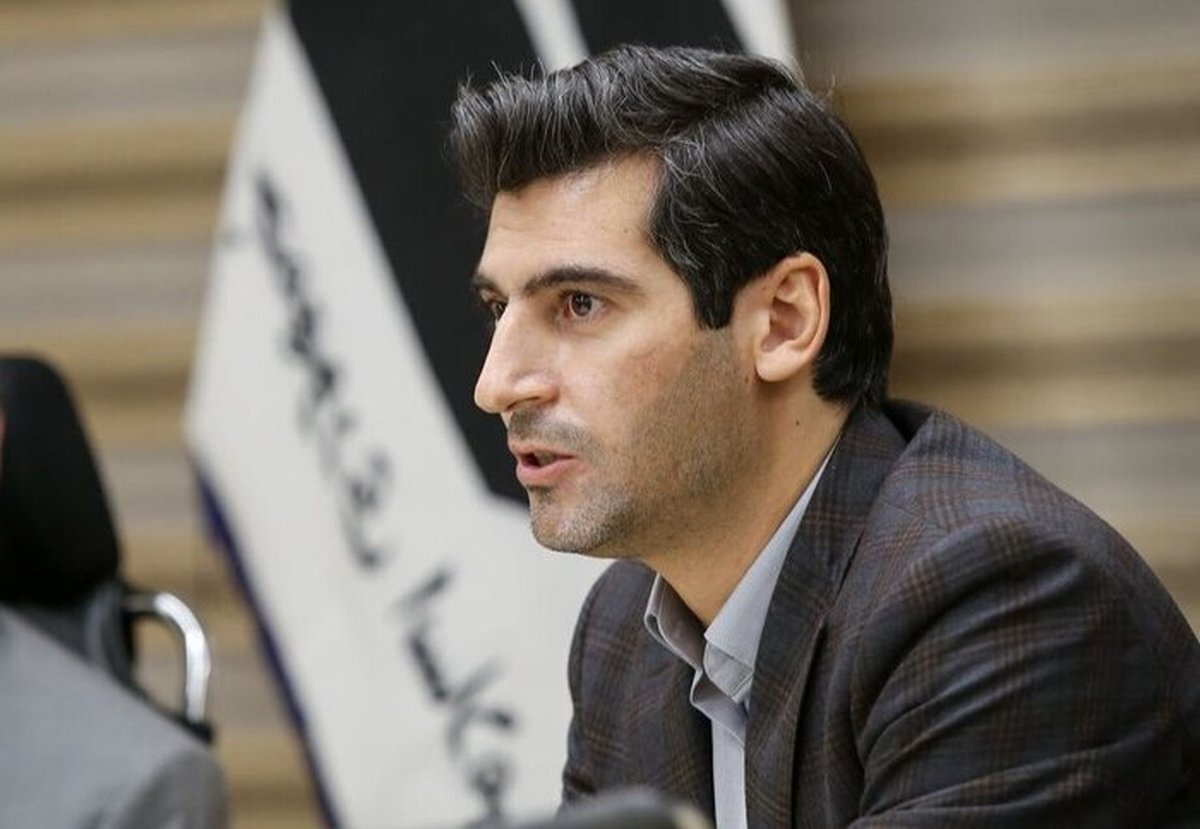
In recent years, alongside the intensification of tensions in the international system, the position of Russia and China in Iran’s security and strategic calculations has drawn greater attention from public opinion than ever before. Some speak of a “strategic partnership” and even a protective “umbrella” provided by Moscow and Beijing, while others warn against exaggerating such expectations. In this context, and to examine Russia’s approach to a potential war involving Iran, the United States, and Israel, we conducted an interview with Dr. Shoaib Bahman, an expert on Russian affairs and an academic.
Given the “strategic partnership agreement” between Iran and Russia, does this agreement—legally and in practice—entail any kind of security commitment or support in wartime conditions, or is it defined more as political and economic cooperation?
The comprehensive strategic cooperation document between Iran and Russia has various dimensions and components and covers a range of headings, one of which is security, defense, and military cooperation. However, these forms of cooperation do not essentially create any security commitment or mutual support in wartime. In fact, there is nothing in this document comparable to NATO’s “Article 5,” under which, if one member becomes involved in a war, other members are obliged to provide military support. What is defined in the defense and security sphere is reciprocal cooperation. Moreover, Iran historically did not have a direct presence in the Ukraine war, such that one would now expect Russia to intervene directly in a potential war by the United States and Israel against Iran.
During the 40-day war, why did Russia’s support remain largely at the diplomatic level and not turn into overt military support or active deterrence? Should this behavior be attributed to Russia’s structural constraints, or to a deliberate choice in Moscow’s foreign policy? And is such an expectation from Russia logical given the nature of Tehran–Moscow relations?
Iran–Russia relations in the military sphere have long been extensive and significant. Russia was for years among Iran’s most important arms suppliers, and at least over the past decade Iran has also been recognized as an arms exporter to Russia. There are several main reasons why these ties did not translate into overt military support or active deterrence. First, Iran fundamentally did not need military assistance from any foreign country—including Russia—and did not request it; it should not be forgotten that a substantial part of Iran’s defensive capabilities is indigenous.
In addition, one must take into account Russia’s considerations in its relations with Arab countries, Israel, and the United States. Russia acts on the basis of its national interests, and conditions are such that it is not going to go to war with Israel or the United States on Iran’s behalf, nor vice versa. Therefore, expecting overt and direct military support is not realistic. At the same time, it should be noted that the military dimensions of countries’ defense cooperation are not necessarily publicized. From this perspective, some form of behind-the-scenes cooperation between Iran and Russia certainly existed—and will continue to exist—both during the war and afterward.
From the standpoint of Iranian public opinion, there was an expectation of a more pronounced Russian military backing. Is such an expectation consistent with the real nature of Iran–Russia relations in the international system, or does it stem from a misunderstanding of the concept of “strategic partnership”?
If Iran–Russia relations are defined within the framework of a “strategic partnership,” it is natural for public opinion to expect stronger military support. But the reality is that Iran–Russia relations at present cannot be interpreted within the framework of a strategic partnership, and such an assumption does not align with the existing situation. The two countries have very close relations in various fields, and their views are aligned on many regional and international issues, but this does not amount to a strategic partnership. The current nature of relations still falls short of that level.
As a result, what Russia did for Iran during the war can, from a realistic standpoint, be evaluated as entirely positive. Russia provided the greatest possible political and moral support to Iran and, by vetoing anti-Iran resolutions at the UN Security Council, prevented the formation of the global consensus Washington sought against Tehran. In other words, the Russians acted even beyond the level of expectations typically associated with bilateral relations.
It is said that Russia and China are the biggest winners of a U.S. and Israeli war against Iran, and therefore they do not make serious practical efforts to reduce tensions. How accurate is this claim? Did a war against Iran strengthen or weaken Moscow and Beijing’s positions on the international stage?
There is no doubt that this war has brought many benefits and opportunities for Russia and China. Both countries are pleased that the United States has become mired in a new quagmire and has been forced to expend a significant portion of its equipment and military capacity. At the same time, the Russians benefited from higher energy prices and from avenues to circumvent their own oil sanctions. Moreover, the U.S. shift of focus away from areas surrounding these two powers—Ukraine for Russia and East Asia for China—has brought them considerable advantages.
However, this does not mean they want these tensions to continue over the long term. For Moscow and Beijing, preserving an independent and powerful Iran is far more valuable, because they are well aware that if the United States succeeds in Iran, it will move against them more easily in subsequent stages. In the realm of mediation, it should also be noted that the United States fundamentally does not accept mediation by China or Russia, because it does not want to grant such an advantage to its main rivals—allowing them to appear as saviors in Iran’s crisis.
How should Putin’s trip to China—amid renewed tensions against Iran and exactly one week after Trump’s visit to Beijing—be interpreted within the framework of great-power competition, especially considering that Abbas Araghchi also met and consulted with Chinese officials one week before Trump’s trip to Beijing?
Relations among Iran, Russia, and China have always been important, and the timing of these visits under wartime regional conditions is meaningful. One of the principal aims of U.S. foreign policy in recent years has been to disrupt relations among these three countries, because Washington understands well that the stronger the bonds among these three powers become, the more the United States’ hegemonic position in the international system will be weakened.
Nevertheless, Trump did not achieve a specific, significant result regarding Iran during his trip to China. He tried to persuade the Chinese to halt or reduce their purchases of Iranian oil and also to align with the United States on the issue of security in the Strait of Hormuz, but Beijing explicitly rejected these requests, stating that it would neither stop buying Iranian oil nor support anti-Iran resolutions at the UN Security Council. It appears that Russia and China are well aware of the dangers of U.S. excessive demands and unilateralism, and this has created the groundwork for closer relations between them and Iran.